NVIDIA Voyager Project Explained
8 min read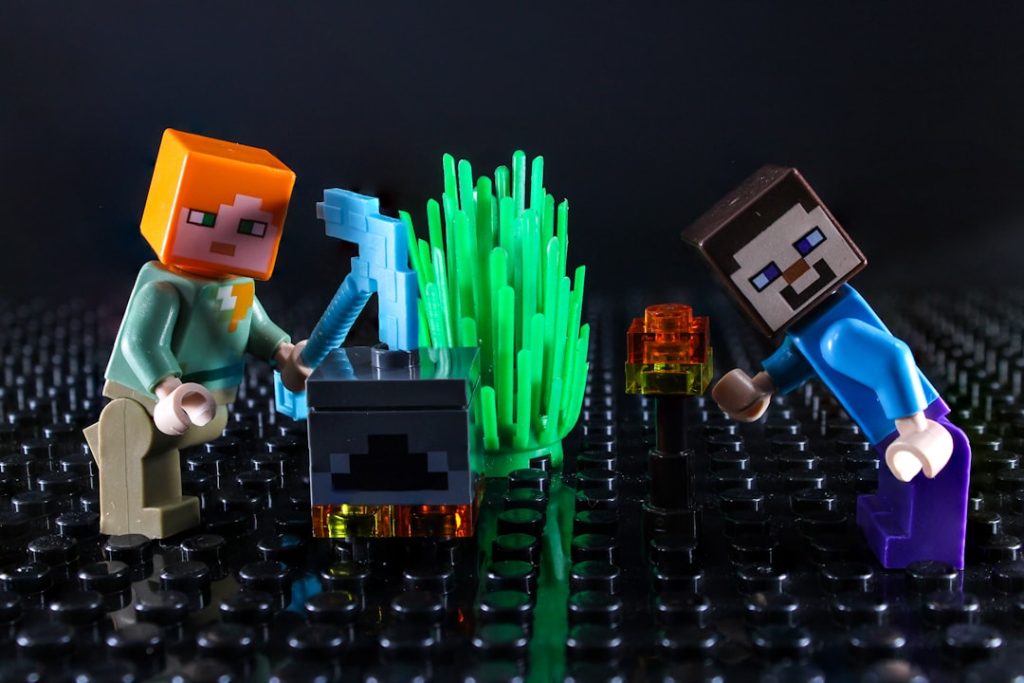
Imagine a tiny explorer dropped into a giant blocky world. It has no map. It has no teacher holding its hand. It only has a smart language brain, a bag of tricks, and a big wish to learn. That is the fun idea behind NVIDIA Voyager, an AI project that learned to play Minecraft in a very unusual way.
TLDR: NVIDIA Voyager is an AI agent that learns by exploring Minecraft on its own. It uses a large language model to make plans, write code, fix mistakes, and build a growing library of skills. Instead of being trained in the normal “repeat this until it works” way, it keeps trying new goals and learning from them. Think of it as a curious robot kid in a sandbox world.
What Is NVIDIA Voyager?
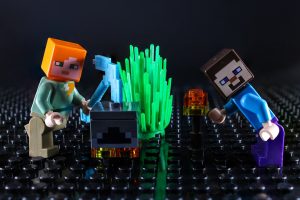
Voyager is a research project from NVIDIA that shows how an AI agent can learn open-ended tasks. The test world is Minecraft. That is a smart choice. Minecraft is simple to look at, but very deep. You can dig, build, craft, fight, cook, farm, explore caves, and get lost in five seconds.
Most game AIs are trained to do one thing. Win a match. Drive a car. Beat a level. Voyager is different. It is not just trying to score points. It is trying to learn skills. Then it uses those skills later. Like a human player would.
For example, it may learn how to collect wood. Later, it uses that skill to make tools. Then it mines stone. Then it makes better tools. Then it searches for iron. Each new skill becomes a stepping stone.
Why Minecraft?
Minecraft is like a giant Lego planet with rules. It is easy to understand. But it has many possible actions. This makes it a great playground for AI research.
In Minecraft, the AI must deal with many questions:
- Where should I go?
- What should I collect?
- Which tool do I need?
- How do I craft this item?
- Is that monster going to ruin my day?
These may sound simple. But for AI, they are hard. The world changes. The agent does not always know what is nearby. It must plan. It must react. It must correct itself.
That is why Voyager is exciting. It shows a way for AI to be more flexible. Not just smart in a lab. Smart in a messy world.
The Big Idea
The big idea is this: use a large language model as the brain of an agent.
A large language model, or LLM, is the kind of AI that can understand and write text. It can explain things. It can make plans. It can write code. Voyager uses this type of model to decide what to do next.
But Voyager does not directly press buttons like a human player. Instead, it writes small programs. These programs control the Minecraft character. So the AI says something like, “I need to collect wood.” Then it writes code to help the character find and chop trees.
If the code fails, Voyager asks, “What went wrong?” Then it tries to fix the code. That is the cool part. It can debug itself.
Voyager Has Three Main Parts
Voyager works with three key systems. Think of them as three friends on an adventure.
- The planner: It picks the next goal.
- The coder: It writes actions as code.
- The skill library: It stores useful tricks for later.
Each part matters. Together, they help Voyager become better over time.
1. The Planner Picks Goals
The planner is like the voice that says, “Let’s do this next.” It chooses goals that are not too easy and not too hard. This is called an automatic curriculum.
A human teacher might say, “First learn wood. Then learn stone. Then learn iron.” Voyager creates this learning path for itself. That is powerful.
It does not need a person to list every lesson. It explores. It finds new things. It picks goals based on what it already knows.
This makes Voyager feel more like a curious player. It tries to expand its world. It wants to discover more items and craft more tools.
2. The Coder Writes Programs
Voyager uses the language model to write code. That code tells the Minecraft bot what to do. For example, code can help it move toward a tree, mine a block, or craft an item.
Writing code is useful because code can be reused. It is also easier to check. If the bot fails, Voyager can look at the error. Then it can change the code and try again.
This is like a kid building a paper airplane. It flies badly. The kid folds it again. Then it flies a little better. Voyager does that with code.
3. The Skill Library Saves Knowledge
The skill library is the memory box. When Voyager learns a useful action, it saves it. Later, it can pull that skill out and use it again.
For example, once it learns how to craft a stone pickaxe, it does not need to invent that plan again. It saves the skill. Then it can focus on harder tasks.
This is very important. Without memory, the AI would be like someone who forgets how to tie shoes every morning. Funny, but not very useful.
How Is Voyager Different From Normal AI Training?
Many AI systems learn through reinforcement learning. That means the AI gets rewards and punishments. It tries many actions. Good actions get rewarded. Bad actions do not.
This can work well. But it often needs huge amounts of training. It can also get stuck. If the reward is too simple, the AI may learn weird tricks. It may become great at one small thing and bad at everything else.
Voyager takes a different route. It uses an LLM to reason. It plans in words. It writes code. It saves skills.
That makes it more like a person using knowledge. If you know how to make a wooden pickaxe, you can explain it. You can use that skill again. You can combine it with other skills.
Voyager is not perfect. But it points to a very interesting future.
A Simple Example
Let’s walk through a tiny adventure.
Voyager enters a new Minecraft world. It looks around. It sees trees. The planner says, “Collect wood.” The coder writes a small program to move to a tree and chop it.
The bot tries. Maybe it gets stuck behind a block. The system notices failure. The language model adjusts the plan. It may write better code for movement.
Now it gets wood. Great. The skill is saved.
Next goal: craft planks. Then craft a crafting table. Then craft sticks. Then craft a wooden pickaxe. Each success unlocks more choices.
After a while, Voyager can mine stone. Then coal. Then iron. The world gets bigger. The tasks get richer. The skill library grows.
That is the magic loop:
- Pick a goal.
- Try to solve it.
- Fix mistakes.
- Save the skill.
- Use it later.
Why People Got Excited
Voyager did better than many older approaches in Minecraft exploration. It discovered more items. It learned more skills. It explored more of the tech tree.
The tech tree is the path of items and tools you unlock. In Minecraft, you usually start with wood. Then stone. Then iron. Then better materials. Reaching more of that tree means the agent is getting more capable.
People got excited because Voyager looked less like a narrow game bot. It looked more like an early version of a general helper. One that can explore, learn, and reuse knowledge.
That matters far beyond Minecraft.
What Could This Mean Outside Games?
Minecraft is not the final goal. It is the training playground. The real question is bigger.
Can AI agents learn to do useful tasks in messy digital worlds?
For example, future agents could help with:
- Writing and testing software.
- Using apps and websites.
- Running simulations.
- Controlling robots.
- Planning complex workflows.
The same pattern could be useful. Make a plan. Write actions. Test them. Fix errors. Save useful skills. Build from simple tasks to harder ones.
That is why Voyager is more than a Minecraft trick. It is a hint. It shows how language models can become active learners.

Does Voyager Really Understand?
This is a tricky question. Voyager can do smart things. But that does not mean it understands the world like a human does.
It does not have feelings. It does not get proud after crafting a sword. It does not scream when a creeper appears. At least, not emotionally.
But it can use text reasoning and code to solve problems. It can handle feedback. It can improve its behavior. That is a useful kind of intelligence.
So the best answer is simple: Voyager does not understand like a person, but it acts in ways that look more adaptive than older bots.
What Are Its Limits?
Voyager is impressive. But it has limits.
- It depends on a strong language model.
- It can write bad code.
- It may fail in strange situations.
- It needs feedback to know what happened.
- It works in Minecraft, which is simpler than real life.
Real life is much harder. A robot in a kitchen must deal with water, glass, heat, pets, and gravity being rude. Minecraft blocks are much friendlier.
Still, simple worlds help researchers test ideas. You do not start learning to swim in a stormy ocean. You start in a pool.
Why NVIDIA Cares
NVIDIA is famous for GPUs. These are chips that power games, graphics, AI training, and huge data centers. But NVIDIA also does major AI research.
Projects like Voyager help explore the future of AI agents. An AI agent is not just a chatbot. It can take actions. It can use tools. It can interact with an environment.
This is a big direction in AI. Many people believe future AI systems will be tool users. They will plan tasks. They will call software. They will build things step by step.
Voyager is one example of that future. It shows how an agent with language, code, memory, and goals can keep learning.
Think of Voyager Like a Backpacker
Here is a fun way to picture it.
Voyager is a tiny backpacker in a block world. Its backpack is the skill library. Its travel guide is the language model. Its notebook is the code it writes. Its compass is the planner.
At first, it is clueless. Then it learns. It remembers. It gets braver. It goes farther.
That is why the name Voyager fits so well. It is not just playing. It is traveling through knowledge.
The Main Takeaway
NVIDIA Voyager is important because it mixes several powerful ideas in a simple-looking setting. It uses a language model to plan. It uses code to act. It uses feedback to improve. It uses memory to grow.
This makes it different from many older AI systems. It is less like a trained trick pony. It is more like a curious apprentice.
The project does not mean we have human-like AI. Not yet. But it does show a path toward agents that can learn more openly. They can explore. They can build skills. They can reuse what they know.
And if that starts in Minecraft, that is kind of perfect. After all, Minecraft is a world about turning small blocks into big ideas.