Creative Marketing Ideas Using Trackable QR Codes
9 min read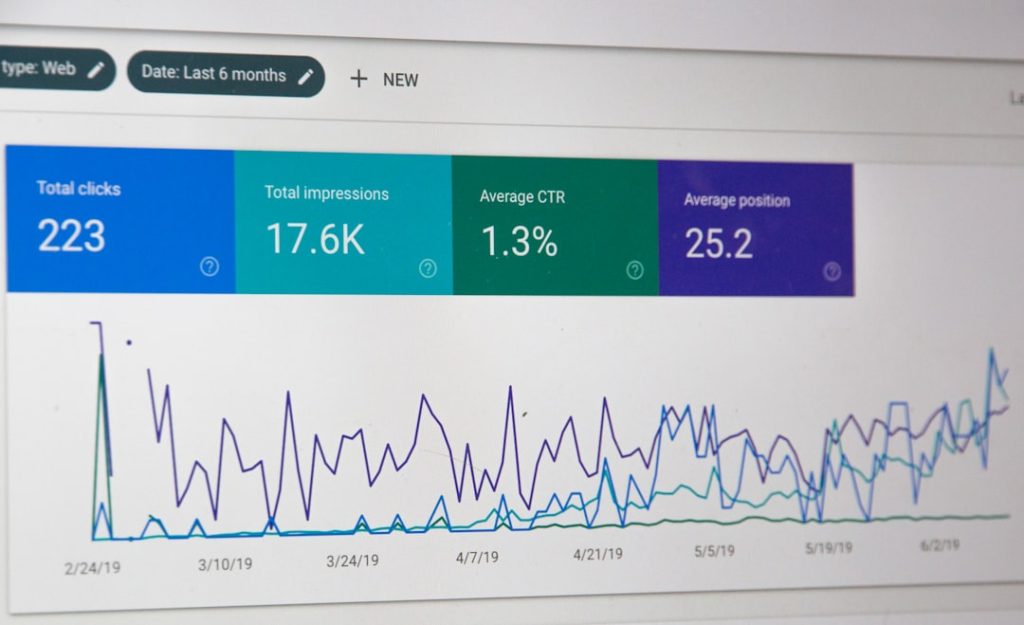
Trackable QR codes have moved far beyond simple shortcuts to websites. Used well, they become a disciplined marketing tool that connects physical touchpoints to measurable digital experiences. For organizations that invest in print, events, packaging, signage, direct mail, or local campaigns, QR codes can reveal which placements generate attention, engagement, and revenue. The key is to treat every code as part of a planned customer journey, not as a decorative add-on.
TLDR: Trackable QR codes help marketers measure engagement from offline materials, events, packaging, and local promotions. The best campaigns use clear calls to action, mobile-friendly landing pages, and analytics to identify what works. Creative applications include smart packaging, direct mail, loyalty programs, event networking, product education, and location-based offers. To build trust, always explain the value of scanning and protect user privacy.
Why Trackable QR Codes Deserve Serious Attention
A standard QR code can send someone to a webpage, but a trackable QR code adds the ability to measure performance. Depending on the platform and setup, marketers may be able to see scan volume, location, device type, time of scan, campaign source, and conversion behavior after the scan. This transforms a printed asset from a static expense into a measurable channel.
In a marketing environment where budgets are scrutinized, this matters. A poster, flyer, business card, brochure, product label, or trade show banner can now be evaluated with data. Instead of asking whether print “probably helped,” teams can compare scan rates, test messages, and improve campaigns with evidence.
Credible QR marketing is not about novelty. It is about reducing friction and increasing accountability. The most effective campaigns give people a strong reason to scan, then deliver a relevant page that loads quickly, looks professional, and supports the next action.
Core Principles Before You Get Creative
Before exploring campaign ideas, it is important to establish a few practical rules. Creative execution without structure often produces low scans and unreliable data.
- Use a specific call to action: “Scan to get the installation guide” is stronger than “Scan me.”
- Send users to a mobile-optimized destination: Most scans happen on phones, so the experience must be fast and readable.
- Track each placement separately: Use different codes for a window sign, brochure, product insert, and event banner.
- Offer clear value: Discounts, tutorials, exclusive content, booking tools, warranty registration, or product comparisons all create reasons to scan.
- Respect privacy: If collecting data, registrations, or personal details, explain how the information is used.
QR codes should also be tested before production. Scan them on multiple devices, check them in different lighting conditions, and make sure the printed size is appropriate for the viewing distance. A code on a billboard has different requirements than one on a table tent.
1. Turn Product Packaging into a Measurable Media Channel
Packaging is one of the most underused marketing surfaces a business owns. A trackable QR code on a box, label, hang tag, or insert can direct customers to valuable post-purchase content. This may include setup instructions, care guides, recipe ideas, authentication pages, refill reminders, or product registration forms.
This approach is especially useful because the customer has already purchased. They are more likely to be receptive to education, cross-sells, subscriptions, and loyalty enrollment. For example, a skincare brand could place a QR code on its packaging that opens a personalized routine guide. A home appliance company could provide a video installation walkthrough. A food brand could send customers to recipes featuring the product.
For accurate measurement, use separate codes for different product lines, packaging formats, or regions. Over time, scan data can reveal which products generate the most post-purchase engagement and which content leads to repeat purchases.
2. Make Direct Mail Smarter and Easier to Measure
Direct mail can be powerful, but it is often criticized for limited attribution. Trackable QR codes help solve that problem. A postcard, catalog, letter, or coupon can include a personalized or campaign-specific code that leads to a landing page, booking form, quote request, or special offer.
The best direct mail QR campaigns connect the printed message and landing page seamlessly. If the mailer promotes a financing offer, the QR code should open a page that explains the offer and allows the user to take the next step immediately. If the mailer is designed for appointment bookings, the scan should lead directly to a scheduling page rather than a generic homepage.
Creative options include:
- Neighborhood-specific landing pages for local service businesses.
- Limited-time offers with countdown messaging.
- Personalized codes for customer reactivation campaigns.
- QR coupons that can be redeemed in store or online.
- Catalog codes that lead to curated product collections.
By comparing scan rates across addresses, audience segments, designs, and offers, marketers can improve future mailings and reduce waste.
3. Improve Trade Show and Event Engagement
Events are full of brief interactions. People collect brochures, attend presentations, scan badges, and move quickly between booths. Trackable QR codes help turn these moments into measurable follow-up opportunities.
A booth can use separate QR codes for product demos, case studies, pricing requests, newsletter signups, and meeting bookings. Staff can point attendees to the most relevant code based on the conversation. This creates a cleaner experience than handing everyone the same brochure and hoping they remember the discussion later.
For conferences, QR codes can also be used on speaker slides, attendee badges, sponsor signage, table displays, and session handouts. A speaker might include a code that gives access to a research report or slide summary. A sponsor could provide a code for a private consultation request. Event organizers can track which sessions or sponsor locations generated the highest engagement.
The serious advantage is speed. A person who is interested can take action immediately, while the context is still fresh.
4. Create Interactive Print Advertising
Print advertisements in magazines, newspapers, transit stations, and local publications can become interactive with trackable QR codes. Instead of asking readers to remember a web address, the ad can invite them to scan for a calculator, video, offer, buyer’s guide, or comparison tool.
This is especially valuable for considered purchases. Financial services, real estate, education, healthcare, home improvement, and business services often require more information before conversion. A QR code can move readers from awareness to research in seconds.
However, the call to action must be concrete. “Scan to learn more” is acceptable but weak. More persuasive examples include “Scan to estimate your monthly savings,” “Scan to view available floor plans,” or “Scan to download the 2026 compliance checklist.” These messages communicate a practical benefit and make the scan feel worthwhile.
5. Support Local Storefront and In-Store Campaigns
Retail locations, restaurants, clinics, gyms, and service offices can use trackable QR codes to measure interest at specific physical points. Window decals, shelf talkers, table tents, counter cards, dressing room signs, and receipts can all guide customers toward useful actions.
For example, a restaurant may use one QR code for its menu, another for joining a loyalty program, and another for leaving feedback. A retail store could place codes near product displays that open styling tips, size guides, or customer reviews. A clinic could use codes on waiting room materials to help patients access preparation instructions or service information.
The ability to distinguish one placement from another is important. If a code near the checkout counter gets more loyalty signups than a code on the front door, that insight can guide future placement decisions.
6. Build Trust with Product Transparency
Modern customers often want to know more about what they are buying. Trackable QR codes can support transparency by linking to sourcing information, certifications, safety data, ingredient explanations, sustainability reports, lab results, or manufacturing details.
This is useful in industries where trust is central: food, supplements, cosmetics, agriculture, healthcare, construction materials, and professional equipment. A QR code can help a company provide detailed information without overcrowding the package or printed material.
When using QR codes for transparency, the landing page should be clear, factual, and easy to verify. Avoid vague claims. Provide dates, documentation, certification references, and contact information where appropriate. Serious customers will appreciate detail and consistency.
7. Use QR Codes for Loyalty and Retention
Acquiring a customer is often more expensive than retaining one. Trackable QR codes can help encourage repeat engagement by making loyalty enrollment and redemption easier. Codes can appear on receipts, packaging inserts, thank-you cards, delivery slips, or post-service materials.
A strong loyalty campaign might invite customers to scan for points, register a purchase, unlock a member benefit, or access a referral reward. Service businesses can use post-appointment cards that ask customers to scan for maintenance reminders, review links, or future booking incentives.
For retention campaigns, timing matters. A QR code included in a delivery package can promote replenishment at the right moment. A code on a seasonal postcard can bring back past customers with a relevant offer. Tracking helps identify which incentives create actual repeat behavior rather than one-time curiosity.
8. Add QR Codes to Educational and Sales Materials
Sales teams often rely on printed brochures, one-pagers, samples, and proposal packets. Trackable QR codes can make these materials more useful and more measurable. A brochure can link to a product configurator. A proposal can include a code that opens a project timeline, testimonial video, or secure document portal. A sample kit can direct prospects to technical specifications and ordering instructions.
This approach is especially effective in business-to-business marketing. Prospects may share printed materials internally, and a QR code gives additional decision-makers a simple path to deeper information. Tracking can also help sales teams understand which accounts or materials are generating engagement after a meeting.
9. Run A/B Tests in the Physical World
One of the strongest benefits of trackable QR codes is the ability to test offline creative. Marketers can print two versions of a flyer with different headlines, offers, designs, or calls to action. Each version receives its own QR code. Scan and conversion data can then show which version performed better.
This method can be applied to posters, menus, inserts, event signage, mailers, and packaging. The learning does not need to be complicated. Even simple tests can answer practical questions: Does a discount outperform a free guide? Does a short message outperform a detailed one? Does a QR code placed near the headline get more scans than one placed near the bottom?
Over time, these insights create a more disciplined marketing process. Instead of relying on preference or assumption, teams develop a record of what their audience actually does.
Measurement: What to Track Beyond Scans
Scan count is useful, but it is only the beginning. A campaign with many scans but few conversions may have a weak landing page or an unclear offer. A campaign with fewer scans but strong leads may be more valuable.
Important metrics include:
- Scan rate: The number of scans compared with estimated impressions or distribution volume.
- Unique users: A better indicator of reach than total scans alone.
- Location and time: Useful for understanding context and campaign timing.
- Landing page engagement: Bounce rate, time on page, clicks, downloads, or form starts.
- Conversion rate: The percentage of scanners who complete the desired action.
- Revenue or lead quality: The real business outcome, where it can be measured responsibly.
For reliable reporting, name campaigns consistently and document where each QR code appears. A simple spreadsheet or campaign management system can prevent confusion later.
Risk Management and Professional Standards
Because QR codes are easy to create, they are also easy to misuse. Professional marketers should pay attention to security, accuracy, and user confidence. Never send users to suspicious, cluttered, or unrelated pages. If a code appears on long-lasting materials, consider using a dynamic QR code that allows the destination to be updated if needed.
It is also wise to brand the surrounding design clearly. People are more likely to scan when they understand who is behind the code and what they will receive. In sensitive environments, such as healthcare, finance, or education, provide plain-language explanations and avoid collecting unnecessary information.
Trust is built when the scan delivers exactly what the printed message promised.
Conclusion
Trackable QR codes are a practical bridge between physical marketing and digital measurement. They can strengthen packaging, direct mail, events, storefronts, print advertising, sales materials, loyalty programs, and transparency campaigns. Their value comes not from the code itself, but from the strategy behind it: a relevant offer, a clear call to action, a mobile-friendly destination, and disciplined tracking.
For serious marketers, the opportunity is significant. Every brochure, label, sign, or package can become a measurable entry point into the customer journey. When QR codes are planned carefully and used responsibly, they help organizations create more useful customer experiences while making offline marketing easier to evaluate and improve.