VPN Apps That Protect Your Data While Streaming, Working, Or Browsing
5 min read
Whether you’re binge-watching your favorite series, answering work emails from a café, or simply scrolling through social media at home, your personal data is constantly in motion. Every click, stream, and download creates digital footprints that can be tracked, intercepted, or even exploited. That’s where VPN apps step in—offering a powerful layer of protection that keeps your activity private and secure across devices and networks.
TL;DR: VPN apps encrypt your internet connection, keeping your data safe while streaming, working remotely, or browsing online. They hide your IP address, protect you on public Wi-Fi, and can even unlock geo-restricted content. The best VPNs combine strong security features, fast speeds, and user-friendly apps. Choosing the right VPN depends on your needs—whether it’s streaming quality, business security, or everyday privacy.
In today’s connected world, cybersecurity isn’t optional—it’s essential. Let’s explore how VPN apps work, why they matter, and which options stand out for protecting your data in every scenario.
What Is a VPN and How Does It Work?
A Virtual Private Network (VPN) is a tool that encrypts your internet connection and routes it through a secure server located elsewhere in the world. This process masks your real IP address and protects your data from hackers, internet service providers (ISPs), and even government surveillance in some cases.
Here’s what happens when you connect to a VPN:
- Encryption: Your data is scrambled into unreadable code.
- IP masking: Your real location is hidden behind the VPN server’s address.
- Secure tunneling: Your traffic travels through a protected digital pathway.

This combination ensures that even on an unsecured public Wi-Fi network, your sensitive information—like passwords, credit card details, and work documents—remains protected.
Why You Need a VPN for Streaming
Streaming platforms deliver different content depending on your geographic location. A VPN allows you to change your virtual location, unlocking access to shows and movies that may not be available in your region.
But it’s not only about access—security plays a major role too. When streaming:
- You may connect through public Wi-Fi networks.
- Your ISP can monitor and throttle your streaming speeds.
- Ad trackers may gather viewing behavior data.
A quality VPN prevents bandwidth throttling by hiding your activity from your ISP. The result? Smoother streams and uninterrupted binge sessions.
Key Features for Streaming VPNs
- High-speed servers
- Multiple global server locations
- Strong encryption (AES-256)
- No-logs policy
Why Remote Workers Should Always Use a VPN
Remote work has transformed how businesses operate—but it has also increased cybersecurity risks. Employees accessing company files from home or cafés are prime targets for cybercriminals.
A VPN adds an essential safety layer by:
- Securing file transfers
- Protecting video conferences
- Preventing data interception
- Maintaining client confidentiality
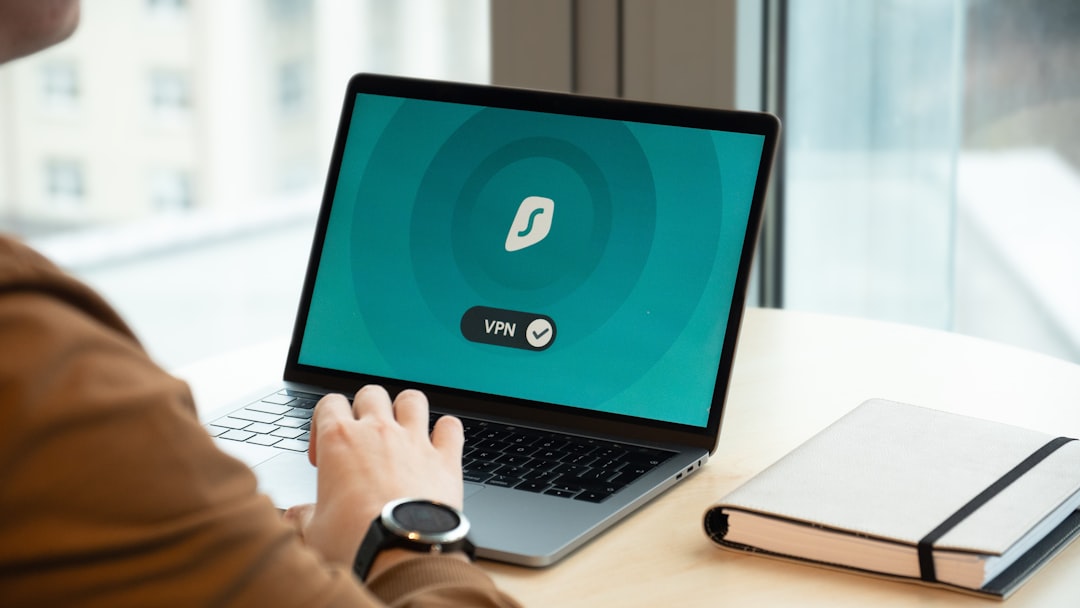
For businesses, many VPN providers offer dedicated business plans with centralized management, team controls, and advanced encryption protocols like OpenVPN and WireGuard.
Staying Safe While Browsing
Even casual browsing exposes you to privacy risks. Websites collect IP addresses, location data, and browsing habits. Some trackers follow you across platforms to build detailed user profiles.
A VPN limits this exposure by masking your digital identity. While it doesn’t replace antivirus software, it significantly enhances overall online privacy when combined with other cybersecurity best practices.
Everyday scenarios where a VPN makes a difference:
- Online shopping on public Wi-Fi
- Accessing banking apps while traveling
- Avoiding targeted ads
- Preventing ISP tracking
Top VPN Apps That Protect Your Data
Below are some of the most respected VPN apps known for balancing security, speed, and usability. Each serves slightly different needs depending on whether you’re streaming, working, or browsing.
1. ExpressVPN
- Ultra-fast servers in 90+ countries
- Strong encryption and TrustedServer technology
- Excellent for streaming platforms
- User-friendly across devices
2. NordVPN
- Advanced security features like Double VPN
- Threat protection against malware
- Great performance for streaming
- Large global server network
3. Surfshark
- Unlimited device connections
- Budget-friendly pricing
- Strong encryption and CleanWeb feature
- Reliable speeds for HD streaming
4. CyberGhost
- Dedicated servers for streaming and gaming
- Beginner-friendly interface
- Strong privacy policy
- Extensive server coverage
5. Proton VPN
- Strong focus on privacy and transparency
- Secure Core architecture
- Free plan available
- Ideal for privacy-conscious professionals
VPN Comparison Chart
| VPN Provider | Best For | Streaming Performance | Security Features | Simultaneous Connections |
|---|---|---|---|---|
| ExpressVPN | Fast streaming & travel | Excellent | AES-256, TrustedServer | 5-8 devices |
| NordVPN | Advanced security | Excellent | Double VPN, Threat Protection | 6 devices |
| Surfshark | Budget & families | Very Good | CleanWeb, AES-256 | Unlimited |
| CyberGhost | Beginners | Very Good | Dedicated streaming servers | 7 devices |
| Proton VPN | Privacy advocates | Good | Secure Core, open source apps | 10 devices (paid) |
What to Look for in a VPN App
Not all VPNs are created equal. Before choosing one, consider these critical factors:
- No-logs policy: Ensures your activity isn’t stored.
- Strong encryption: Look for AES-256 or equivalent.
- Kill switch: Disconnects internet if VPN drops.
- Speed performance: Essential for streaming and video calls.
- Multi-device compatibility: Works on phones, laptops, tablets, and routers.
Free VPNs can be tempting, but they often come with data limits, slower speeds, and potential privacy concerns. If privacy truly matters, investing in a reputable paid VPN is typically worth it.
Common Myths About VPNs
Myth 1: VPNs make you completely anonymous.
While VPNs improve privacy, they don’t make you invisible online. Websites can still use cookies and trackers.
Myth 2: VPNs drastically slow down your internet.
Premium VPNs have minimal speed reduction thanks to optimized servers.
Myth 3: Only tech experts need VPNs.
Modern VPN apps are designed for one-click simplicity, making them accessible for anyone.
The Future of VPN Technology
As cyber threats grow more sophisticated, VPN technology continues evolving. Many providers now integrate:
- Built-in malware protection
- Ad and tracker blocking
- Identity monitoring
- Split tunneling options
- Advanced protocols like WireGuard
With data breaches and surveillance concerns rising each year, VPN usage is quickly becoming standard practice rather than an optional extra.
Final Thoughts
Whether you’re streaming your favorite shows, handling confidential work projects, or simply browsing the web, your data deserves protection. VPN apps offer an accessible, affordable, and effective solution to safeguard your online presence.
By encrypting your connection, masking your IP address, and protecting you on unsecured networks, a reliable VPN acts as your digital shield. The key is choosing the right provider based on your specific needs—speed for streaming, security for business, or privacy for everyday browsing.
In an age where personal data has become a valuable currency, taking control of your online security is no longer optional. It’s a smart, proactive move toward safer digital living.