VITAC Services: Captioning and Accessibility Solutions
8 min read
In a media landscape shaped by streaming platforms, virtual meetings, live events, broadcast television, and on-demand learning, accessibility is no longer an optional feature. It is a core part of how organizations communicate with audiences, meet compliance requirements, and create inclusive experiences. VITAC services have become widely associated with captioning and accessibility solutions that help make spoken content understandable, searchable, and available to more people.
TLDR: VITAC provides captioning, transcription, subtitling, audio description, and related accessibility services for live and recorded content. These services support better access for people who are deaf, hard of hearing, multilingual, or watching in sound-sensitive environments. VITAC solutions are used across industries such as media, education, government, corporate communications, and live events. By combining human expertise with technology, VITAC helps organizations deliver more inclusive and compliant content.
What VITAC Services Are Designed to Do
At its core, VITAC helps transform audio and visual content into formats that more people can access. This usually begins with captions, which display spoken dialogue, sound effects, speaker identification, and other important audio information as text on screen. Captions are especially valuable for viewers who are deaf or hard of hearing, but they also benefit commuters watching videos without sound, students reviewing lectures, employees in noisy workplaces, and global audiences learning in a second language.
VITAC’s work extends beyond simple text on a screen. Accessibility solutions may include live captions for real-time events, offline captions for prerecorded videos, subtitles for translated content, transcripts for documentation, and audio description for blind or low-vision viewers. Together, these services help organizations meet both practical communication goals and legal accessibility standards.

Live Captioning for Real-Time Communication
One of the most important areas of VITAC’s services is live captioning. This is used for events and programs that happen in real time, such as television broadcasts, webinars, conferences, corporate meetings, city council sessions, university lectures, sports events, and emergency briefings. In these settings, speed and accuracy matter. The captioning must keep pace with speakers while still being readable, meaningful, and properly timed.
Live captioning is often produced by skilled captioners using specialized stenography or voice writing tools, sometimes supported by advanced speech technologies. The goal is not only to convert speech into text but to do so in a way that preserves context. A strong live captioning service must handle fast speakers, technical terms, multiple participants, background noise, audience reactions, and sudden topic changes.
For organizations, live captions make events more inclusive and professional. They also improve engagement, especially in virtual settings where audio quality may vary. When participants can read along, they are less likely to miss key points and more likely to remain focused.
Offline Captioning for Recorded Content
While live captioning focuses on immediacy, offline captioning is used for prerecorded videos. This includes training modules, streaming entertainment, educational videos, marketing content, documentaries, social media clips, and internal company communications. Because offline captions are prepared after the content is recorded, there is typically more opportunity for careful editing, formatting, timing, and quality control.
High-quality offline captions should be accurate, synchronized, and easy to read. They should identify speakers when needed, include meaningful sound cues such as [applause] or [music], and avoid cluttering the screen. This level of detail is particularly important for entertainment, education, and compliance-driven content.
Offline captioning also supports content discoverability. Search engines and internal platforms can often index text more easily than audio, which means captions and transcripts can make video content easier to find, reference, and repurpose.
Transcription Services and Searchable Content
Transcription is closely related to captioning, but it serves a slightly different purpose. A transcript is a written version of spoken content, often provided as a standalone document. Transcripts are useful for meetings, interviews, podcasts, lectures, legal proceedings, media archives, and training sessions.
VITAC-style transcription services can help organizations preserve information, improve recordkeeping, and support users who prefer reading over watching or listening. For example, a company may use transcripts from leadership meetings to create summaries, training materials, or internal knowledge base articles. A university may provide transcripts so students can review lectures, quote sources accurately, or study at their own pace.
Transcripts can also be paired with captions to create a more complete accessibility experience. Viewers can watch the video with captions, then use the transcript to revisit important details later.
Subtitling and Language Accessibility
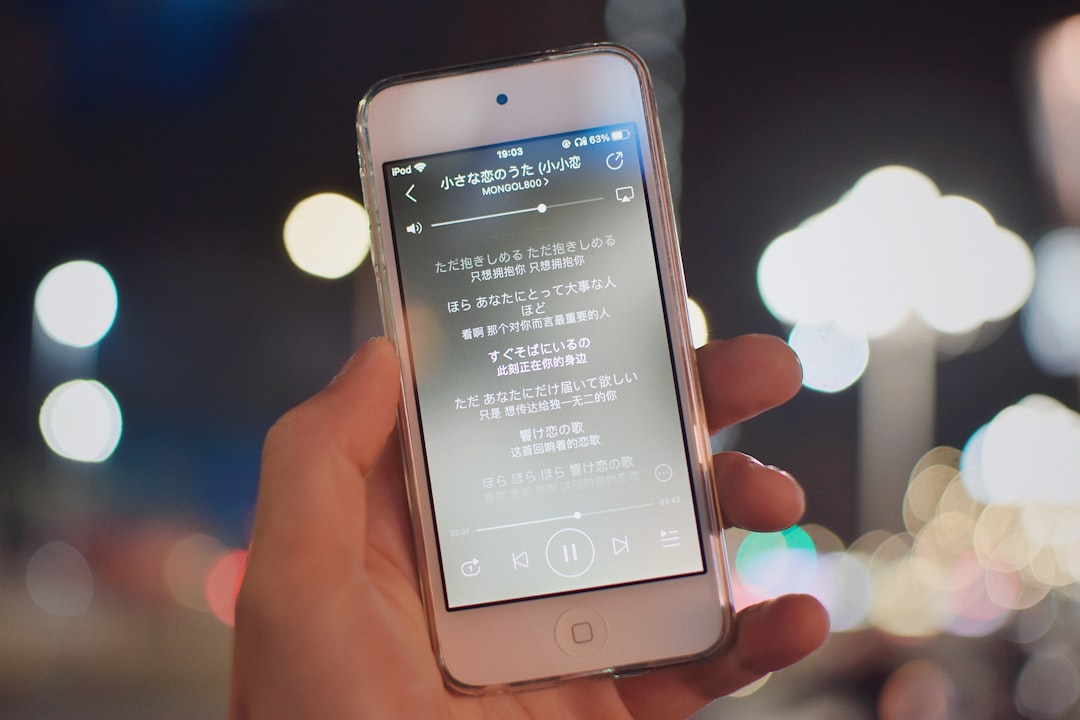
Although captions and subtitles are sometimes confused, they are not always the same. Captions generally include dialogue and relevant audio information for audiences who may not hear the soundtrack. Subtitles, on the other hand, are often used to translate spoken language for viewers who can hear the audio but do not understand the language being spoken.
VITAC services may include subtitling and translation workflows that help content reach international audiences. This is increasingly important as organizations publish video across global platforms. A training video created in English may need Spanish, French, German, or Japanese subtitles. A media company may need multilingual subtitles for streaming distribution. A public agency may need language access services to communicate essential information to diverse communities.
Effective subtitling is not simply word-for-word translation. It requires cultural awareness, timing, readability, and an understanding of how much text viewers can comfortably read on screen. Good subtitles feel natural, concise, and respectful of the original meaning.
Audio Description for Visual Accessibility
Another important accessibility solution is audio description. This service provides spoken narration of key visual elements for people who are blind or have low vision. Audio description may explain actions, facial expressions, settings, scene changes, on-screen text, costumes, graphics, or other visual details that are important to understanding the content.
For example, in a training video, audio description might describe a chart appearing on screen. In a film, it might narrate a character’s silent reaction or a crucial object shown briefly. In a museum video, it might describe artwork or historical images. The challenge is to add helpful narration without interfering with dialogue or important audio.
Audio description reflects a broader idea: accessibility is not only about words. It is about ensuring people can understand the full message, whether that message is spoken, written, visual, emotional, instructional, or interactive.
Industries That Benefit from VITAC Accessibility Solutions
Captioning and accessibility services are useful across a surprising range of fields. Any organization that communicates through audio or video can benefit from making that content more accessible, searchable, and user-friendly.
- Broadcast and streaming media: Television networks, streaming services, and production companies use captions, subtitles, and descriptions to serve broad audiences and meet distribution requirements.
- Education: Schools, universities, and online learning platforms use captions and transcripts to support students with disabilities, multilingual learners, and anyone reviewing course material.
- Corporate communications: Businesses use accessibility services for webinars, employee training, executive meetings, product demos, and public announcements.
- Government and public sector: Agencies use captions for meetings, emergency messages, public hearings, and civic information to ensure equal public access.
- Healthcare: Medical organizations use captions and transcripts for patient education, staff training, conferences, and telehealth-related resources.
- Live events: Conferences, panels, religious services, sports events, and cultural programs use live captions to improve inclusion and audience participation.
Accessibility, Compliance, and Trust
Many organizations seek captioning and accessibility services because they need to comply with laws, regulations, or platform standards. In the United States, requirements may relate to laws such as the Americans with Disabilities Act, the Rehabilitation Act, the Twenty-First Century Communications and Video Accessibility Act, or other federal and state accessibility rules. Other countries and regions have their own accessibility expectations and legal frameworks.
However, compliance is only one part of the story. Accessibility also builds trust. When audiences see that an organization provides captions, transcripts, subtitles, or audio description, they recognize a commitment to inclusion. This can strengthen a brand’s reputation, improve customer satisfaction, and reduce barriers for people who might otherwise be excluded.
Accessible communication also supports flexibility. A viewer may use captions because they are deaf, because they are in a loud airport, because they are watching late at night, or because they simply absorb information better by reading and listening at the same time. Accessibility features often become universal conveniences.
The Role of Technology and Human Expertise
Modern captioning and transcription increasingly involve a blend of human skill and technology. Automated speech recognition has improved significantly and can be useful for speed, scale, and initial drafts. Still, automated tools may struggle with accents, overlapping speakers, specialized vocabulary, poor audio, names, humor, and context.
This is where human expertise remains essential. Professional captioners, editors, describers, translators, and quality specialists can refine output, correct errors, and make judgment calls that software alone may miss. For mission-critical content, such as emergency communications, legal meetings, medical information, or broadcast programming, quality is especially important.
VITAC services are often valued because accessibility is not treated as an afterthought. It is a workflow involving preparation, delivery, review, platform compatibility, and audience needs.
What to Look for in a Captioning and Accessibility Partner
Organizations evaluating captioning providers should consider more than price alone. The right accessibility partner should offer reliable service, technical compatibility, and consistent quality. Important factors include:
- Accuracy: Captions and transcripts should reflect spoken content clearly and correctly.
- Turnaround time: Providers should support both urgent live needs and scheduled offline projects.
- Platform integration: Services should work with video platforms, meeting tools, broadcast systems, and learning management systems.
- Scalability: A provider should be able to handle everything from a single webinar to large media libraries.
- Security: Sensitive corporate, legal, healthcare, or government content requires careful handling.
- Accessibility knowledge: A strong provider understands not only text conversion but also the broader purpose of inclusive communication.
Why VITAC Services Matter Today
The demand for accessible content continues to grow. More people are watching video on more devices, in more environments, and in more languages than ever before. Remote work, online education, virtual events, and streaming entertainment have made captions and accessibility tools part of everyday life.
VITAC services matter because they help close the gap between content creation and content access. A speech becomes more inclusive when it is captioned. A training video becomes more useful when it has a transcript. A film becomes more available when it includes subtitles and audio description. A public meeting becomes more democratic when more people can follow what is being said in real time.
Captioning and accessibility solutions are not merely technical add-ons. They are part of clear communication, equal participation, and thoughtful design. For organizations that want to reach wider audiences, meet accessibility expectations, and create better user experiences, services like those offered by VITAC play a vital role in making media more open, understandable, and inclusive.