Voice Assistant Software That Helps You Control Devices And Apps Effortlessly
5 min read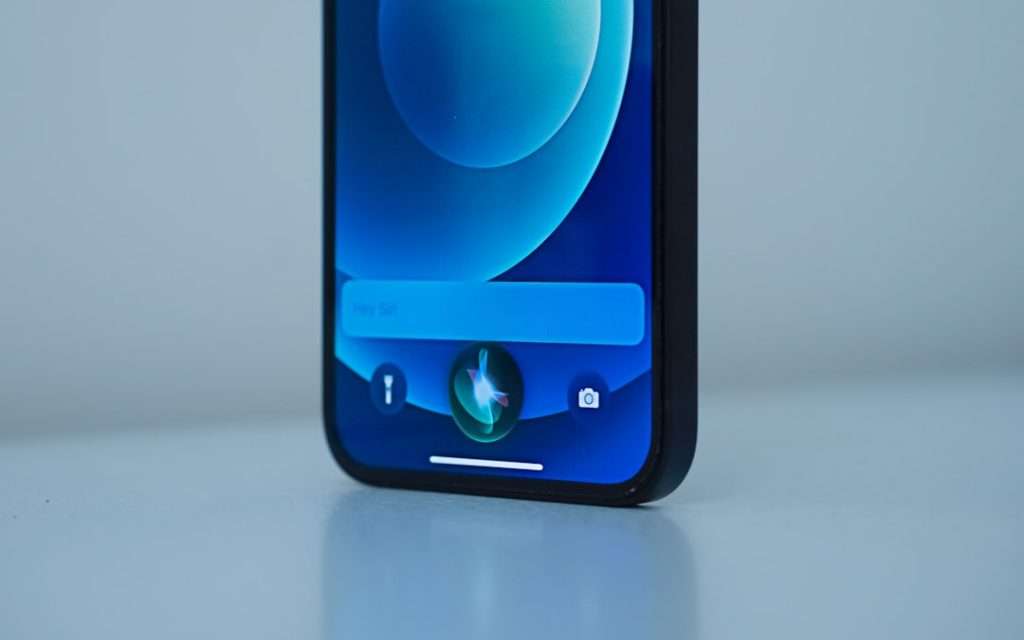
Imagine being able to dim your lights, reply to messages, start your coffee machine, and schedule meetings—all without lifting a finger. Voice assistant software has transformed the way we interact with technology, making it possible to control devices and applications effortlessly through simple voice commands. From smart homes to office productivity, voice-driven systems are becoming a central part of modern digital lifestyles.
TLDR: Voice assistant software allows users to control devices, apps, and services using natural voice commands. It improves convenience, accessibility, and productivity across homes, workplaces, and mobile environments. Popular platforms like Alexa, Google Assistant, Siri, and Cortana offer unique strengths depending on your ecosystem. As voice recognition technology advances, hands-free control is becoming faster, smarter, and more secure.
As artificial intelligence and natural language processing evolve, voice assistants are shifting from simple command-based tools to intelligent digital companions capable of learning habits and anticipating needs. Let’s explore how this technology works, what it can do, and which solutions stand out in today’s market.
How Voice Assistant Software Works
At its core, voice assistant software relies on several advanced technologies working together seamlessly:
- Speech Recognition: Converts spoken words into text.
- Natural Language Processing (NLP): Interprets intent and context.
- Machine Learning: Improves accuracy by learning from user behavior.
- Cloud Computing: Processes and stores large amounts of data quickly.
When you speak a command like “Turn off the living room lights,” the assistant captures your voice, converts it to text, interprets your intent, and sends a signal to the connected smart device—all in seconds.
The seamless coordination of these technologies is what makes voice control feel almost magical. But beyond the novelty, the real strength lies in its practical applications.
Everyday Uses of Voice Assistants
Voice assistant software integrates into multiple areas of life, enhancing efficiency and accessibility.
1. Smart Home Control
Arguably the most popular use case, smart home management allows you to control:
- Lighting systems
- Thermostats
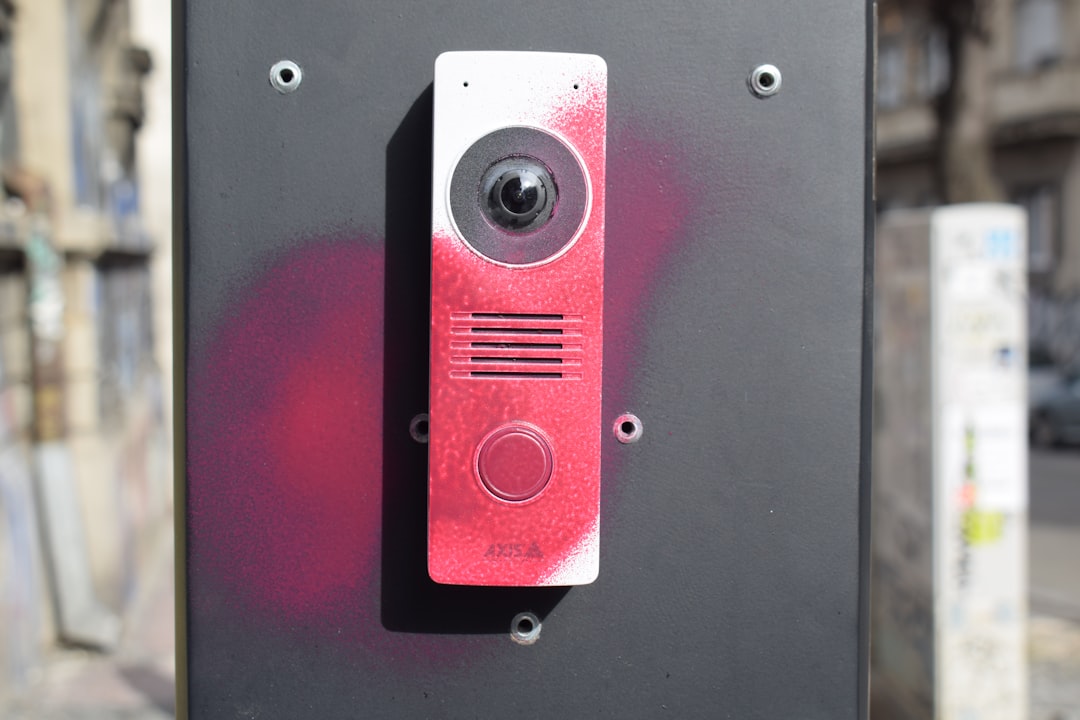
- Security cameras
- Smart locks
- Home entertainment systems
- Appliances like coffee makers and refrigerators
You can create routines such as “Good Morning” to simultaneously raise blinds, start music, and adjust the thermostat.
2. Mobile Device and App Control
Voice assistants simplify phone usage by enabling you to:
- Send messages and make phone calls
- Set reminders and alarms
- Open apps
- Navigate using maps
- Search the web
- Dictate emails
This hands-free functionality is especially valuable while driving, cooking, or exercising.
3. Workplace Productivity
In professional settings, voice assistant software is becoming a powerful productivity booster. Users can:
- Schedule calendar events
- Create task lists
- Start virtual meetings
- Retrieve company data
- Generate reports through voice dictation
Some organizations even integrate custom voice assistants internally to streamline workflows and automate repetitive tasks.
4. Accessibility and Inclusivity
Voice technology has dramatically improved digital accessibility. Individuals with mobility challenges, visual impairments, or learning disabilities benefit from being able to control devices and access information through speech rather than touch or typing.
This inclusive design makes technology available to a broader audience, creating a more equitable digital environment.
Leading Voice Assistant Platforms
Several major players dominate the voice assistant space. Below is a comparison of the most widely used platforms:
| Voice Assistant | Best For | Strengths | Ecosystem |
|---|---|---|---|
| Amazon Alexa | Smart Home Integration | Wide device compatibility, strong automation features | Echo devices, third party smart home brands |
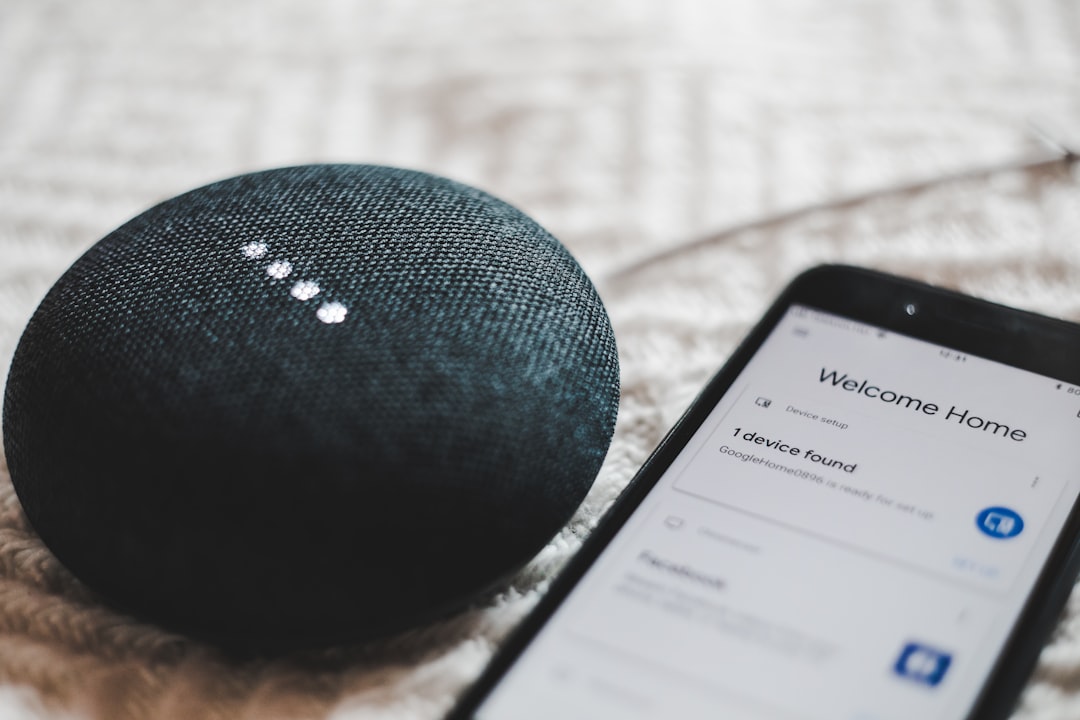
| Google Assistant | Search and Information | Advanced AI responses, superior contextual understanding | Android, Nest devices, Google services |
| Apple Siri | Apple Ecosystem Users | Strong privacy focus, seamless iPhone and Mac integration | iPhone, iPad, Mac, HomePod |
| Microsoft Cortana | Business Environments | Office productivity integration | Windows, Microsoft 365 |
Your choice largely depends on the ecosystem you already use. For example, iPhone users typically prefer Siri for consistency, while Android users often lean toward Google Assistant.
Key Benefits of Voice Assistant Software
Convenience and Speed
Speaking is faster than typing. Simple tasks like checking the weather or setting reminders take seconds.
Hands-Free Functionality
Whether driving or cooking, hands-free interaction boosts safety and efficiency.
Automation and Routines
Advanced assistants allow users to build complex automation chains. One command can trigger multiple actions simultaneously.
Personalization
Voice assistants learn preferences over time. They remember commonly played music, frequent contacts, and travel routes, offering customized suggestions.
Integration with Third-Party Apps
Modern assistants connect seamlessly with services like:
- Music streaming platforms
- Food delivery apps
- Ride-sharing services
- Task management tools
- Smart fitness apps
Security and Privacy Considerations
Despite the many benefits, privacy concerns remain one of the biggest discussions surrounding voice assistants. Most systems operate by listening for a “wake word” before activating. However, some users worry about constant microphone access.
To address these concerns, companies have implemented:
- Manual microphone mute options
- Voice recording history deletion
- Encrypted data transmission
- Localized on-device processing
Users should regularly review privacy settings and understand how their data is stored and used.
The Role of AI in Advancing Voice Technology
Artificial intelligence continues to push voice assistant software forward. New advancements include:
- Context awareness: Understanding follow-up questions without repeated details.
- Emotion detection: Identifying tone to improve responses.
- Multilingual capabilities: Switching between languages seamlessly.
- Offline functionality: Processing commands without internet connectivity.
AI-driven improvements mean voice assistants are becoming increasingly conversational rather than transactional. Instead of merely executing commands, they can engage in meaningful dialogue.

Future Trends in Voice Assistant Software
The future of voice control looks remarkably promising. Experts predict several key developments:
- Deeper Smart Home Integration: Universal protocols enabling smoother device compatibility.
- Voice Commerce Growth: Increased shopping via spoken transactions.
- Improved Personalization: Assistants anticipating needs before commands are given.
- Enterprise Integration: Wider use in corporate automation and workflow management.
- Wearable Expansion: Greater presence in smart glasses and other wearables.
As voice assistants grow more intelligent and trustworthy, they may become central hubs for all digital interactions.
Is Voice Assistant Software Right for You?
If you value efficiency, enjoy smart home technology, or seek hands-free convenience, voice assistants offer undeniable benefits. They reduce friction in everyday tasks, improve accessibility, and allow seamless integration across devices.
However, adoption depends on your comfort level with AI and data sharing. Setting boundaries through privacy controls ensures you can enjoy convenience without sacrificing security.
Conclusion
Voice assistant software has evolved from a novelty feature into a powerful technological tool that simplifies daily life. By combining artificial intelligence, natural language processing, and cloud computing, these systems allow users to control devices and applications effortlessly.
Whether managing a smart home, boosting workplace efficiency, or enhancing accessibility, voice-driven control is redefining digital interaction. As innovation continues, voice assistants will become even more intuitive, personalized, and central to how we experience technology. The future may very well be hands-free—and powered by the sound of your voice.