Instagram Tools Creators and Brands Are Using in 2026
6 min read
Instagram in 2026 is no longer just a social network—it is a fully developed commerce, media, and brand infrastructure platform. Creators and businesses now rely on a sophisticated stack of tools to manage content production, audience engagement, performance analytics, advertising, customer service, and direct sales. What separates successful accounts from stagnant ones is not just creativity, but strategic use of technology. The tools gaining traction this year reflect a clear trend: automation, data intelligence, integration, and conversion optimization.
TLDR: In 2026, creators and brands on Instagram rely heavily on AI-powered content tools, advanced analytics dashboards, social commerce integrations, and automation platforms. The focus is on optimizing performance, personalizing engagement, and driving measurable revenue. Instagram’s native features have expanded significantly, but third-party tools remain critical for scaling operations and improving efficiency. Success now depends on combining creativity with smart technology adoption.
1. AI-Powered Content Creation Suites
Artificial intelligence has fundamentally changed how Instagram content is planned and produced. In 2026, creators are using AI-powered tools that assist with everything from ideation to caption writing, video editing, and visual enhancement.

Key capabilities include:
- AI Caption Generators: These tools analyze tone, target audience, and trending topics to craft optimized captions.
- Hashtag Intelligence Tools: Instead of generic hashtag lists, modern tools evaluate real-time competition and engagement potential.
- Automated Reels Editors: AI cuts long-form video into short-form, captioned, platform-ready clips.
- Visual Enhancement Software: Smart background removal, color grading, object retouching, and brand-consistent filters.
What makes today’s AI suites impactful is contextual awareness. They learn brand voice, recognize past performance patterns, and adapt recommendations accordingly. This allows creators to scale output without sacrificing consistency.
2. Advanced Instagram Analytics Platforms
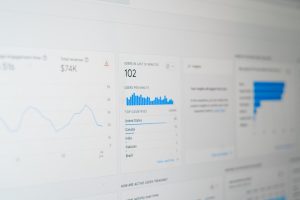
While Instagram Insights provides baseline metrics, serious brands now rely on dedicated analytics platforms for deeper performance intelligence. In 2026, these tools focus on predictive analytics, not just historical reporting.
Top features include:
- Engagement Prediction Scores: Forecast potential performance before content is published.
- Audience Micro-Segmentation: Break down followers by behavior, purchase intent, and content preferences.
- Retention Heatmaps: Particularly for Reels and Stories, showing exactly where audience drop-off occurs.
- Competitor Intelligence Tracking: Monitoring competitor content strategies in real time.
Brands use these insights to refine content calendars, adjust posting schedules, and align tone with audience response patterns. In 2026, data fluency is a defining competitive advantage.
3. Social Commerce and Checkout Tools
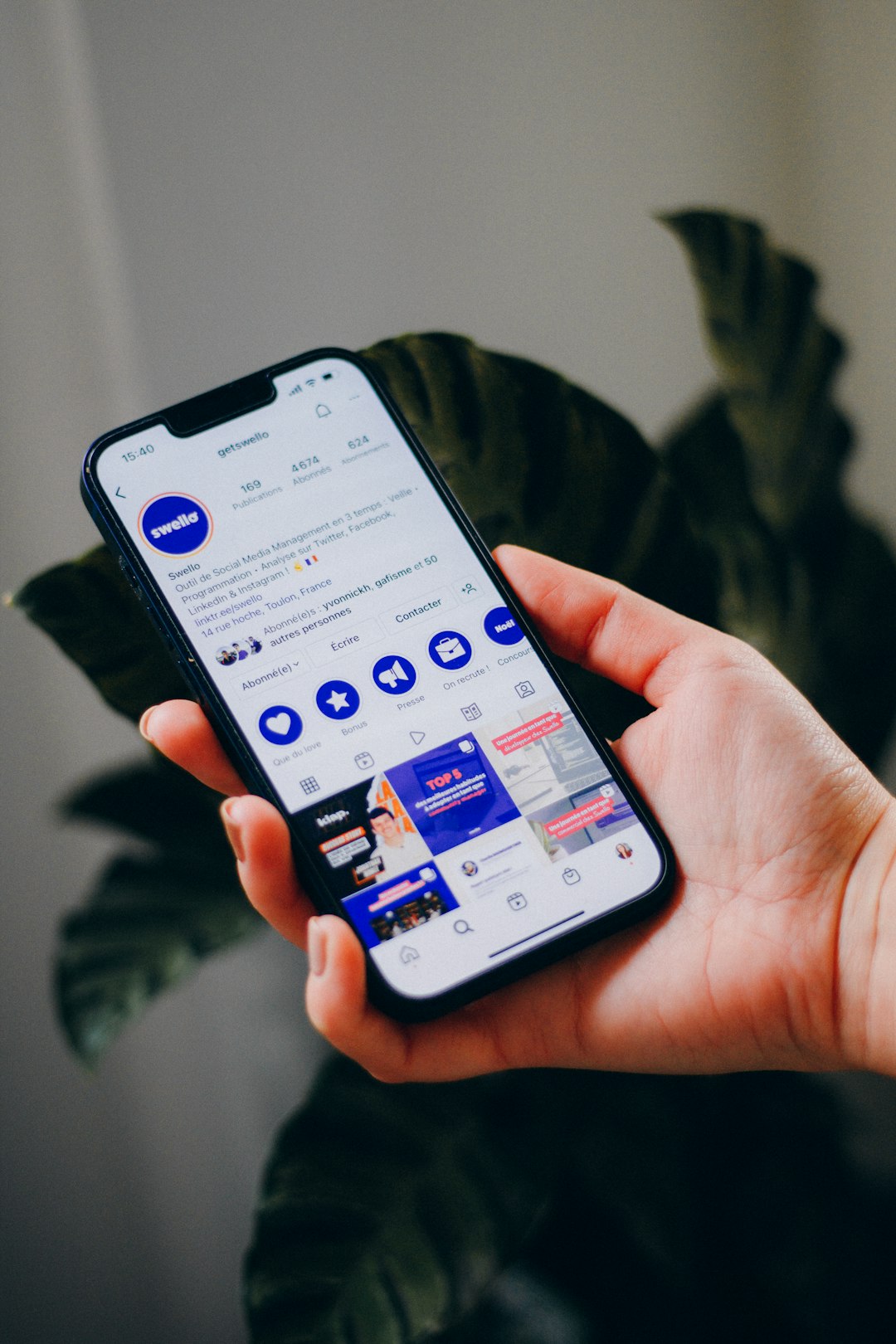
Instagram’s built-in Shop features have evolved into integrated storefront ecosystems. However, brands typically integrate additional commerce tools to manage inventory, abandoned carts, and upselling strategies.
Popular commerce enhancements include:
- One-Click Checkout Integration: Reduces friction between discovery and purchase.
- Dynamic Product Tagging: Automatically tags items based on AI image recognition.
- Abandoned Cart Retargeting Systems: Combines Instagram DMs and ads to recover lost sales.
- Live Shopping Stream Management: Real-time product pinning and automated checkout links during broadcasts.
In 2026, Instagram is a primary sales channel for many direct-to-consumer brands. The line between content and storefront is nearly invisible. The most effective creators blend storytelling with product integration seamlessly.
4. Automation and Scheduling Platforms
Manual posting is now considered inefficient for professional accounts. Automation has matured significantly, going beyond simple scheduling.
Modern automation platforms offer:
- Adaptive Posting Times: Posts are automatically published at calculated peak engagement windows.
- DM Automation Flows: Triggered responses based on keywords or engagement actions.
- Comment Moderation Filters: AI detects harmful or spam comments instantly.
- Cross-Platform Publishing: Simultaneous posting with format optimization for multiple channels.
Importantly, 2026 tools emphasize authenticity safeguards. Over-automation can harm engagement, so many systems include thresholds and “human review” buffers to preserve organic interaction.
5. Influencer Collaboration Marketplaces
Brands are using specialized platforms to discover, vet, and manage influencer partnerships with precision. These marketplaces rely heavily on fraud detection algorithms and engagement authenticity scoring.
Critical features include:
- Audience Authenticity Analysis: Identifies fake follower patterns.
- Performance Benchmarking: Compares creator metrics against niche averages.
- Integrated Contract and Payment Systems: Streamlines collaboration processes.
- Affiliate Link Tracking Dashboards: Measures sales impact directly from campaigns.
Serious brands prioritize return on investment over follower count. Micro and mid-tier creators often deliver stronger engagement metrics than large accounts, and modern tools make this easily quantifiable.
6. Short-Form Video Optimization Tools
Reels continue to dominate reach in 2026. As competition increases, creators depend on advanced tools optimized specifically for short-form video performance.

Essential Reel optimization features include:
- Hook Optimization Engines: AI evaluates first three seconds for retention strength.
- Trend Monitoring Dashboards: Track trending sounds, visuals, and meme formats.
- Auto Subtitling and Multilingual Captions: Expands global reach.
- Thumbnail A/B Testing: Tests cover frames before committing to a permanent post.
Retention rate is now one of the strongest indicators of algorithmic boost. Tools that improve watch time are central to growth strategies.
7. Community Management and CRM Integration
Brands increasingly treat Instagram followers as structured customer communities rather than anonymous audiences. CRM integrations connect Instagram interactions to broader customer databases.
These integrations allow for:
- Lead Capture via DMs: Automatically tagging potential customers.
- Customer Journey Tracking: Mapping interaction from comment to purchase.
- Segmented Broadcast Messaging: Sending targeted offers to engaged followers.
- Support Ticket Integration: Direct escalation from Instagram messages to customer service systems.
This transformation elevates Instagram from a marketing platform to a full funnel channel—awareness, engagement, nurturing, and conversion live in one environment.
8. Reputation and Brand Monitoring Tools
In an era of rapid viral amplification, real-time brand sentiment tracking is essential. Reputation tools scan for brand mentions, sentiment shifts, and emerging PR risks.
Advanced monitoring tools include:
- Sentiment Analysis Algorithms: Detect tone changes across comments and DMs.
- Keyword Spike Alerts: Immediate notifications for unexpected mention surges.
- Crisis Escalation Dashboards: Centralized responses during high-risk events.
- User-Generated Content Tracking: Identifies high-value repost opportunities.
For larger brands, delayed response can damage credibility. Speed and clarity have become operational priorities.
9. Subscription and Membership Management Tools
Instagram’s subscription feature has matured significantly by 2026. Many creators now operate structured membership levels offering exclusive content, behind-the-scenes access, and community privileges.
Management tools assist with:
- Tiered Access Automation: Differentiating content visibility by subscriber level.
- Renewal Retention Tracking: Predicting churn risk.
- Exclusive Live Event Integration: Private broadcast management.
- Member Analytics Dashboards: Tracking engagement within paid segments.
Recurring revenue provides stability for creators, reducing reliance on brand sponsorship cycles.
10. AI-Powered Personalization at Scale
Perhaps the most transformative development in 2026 is AI-driven personalization. Instead of broadcasting uniform content to all followers, advanced tools dynamically adjust messaging.
Examples include:
- Dynamic Story Variations: Slight content differences based on viewer behavior.
- Personalized DM Campaigns: Messages adapted to interaction history.
- Targeted Offer Presentation: Different calls-to-action for different audience clusters.
This level of personalization increases engagement while preserving authenticity when executed properly. However, ethical considerations regarding transparency and data usage remain critical discussion points.
Strategic Trends Defining Tool Adoption in 2026
Across categories, several patterns define tool selection:
- Integration Over Fragmentation: Brands prefer unified dashboards connecting analytics, publishing, and CRM.
- Performance Accountability: Tools must demonstrate revenue or measurable growth impact.
- Scalability: Automation is essential for handling increased content volume.
- Human-AI Collaboration: AI assists, but strategic direction remains human-led.
Instagram has matured into an ecosystem where operational sophistication determines success as much as creative execution.
Conclusion
In 2026, creators and brands using Instagram effectively are not simply posting content—they are operating structured digital businesses supported by advanced tools. AI content systems, predictive analytics dashboards, commerce integrations, automation software, influencer management platforms, and CRM synchronization are now standard components of a serious Instagram strategy.
The competitive advantage no longer lies in access to technology, but in how intelligently that technology is deployed. Success belongs to those who combine authentic storytelling, data analysis, automation discipline, and measurable business objectives. Instagram remains a creative platform—but in 2026, it is equally a technical and strategic one.