Data Pipeline Monitoring Apps Like Databand That Help You Detect Issues Early
5 min read
Data is the backbone of modern decision-making, but data is only as valuable as it is reliable. As organizations scale their analytics operations, data pipelines become increasingly complex—moving information between sources, transformation layers, warehouses, dashboards, and machine learning models. Without robust monitoring in place, a single broken job or silent schema change can ripple through an entire business. That’s where data pipeline monitoring apps like Databand come in: they help teams detect issues early, reduce downtime, and build trust in their data.
TLDR: Data pipeline monitoring tools like Databand help organizations detect data quality and workflow issues before they impact reports or models. By tracking metrics, schema changes, anomalies, and job failures in real time, these platforms provide proactive alerts and root cause insights. They improve data reliability, reduce firefighting, and strengthen trust in analytics. If your team depends on data to make decisions, early detection isn’t optional—it’s critical.
Why Early Detection in Data Pipelines Matters
Modern data stacks are distributed and dynamic. Pipelines often involve:
- Multiple ingestion tools (e.g., streaming and batch ETL)
- Cloud data warehouses and lakehouses
- Orchestration platforms
- BI dashboards and ML models
Each layer introduces new failure points. Pipelines can break due to:
- Schema drift (new or missing columns)
- Unexpected null values
- Delayed data loads
- Upstream API failures
- Permission changes
The most dangerous problems are not catastrophic crashes—they are silent failures. Reports refresh with incomplete data. Models train on outdated records. Executives make strategic decisions based on flawed dashboards.
Data pipeline monitoring apps are designed to surface these issues before they spread. Instead of waiting for stakeholders to complain, teams receive alerts the moment anomalies appear.
What Is Data Pipeline Monitoring?
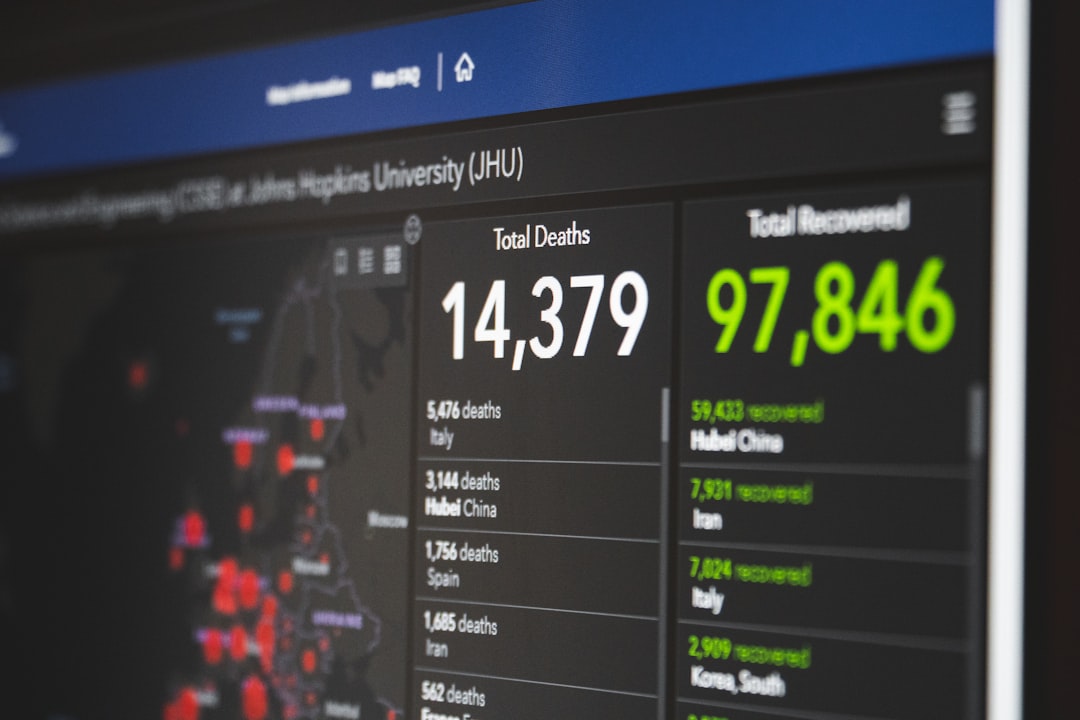
At its core, data pipeline monitoring is the practice of tracking operational health and data quality across workflows. While traditional IT monitoring focuses on CPU usage or server uptime, data pipeline monitoring goes deeper—it examines the content and structure of the data itself.
Monitoring platforms typically provide insight into:
- Operational metrics: Job duration, task retries, and failures
- Data freshness: Are tables updated on schedule?
- Volume anomalies: Are row counts significantly different from normal?
- Schema changes: Have columns been added, removed, or modified?
- Data quality checks: Validation rules and threshold monitoring
By centralizing visibility, these tools help teams move from reactive troubleshooting to proactive reliability engineering.
How Apps Like Databand Work
Databand and similar tools integrate directly into your data stack. Rather than replacing orchestrators or warehouses, they observe pipeline metadata and performance signals.
Here’s a simplified breakdown of how they operate:
- Integration: Connect to orchestration tools like Airflow or Prefect.
- Metadata Collection: Gather lineage, runtime metrics, logs, and dataset statistics.
- Baseline Learning: Establish normal behavioral patterns using historical data.
- Anomaly Detection: Flag deviations such as volume spikes or runtime delays.
- Alerting: Notify teams via Slack, email, or incident management platforms.
Instead of manually scanning logs for errors, data engineers get actionable alerts with root cause context.
Core Features to Look For
Not all monitoring tools are created equal. When evaluating solutions like Databand, consider the following capabilities:
1. Automated Anomaly Detection
Rule-based monitoring has limitations. Modern tools use statistical models to detect abnormalities in row counts, distribution changes, and runtime behaviors.
2. Data Lineage Visibility
Understanding how upstream sources feed downstream dashboards is crucial for impact analysis. If one job fails, you need to know which stakeholders are affected.
3. Real-Time Alerts
Immediate notifications mean faster remediation and reduced downtime.
4. Incident Investigation Tools
Look for centralized logs, historical comparisons, and debugging insights within the monitoring interface.
5. Integration Flexibility
Robust APIs and native connectors ensure compatibility with your evolving tech stack.
Comparison of Leading Data Pipeline Monitoring Tools
While Databand is a popular choice, several other tools offer similar functionality. Here’s a comparison overview:
| Tool | Primary Focus | Anomaly Detection | Lineage Tracking | Ideal For |
|---|---|---|---|---|
| Databand | Operational monitoring and ML pipeline tracking | Advanced | Yes | Enterprises with complex pipelines |
| Monte Carlo | Data reliability and observability | Advanced | Strong | Large data teams prioritizing reliability |
| Bigeye | Automated data quality monitoring | Advanced | Moderate | Teams focused on anomaly detection |
| Great Expectations | Data validation framework | Rule-based | Limited | Developers implementing custom checks |
Each solution approaches monitoring slightly differently. Some specialize in statistical anomaly detection, while others emphasize validation rules or lineage analysis.
The Rise of Data Observability
Data pipeline monitoring is part of a broader trend known as data observability. Borrowed from DevOps practices, observability goes beyond simple monitoring to provide deep visibility into system behavior.
Data observability is built on five pillars:
- Freshness
- Volume
- Schema
- Distribution
- Lineage
When these dimensions are continuously tracked, teams gain comprehensive awareness of pipeline health. Instead of chasing symptoms, they can identify root causes.
Business Benefits of Proactive Monitoring
Monitoring apps deliver more than technical clarity—they provide measurable business advantages.
Improved Data Trust
Stakeholders rely on analytics to make financial and operational decisions. Consistent quality builds organizational confidence.
Reduced Incident Response Time
With automated alerts and contextual insights, mean time to resolution (MTTR) decreases significantly.
Greater Engineering Productivity
Engineers spend less time firefighting and more time building new features.
Regulatory Compliance
Monitoring and audit trails support governance requirements and data accountability frameworks.

Common Challenges When Implementing Monitoring
Despite clear advantages, organizations may face hurdles when adopting data pipeline monitoring tools:
- Alert Fatigue: Poorly tuned thresholds can overwhelm teams.
- Integration Complexity: Diverse systems require careful configuration.
- Cost Considerations: Enterprise-grade observability tools can be expensive.
- Cultural Resistance: Teams may hesitate to change existing workflows.
Overcoming these challenges requires incremental implementation and thoughtful alert design. It’s better to begin with high-impact pipelines and expand coverage over time.
Best Practices for Getting Started
If you’re considering data pipeline monitoring software, follow these guidelines:
- Map Critical Pipelines: Identify data flows that impact revenue or executive reporting.
- Define Clear SLAs: Establish freshness and quality expectations.
- Start with Automated Detection: Reduce manual rule creation where possible.
- Integrate Alert Channels: Ensure seamless communication with existing tools.
- Continuously Refine Thresholds: Optimize based on real-world usage patterns.
The goal isn’t to monitor everything at once—it’s to monitor what matters most.
The Future of Data Pipeline Monitoring
As data ecosystems grow more complex, monitoring solutions are evolving with them. Emerging trends include:
- AI-driven root cause analysis
- Predictive failure detection
- Self-healing pipelines
- Deeper ML workflow monitoring
Future monitoring platforms won’t just detect issues—they’ll recommend fixes or automatically trigger remediation workflows.
Final Thoughts
In a world where businesses are powered by data, reliability is everything. Monitoring apps like Databand provide the visibility and intelligence necessary to detect issues early and maintain trust in complex pipelines. They transform reactive troubleshooting into proactive reliability engineering.
As data volumes continue to surge and analytics become mission-critical, implementing robust monitoring is no longer a luxury—it’s a strategic necessity. Whether you’re running a lean startup analytics team or managing enterprise-scale operations, early detection capabilities can protect your most valuable asset: your data.