Best Tools for SERP Data Analysis in 2026
5 min read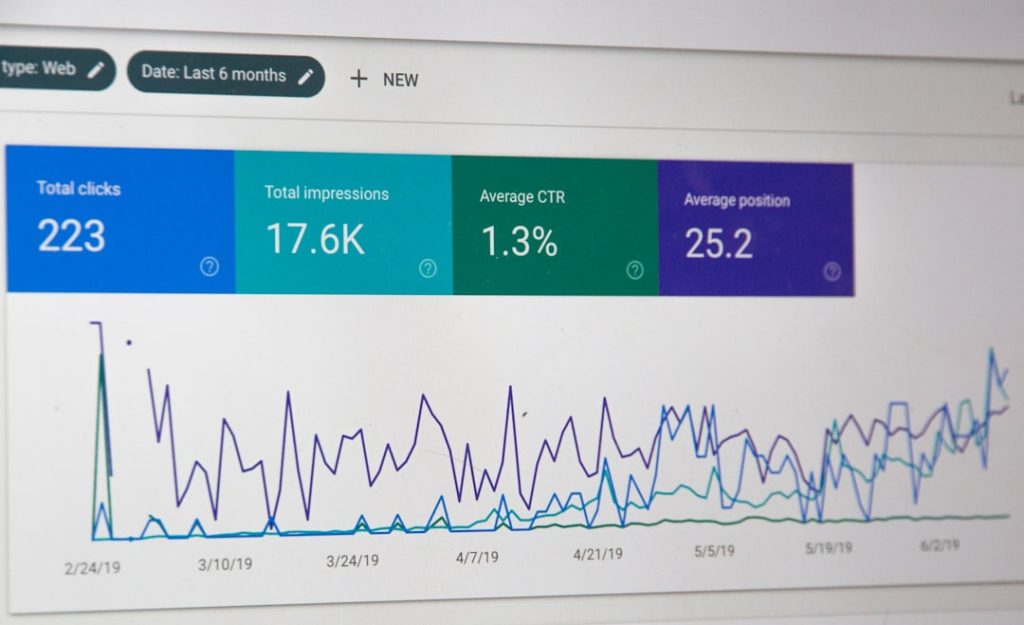
Search engine results pages (SERPs) have evolved dramatically in recent years. In 2026, analyzing SERP data is no longer just about tracking keyword rankings—it is about understanding search intent, AI-generated summaries, rich results, user behavior signals, and competitive positioning across multiple devices and geographies. Serious SEO professionals and digital marketing teams now rely on sophisticated tools that transform raw SERP data into strategic, actionable insights.
TL;DR: The best SERP data analysis tools in 2026 combine accurate rank tracking, AI-driven insights, real-time SERP monitoring, competitor intelligence, and advanced segmentation. Enterprise users prioritize scalability and automation, while smaller teams benefit from intuitive dashboards and affordable pricing tiers. Platforms like Semrush, Ahrefs, SE Ranking, Sistrix, AccuRanker, and Similarweb lead the space. The right tool depends on your strategic goals, data depth requirements, and integration needs.
Why SERP Data Analysis Matters More Than Ever
Modern SERPs are no longer ten blue links. AI Overviews, featured snippets, knowledge panels, local packs, video carousels, shopping grids, and “People Also Ask” sections dominate visibility. As a result, standard rank tracking is insufficient.
Advanced SERP data analysis now helps organizations:
- Identify true visibility across all SERP features
- Determine intent alignment with evolving search behavior
- Monitor AI-generated summaries and brand mentions
- Track competitive overlaps at scale
- Quantify feature ownership such as snippets and local packs
This shift has led to a new generation of tools engineered to provide structured SERP intelligence rather than simple rankings.
Key Capabilities to Look for in 2026
Before selecting a platform, it is essential to understand what differentiates a basic tool from a high-performing one.
The most valuable SERP analysis tools now offer:
- Real-time or near real-time tracking
- AI SERP feature detection
- Competitor gap analysis
- Custom segmentation by device, region, and search intent
- API access and automation capabilities
- Historical SERP archives
- Integration with analytics and BI platforms
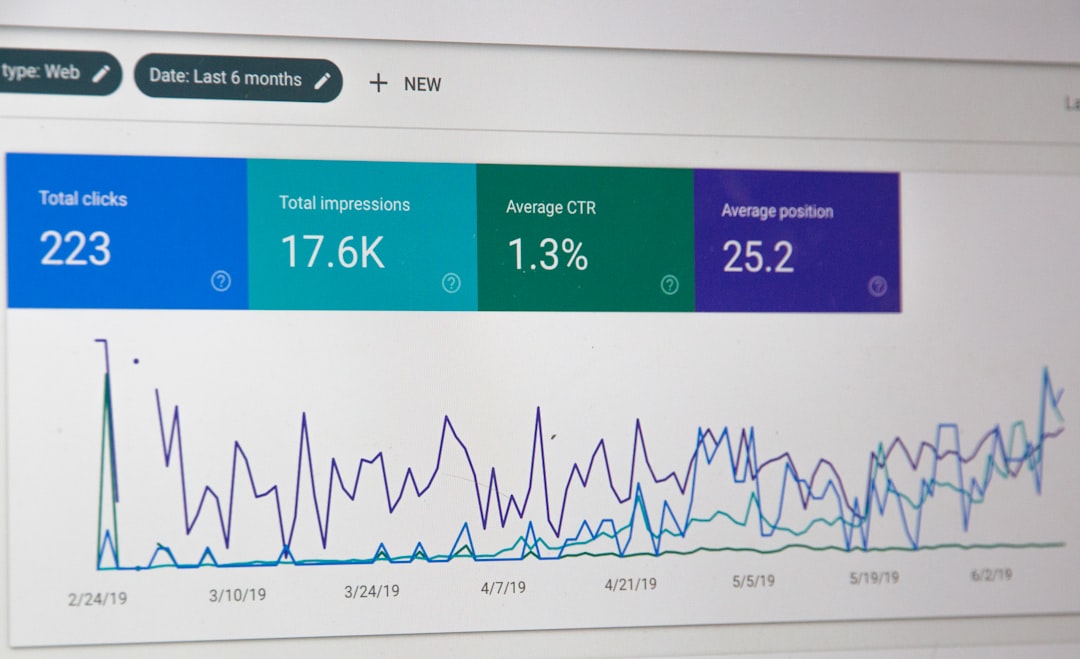
Visualization also plays a critical role. Modern dashboards must present large datasets clearly, enabling swift decision-making without sacrificing analytical depth.
1. Semrush
Semrush remains one of the most comprehensive platforms for SERP analysis in 2026. Its strength lies in combining keyword tracking, competitive research, content analysis, and SERP feature monitoring into one ecosystem.
Key advantages:
- Advanced SERP feature tracking including AI Overviews
- Robust competitor visibility gap tools
- Extensive historical keyword database
- Strong API and reporting automation
For mid-size to enterprise organizations, Semrush provides reliable data depth and cross-channel insights. Its SERP volatility tracking tool is particularly valuable during major algorithm updates.
2. Ahrefs
Ahrefs has strengthened its SERP data capabilities significantly. Known traditionally for backlink analysis, the platform now delivers serious SERP intelligence through accurate rank tracking, content gap tools, and intent-focused keyword segmentation.
What makes Ahrefs stand out:
- Extremely large keyword index
- Reliable SERP snapshot archives
- Strong competitor comparison interface
- Click metrics estimation based on SERP features
Ahrefs is particularly valuable for teams prioritizing data-driven content strategy, as it connects SERP position, link profiles, and traffic potential seamlessly.
3. SE Ranking
SE Ranking has established itself as a flexible and cost-effective solution. In 2026, it offers sophisticated SERP tracking combined with marketing plan features and white-label reporting.
Ideal for:
- Agencies managing multiple clients
- Small to mid-sized businesses
- Teams requiring customizable reports
Its SERP feature tracking remains competitive, and its usability makes it accessible without sacrificing accuracy.
4. Sistrix
Sistrix continues to dominate visibility tracking in European markets and beyond. Its Visibility Index remains one of the most trusted benchmarking metrics in the industry.
Strengths include:
- Reliable historical data archives
- Clear visibility scoring models
- Algorithm update impact analysis
- Country-specific SERP segmentation
Businesses operating internationally benefit from Sistrix’s structured approach to tracking search performance across varied markets.
5. AccuRanker
For organizations that require precision and speed, AccuRanker has positioned itself as a premium SERP tracking solution.
Key highlights:
- On-demand rank updates
- Highly accurate local tracking
- Advanced SERP feature identification
- Fast, intuitive dashboard
Its strength lies in its real-time capabilities. Especially during campaigns or algorithm fluctuations, instant refresh options provide valuable strategic agility.
6. Similarweb
While traditionally associated with traffic analytics, Similarweb now offers deeper search intelligence features. For SERP analysis, it excels in contextualizing rankings within broader traffic trends.
This tool is best for:
- Enterprise-level competitive benchmarking
- Market share estimation
- Understanding channel overlap
Unlike traditional rank trackers, Similarweb focuses more on market-level insights rather than keyword-by-keyword tracking.
Emerging AI-Driven SERP Analysis Platforms
Artificial intelligence plays an increasingly central role in 2026 SERP analytics. Several newer platforms leverage machine learning to interpret large-scale SERP changes and user behavior patterns.
AI-driven tools now provide:
- Intent clustering of keywords
- Predictive ranking forecasts
- SERP volatility alerts based on anomaly detection
- Automated competitor movement explanations
Instead of simply reporting movement, advanced systems now explain why rankings changed—whether due to content shifts, link acquisition patterns, or SERP feature displacement.
Local and Mobile SERP Data Tracking
Geo-specific and device-based tracking is no longer optional. Mobile-first indexing and personalized results mean that desktop-only tracking provides incomplete insights.
High-performing tools in 2026 must offer:
- Granular city-level tracking
- ZIP code level SERP monitoring for local businesses
- Mobile versus desktop feature comparison
- Local pack ownership reporting
For multi-location businesses, this level of specificity directly correlates with revenue visibility.
Data Integration and Automation
Another defining trend is the integration of SERP data into broader analytics ecosystems. Organizations increasingly connect their ranking data with:
- Business intelligence dashboards
- Conversion tracking systems
- CRM platforms
- Paid media reporting structures
API access is therefore not a luxury but a necessity for organizations operating at scale.
Choosing the Right Tool for Your Needs
The “best” SERP tool depends heavily on operational context.
For enterprise companies:
- Semrush
- Similarweb
- Sistrix
For agencies:
- SE Ranking
- AccuRanker
- Semrush
For content-focused SEO teams:
- Ahrefs
- Semrush
Decision-makers should evaluate trial data carefully, comparing ranking accuracy, dashboard usability, and update frequency before committing long-term.
Final Considerations
SERP data analysis in 2026 requires sophistication, speed, and strategic interpretation. The best tools are no longer passive trackers—they function as analytical engines capable of identifying opportunities, predicting volatility, and guiding investment decisions.
Trustworthy platforms in this space distinguish themselves through transparency of data sources, consistent update reliability, and responsiveness to algorithm changes. Organizations that invest in advanced SERP intelligence gain a measurable competitive advantage, not simply in rankings, but in comprehensive search visibility.
As search ecosystems continue to evolve under AI influence and user personalization, serious professionals must rely on tools capable of evolving with them. Careful selection of the right SERP data analysis platform is therefore not just a tactical decision—it is a strategic imperative for sustained digital growth.