Fitbit vs Garmin: The Best Fitness Tracker for You
8 min read
Choosing between Fitbit and Garmin is less about finding a universally “best” fitness tracker and more about identifying the device that fits your habits, goals, and budget. Both brands are well established, widely used, and capable of tracking daily activity, sleep, exercise, heart rate, and wellness trends. However, they are built with different priorities: Fitbit tends to emphasize simplicity, health insights, and everyday wellness, while Garmin is generally stronger for sport performance, training metrics, and long battery life.
TLDR: If you want an easy-to-use tracker for steps, sleep, stress, heart rate, and general health, Fitbit is likely the better choice. If you train seriously, run, cycle, hike, swim, or want deeper performance data, Garmin is usually the stronger option. Fitbit is often more approachable and lifestyle-focused, while Garmin is more rugged, data-rich, and sport-oriented. The best choice depends on whether your priority is wellness tracking or fitness performance.
Understanding the Fitbit and Garmin difference
Fitbit and Garmin overlap in many ways, but their core philosophies differ. Fitbit became popular by making fitness tracking accessible to everyday users. Its devices are typically simple to operate, comfortable to wear, and focused on helping users become more aware of movement, sleep, and general health habits.
Garmin, by contrast, has a long history in GPS technology and performance tracking. Its watches are frequently used by runners, cyclists, triathletes, hikers, golfers, and outdoor athletes who need reliable GPS, advanced metrics, and durable hardware. Garmin also offers simple fitness watches, but its reputation is strongest among people who want more detailed training analysis.
This distinction matters because a device that looks impressive on paper may not be the right choice if it provides data you will not use. A casual user may find Garmin’s deep metrics unnecessary, while a marathon runner may find Fitbit’s training tools too limited.
Design, comfort, and everyday wear
Fitbit devices are usually slim, lightweight, and discreet. Models such as the Fitbit Charge line are designed to feel like modern fitness bands rather than full sports watches. This makes them appealing for users who want something they can wear all day and night without noticing it too much.
Garmin watches vary more widely in size and style. Some, such as the Vivosmart or Lily models, are compact and lifestyle-friendly, while Forerunner, Fenix, Instinct, and Epix watches are larger and more rugged. These models are designed to withstand outdoor use and serious workouts, but they may feel bulky for users with smaller wrists or those who prefer minimal accessories.
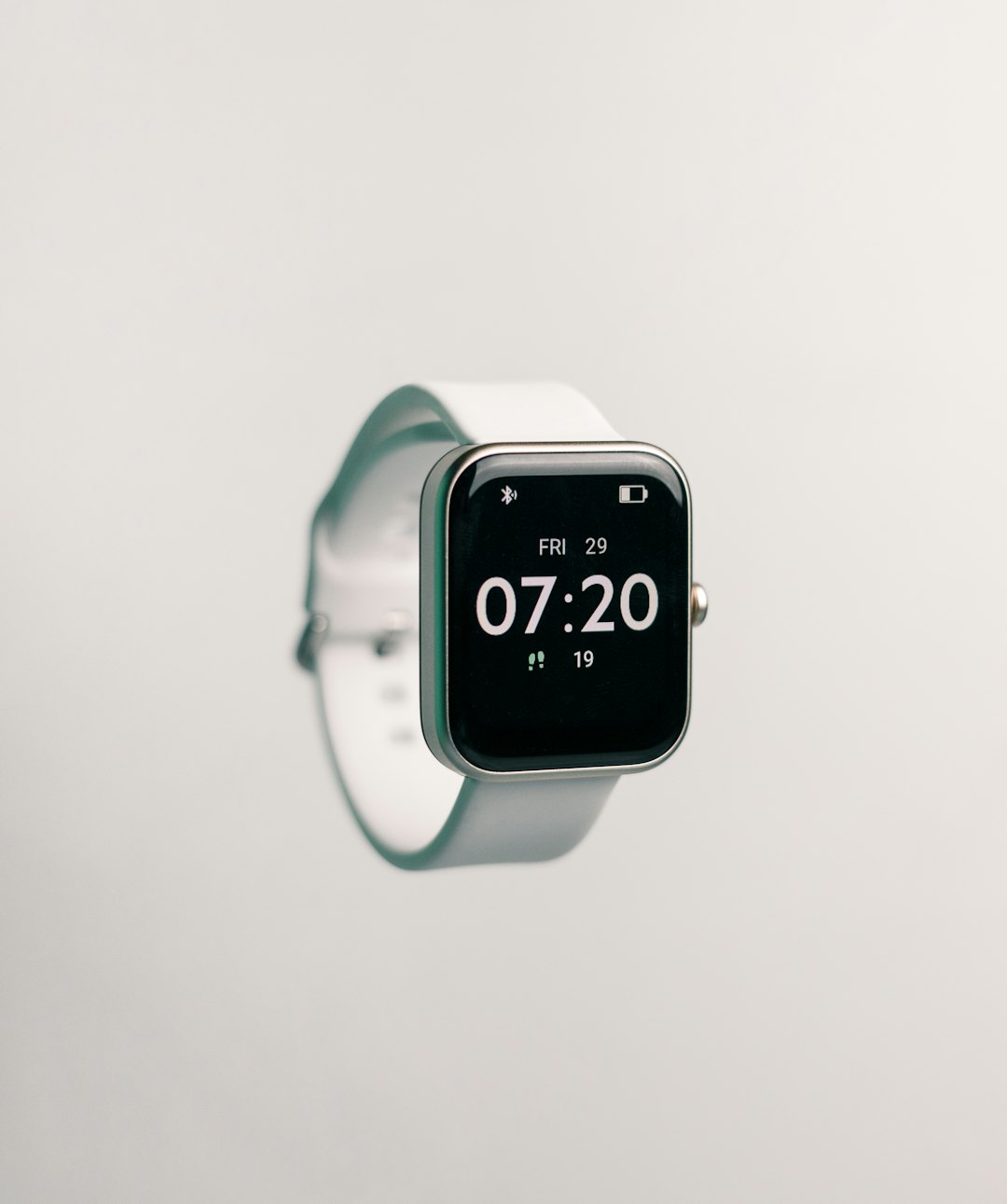
For sleep tracking, comfort becomes especially important. Fitbit generally has an advantage here because many of its trackers are smaller and lighter. Garmin’s larger watches can still track sleep effectively, but some users may not enjoy wearing a full-size sports watch overnight.
Fitness tracking and workout features
For basic fitness tracking, both Fitbit and Garmin perform well. They can track steps, active minutes, calories, heart rate, workouts, and general movement patterns. If your main goals are walking more, exercising regularly, and keeping an eye on your daily habits, either brand can serve you well.
The difference becomes clearer when workouts become more structured. Garmin is typically superior for sport-specific tracking. Many Garmin watches offer advanced running dynamics, training status, recovery time, VO2 max estimates, race predictions, pace guidance, cycling metrics, swimming modes, multisport tracking, and route navigation. These features are especially valuable if you follow a training plan or want to improve performance over time.
Fitbit supports common workout modes such as running, cycling, swimming, treadmill exercise, strength training, yoga, and interval workouts. It is good for general exercise logging, but it does not usually provide the same depth of analysis as Garmin. For example, a casual runner may be perfectly happy with Fitbit’s pace, distance, and heart rate tracking, while a competitive runner may want Garmin’s detailed pacing tools, recovery recommendations, and training load analysis.
GPS accuracy and outdoor activity
GPS is one of Garmin’s strongest areas. Many Garmin devices include built-in GPS, multi-band GPS on higher-end models, route mapping, breadcrumb navigation, and outdoor profiles for hiking, trail running, skiing, and more. For users who train outdoors or explore unfamiliar areas, this can be a major advantage.
Fitbit also offers built-in GPS on several models, and it is adequate for many everyday runs and walks. However, Garmin is generally considered more reliable for athletes and outdoor users who need precise tracking, faster satellite connection, and richer route data. If you frequently run trails, cycle long distances, hike, or train in areas where accuracy matters, Garmin is the safer choice.
Sleep and health tracking
Fitbit has long been known for strong sleep tracking. Its app presents sleep data in a clear and approachable way, often including sleep stages, sleep duration, restlessness, and a sleep score. Many users appreciate how Fitbit turns complex health information into simple summaries that are easy to understand.
Garmin also offers comprehensive sleep tracking, including sleep stages, respiration, heart rate variability, Body Battery, stress, and recovery-related insights. Garmin’s sleep tracking has improved considerably, and for athletes, its health data connects well with training readiness and recovery. However, Fitbit’s sleep experience may still feel more user-friendly for people who mainly want clear overnight wellness feedback.
Both brands offer heart rate monitoring, breathing rate insights, stress tracking, and menstrual health tracking depending on the model and app setup. Some Fitbit and Garmin devices also include ECG features, skin temperature trends, blood oxygen estimation, or irregular rhythm notifications, though availability can vary by country, device, and regulatory approval.
Battery life
Battery life is another area where Garmin often wins. Many Garmin watches last several days to weeks on a charge, depending on the model and usage. Even with GPS use, Garmin devices are often designed for longer endurance than typical lifestyle trackers.
Fitbit devices also tend to offer respectable battery life, usually around several days depending on the model. Compared with many full smartwatches, Fitbit battery performance is good. However, Garmin’s sport watches, particularly models such as Instinct, Forerunner, Fenix, and Enduro, are built for longer sessions and extended outdoor use.
If charging once or twice a week does not bother you, Fitbit is likely sufficient. If you dislike frequent charging, travel often, train outdoors for long periods, or need reliable GPS battery life, Garmin has the advantage.
Smartwatch features and app experience
Fitbit’s app is one of its biggest strengths. It is clean, approachable, and easy to navigate. The dashboard helps users understand trends without needing technical knowledge. For people who want motivation, badges, reminders, and simple wellness goals, Fitbit’s software is appealing.
Garmin Connect is more detailed and data-heavy. It provides charts, training metrics, course planning, performance trends, and device customization options. Serious users may love this depth, but beginners may find it less immediately intuitive. Garmin rewards users who are willing to explore the data.
In smartwatch functionality, neither Fitbit nor Garmin fully replaces an Apple Watch or high-end Android smartwatch for app ecosystems. Still, both offer useful features such as phone notifications, alarms, timers, weather, music controls, and contactless payments on selected models. Some Garmin watches also support offline music, maps, and sport-specific apps. Fitbit’s smartwatch features are simpler, especially after changes to its app and device ecosystem, but still adequate for many everyday users.
Subscriptions and value
Cost is not only about the device price. Fitbit offers Fitbit Premium, a subscription that unlocks deeper insights, guided programs, readiness scores, workouts, and more detailed health reports. Some users find it worthwhile, while others may dislike paying extra after buying the device.
Garmin generally provides most of its major fitness and health data without a required subscription. This is an important advantage for long-term value, especially for users who want advanced training metrics without ongoing fees. Garmin devices may cost more upfront, but they often include extensive features at no additional monthly cost.
Fitbit can be better value for users who want an affordable tracker and do not need advanced sport tools. Garmin can be better value for committed athletes who would otherwise outgrow a simpler device quickly.
Which is better for beginners?
For beginners, Fitbit is often the more comfortable starting point. Its interface is simple, its goals are easy to understand, and its devices are not intimidating. If you are trying to build healthier habits, improve sleep, increase daily movement, or become more consistent with exercise, Fitbit gives you the essentials without overwhelming you.
Garmin can also work for beginners, especially if you already know you want to run, cycle, hike, or follow structured training. A beginner runner who plans to train for a 5K, 10K, or half marathon may benefit from Garmin’s coaching tools and GPS accuracy. However, if you only want general health awareness, Garmin may provide more data than you need.
Which is better for athletes?
For athletes, Garmin is usually the better choice. Its devices are built around training, recovery, endurance, and performance. Runners benefit from pace tools, race estimates, cadence, heart rate zones, suggested workouts, and recovery guidance. Cyclists can connect sensors and analyze rides in more detail. Swimmers, triathletes, and outdoor athletes also have access to more specialized tracking modes.
Fitbit can track workouts and support an active lifestyle, but it is less specialized. If you exercise primarily for health and enjoyment, Fitbit may be enough. If you train with specific goals, Garmin is more likely to support your progress over months and years.
Privacy, reliability, and ecosystem considerations
Health data is personal, so it is worth reviewing each company’s privacy settings and account requirements before choosing. Fitbit is owned by Google, which may appeal to some users and concern others depending on their views on data ecosystems. Garmin operates its own health and fitness platform and is widely used by athletes who prefer a dedicated performance ecosystem.
Both companies have mature platforms, regular updates, and broad device support. However, no wearable is medically perfect. Heart rate sensors, sleep estimates, calorie calculations, and blood oxygen readings should be treated as helpful trends, not clinical measurements. If you have a medical condition, use wearable data as a conversation point with a qualified healthcare professional, not as a substitute for medical advice.
Fitbit vs Garmin: quick decision guide
- Choose Fitbit if you want a simple, comfortable tracker for everyday health, sleep, steps, stress, and casual workouts.
- Choose Fitbit if you value an easy app experience and do not need advanced athletic metrics.
- Choose Garmin if you run, cycle, swim, hike, train seriously, or want more accurate GPS and performance tools.
- Choose Garmin if long battery life, rugged design, and subscription-free data are important to you.
- Consider your budget, but also consider whether you may outgrow a basic tracker within a year.
Final verdict
Fitbit is best for people who want a reliable, approachable fitness tracker focused on wellness, sleep, and daily motivation. It is a strong choice for beginners, casual exercisers, and anyone who wants health information presented clearly. Garmin is best for users who want deeper training data, stronger GPS, longer battery life, and a device that can support serious sport and outdoor activity.
The most sensible choice is the one that matches your real behavior, not the one with the longest feature list. If you want to become more aware of your health and build better routines, Fitbit is likely enough. If you want to train, measure, improve, and explore, Garmin is the better investment. Both brands are credible; the right one depends on whether your fitness journey is centered on everyday wellness or performance-driven progress.