Apple Watch vs Samsung Galaxy Watch: Which is Better?
9 min read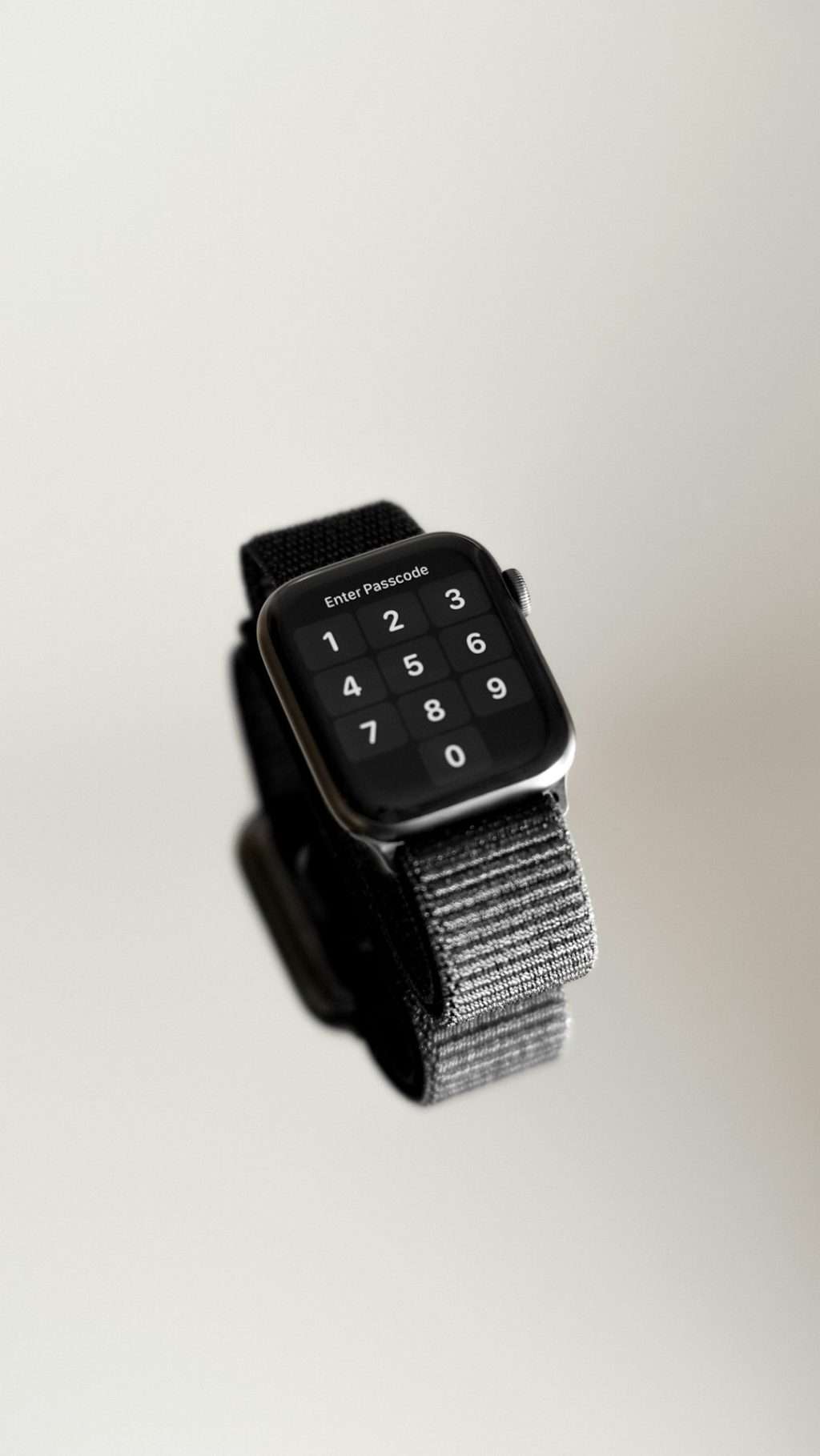
Choosing between an Apple Watch and a Samsung Galaxy Watch is one of the biggest decisions in the smartwatch market. Both product lines offer premium health tracking, strong app ecosystems, stylish designs, and deep smartphone integration. However, the better choice depends heavily on the phone a person uses, the features they value most, and how much flexibility they want from a wearable device.
TLDR: The Apple Watch is generally better for iPhone users because of its smooth integration, excellent app support, and polished health and fitness features. The Samsung Galaxy Watch is usually the stronger choice for Android users, especially those with Samsung phones, thanks to its customization, battery life options, and Google-powered features. Neither watch is universally better; the best option depends mainly on the smartphone ecosystem and personal priorities.
Overall Comparison
The Apple Watch and Samsung Galaxy Watch represent two different approaches to wearable technology. Apple focuses on a highly controlled, seamless experience that works almost perfectly within its own ecosystem. Samsung, on the other hand, offers a more flexible smartwatch that works across many Android phones while still delivering its best experience to Galaxy smartphone owners.
For many buyers, the decision is simple: an Apple Watch requires an iPhone, while a Samsung Galaxy Watch is designed primarily for Android. Although older Samsung watches previously worked with iPhones, modern Galaxy Watch models running Wear OS do not support iOS. This basic compatibility difference immediately separates the two product families.
Design and Build Quality
Apple Watch models are known for their distinctive square design with rounded corners. This shape makes text, notifications, apps, and fitness metrics easy to read. Apple offers several versions, including the standard Apple Watch Series line, the more affordable Apple Watch SE, and the rugged Apple Watch Ultra. Materials vary from aluminum to titanium, depending on the model.
Samsung Galaxy Watch models usually feature a more traditional round watch design. This gives them a classic appearance that appeals to users who prefer a smartwatch that looks closer to a conventional wristwatch. Some Galaxy Watch models also include a physical or digital rotating bezel, which makes navigation feel natural and tactile.
In terms of durability, both brands perform well. Apple’s Ultra models are especially strong for outdoor use, diving, hiking, and endurance sports. Samsung’s premium models also offer water resistance, strong glass, and sturdy cases. The better design depends on preference: Apple feels modern and app focused, while Samsung feels more traditional and watch like.
Display Quality
Both Apple and Samsung produce excellent smartwatch displays. Apple Watch screens are bright, sharp, and easy to view outdoors. The always-on display found on many Apple Watch models allows users to glance at time, health stats, and complications without raising the wrist.
Samsung Galaxy Watch displays are also among the best in the industry. Samsung has long been a leader in AMOLED screen technology, and that advantage shows in Galaxy Watch models. Colors are vibrant, blacks are deep, and outdoor visibility is strong. Many Galaxy Watches also support an always-on display.
There is no clear winner in display quality. Apple may have a slight edge in interface smoothness and readable rectangular layouts, while Samsung may appeal more to those who prefer a circular watch face and rich AMOLED visuals.
Software and User Experience
The Apple Watch runs watchOS, a mature and polished operating system built specifically for Apple’s wearable devices. It connects deeply with iOS, allowing users to receive messages, answer calls, use Apple Pay, control music, unlock a Mac, track workouts, and interact with Siri. The experience is smooth, consistent, and highly reliable.
Samsung Galaxy Watch models run Wear OS with Samsung’s One UI Watch interface. This gives users access to Google apps such as Google Maps, Google Assistant, Google Wallet, and the Play Store. Samsung also includes its own health, fitness, and customization features. This combination creates a flexible experience that blends Google’s services with Samsung’s design.
The Apple Watch usually feels more refined for iPhone users because everything works together with minimal setup. The Galaxy Watch offers more customization and broader Android compatibility, but some features work best only with Samsung phones. For example, certain health tools may require the Samsung Health Monitor app, which is not always available on every Android device.
Health and Fitness Tracking
Health tracking is one of the strongest reasons to buy either smartwatch. Apple Watch models offer heart rate monitoring, ECG on supported models, blood oxygen measurement on some versions, sleep tracking, cycle tracking, fall detection, crash detection, and irregular rhythm notifications. Apple’s fitness rings are simple, motivating, and widely recognized.
Samsung Galaxy Watch models also include a broad set of health features, such as heart rate tracking, ECG in supported regions, blood oxygen monitoring, sleep analysis, body composition measurement, stress tracking, and automatic workout detection. Samsung’s body composition tool is especially notable because it estimates metrics such as body fat percentage and skeletal muscle.
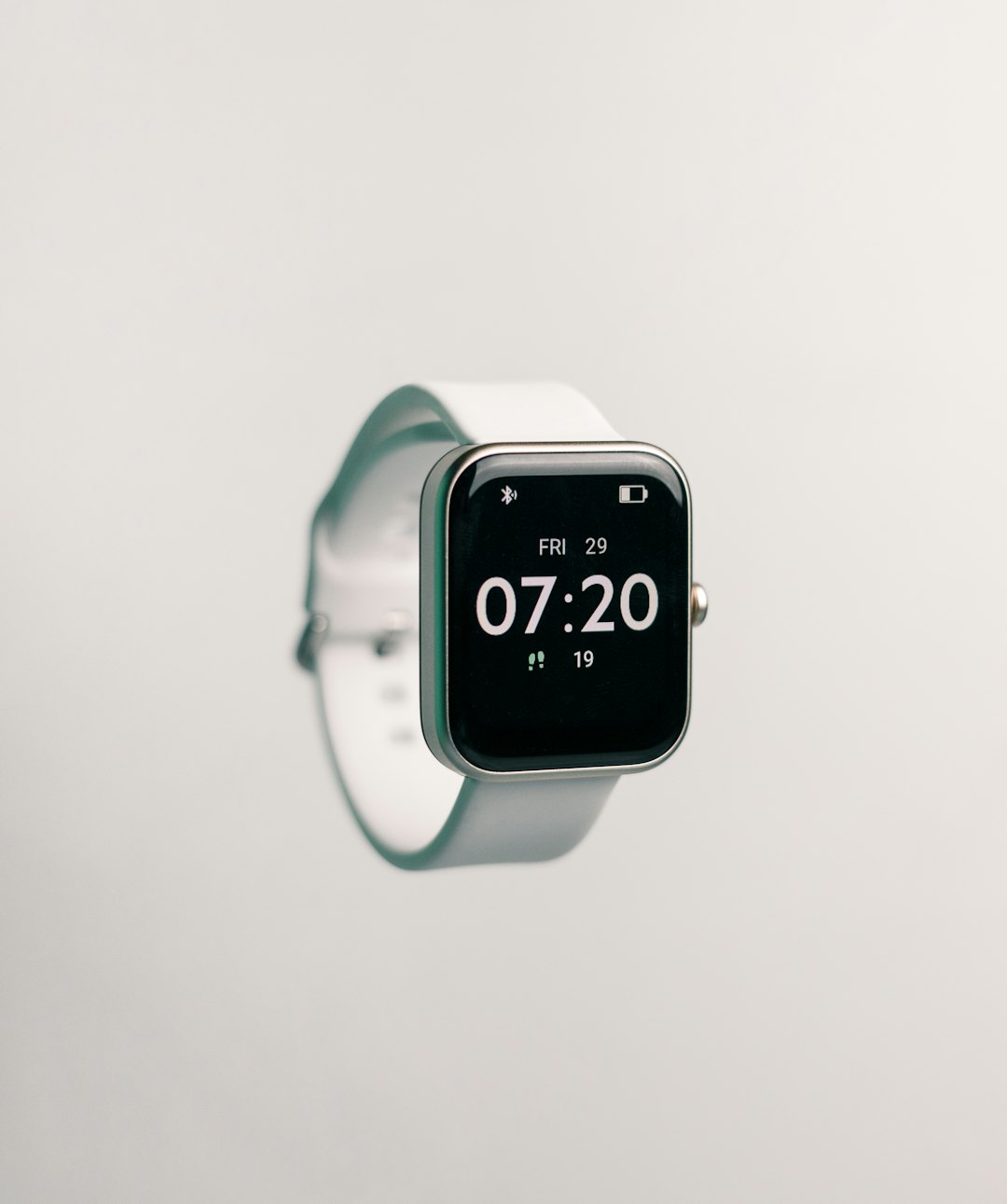
For fitness, both watches track common activities such as running, walking, cycling, swimming, strength training, and high-intensity workouts. Apple tends to offer a more polished and motivational fitness experience, especially with Apple Fitness Plus. Samsung provides more health data variety, particularly for users interested in body composition and detailed sleep coaching.
Accuracy can vary based on body type, activity, fit, and sensor generation. In general, Apple Watch models are often praised for reliable heart rate and workout tracking. Samsung has improved significantly, especially in recent models, but Apple still tends to be viewed as the more consistent fitness tracker overall.
Battery Life
Battery life is one area where Samsung often has an advantage, though results depend on the specific model and usage. Standard Apple Watch models typically last about a day, often around 18 hours under normal use. Low Power Mode can extend battery life, but many users still charge the watch daily.
Samsung Galaxy Watch models can often last longer, especially larger versions with bigger batteries. Some models may reach two days or more with moderate use, although features like always-on display, GPS workouts, sleep tracking, and LTE can reduce battery life significantly.
The Apple Watch Ultra line improves Apple’s battery performance and can last much longer than the regular models, especially in low power settings. However, for standard models, Samsung generally offers better everyday battery flexibility. Those who dislike daily charging may prefer a Galaxy Watch, while those already used to charging Apple devices each night may not find the Apple Watch battery limiting.
Apps and Ecosystem
The Apple Watch has one of the strongest smartwatch app ecosystems. Many popular apps support watchOS, and Apple’s own apps are well optimized. Notifications, messaging, calls, Apple Pay, music controls, smart home features, and calendar functions work extremely well. For iPhone owners, the Apple Watch feels like a natural extension of the phone.
The Galaxy Watch benefits from Wear OS and the Google Play Store. This gives access to apps such as Spotify, WhatsApp, Strava, Google Maps, YouTube Music, Google Keep, and more. Samsung’s watches also work well with Galaxy Buds, Samsung phones, and SmartThings devices.
Apple’s ecosystem is more closed but more seamless. Samsung’s ecosystem is more open but sometimes less consistent across different Android phones. For users already invested in Apple devices, the Apple Watch is hard to beat. For Android users, especially those using Samsung phones, the Galaxy Watch is the obvious choice.
Notifications, Calls, and Messaging
Both watches handle notifications well. The Apple Watch excels with iMessage, phone calls, app alerts, and quick replies. Siri can be used for dictation, reminders, timers, and simple commands. The keyboard and voice input are both useful on supported models.
Samsung Galaxy Watch models also support calls, notifications, voice replies, and app interactions. Android users can respond to messages from many apps, use Google Assistant, and manage notifications effectively. Galaxy Watches with LTE can operate more independently from a phone, similar to cellular Apple Watch models.
For communication, Apple Watch is better for iPhone users because of iMessage and FaceTime audio integration. Galaxy Watch is better for Android users because it supports Android notification actions more naturally.
Customization and Style
Samsung has a strong advantage in customization. Galaxy Watch users can choose from many watch faces, layouts, widgets, colors, and straps. The round design also pairs well with traditional watch faces, making the device look more like a classic timepiece.
Apple also offers many bands, watch faces, and complications, but the customization is more controlled. Apple’s watch faces are polished and useful, yet users cannot install fully custom third-party faces in the same open way available on some competing platforms.
Those who want a simple, elegant, curated experience may prefer Apple. Those who enjoy changing styles, layouts, and watch faces frequently may prefer Samsung.
Price and Value
Both Apple and Samsung offer multiple price points. The Apple Watch SE provides a more affordable entry into the Apple Watch ecosystem, while the main Series models offer more advanced sensors and premium features. The Apple Watch Ultra is significantly more expensive and targets athletes, adventurers, and users who want the most durable Apple wearable.
Samsung Galaxy Watch models are often competitively priced, and discounts are common. Samsung also offers different sizes, Bluetooth and LTE versions, and premium variants. In many cases, Galaxy Watches provide strong value for Android users, especially when bundled with Samsung phones or offered through trade-in deals.
Apple Watches tend to hold resale value well and receive long software support. Samsung Watches may offer more frequent discounts, making them attractive for budget-conscious Android users. The best value depends on the phone already owned and whether the buyer wants premium health tools, LTE, rugged design, or basic smartwatch functions.
Which Is Better for iPhone Users?
For iPhone users, the Apple Watch is clearly the better choice. It is designed specifically for iOS and offers features that no Galaxy Watch can fully match on an iPhone. Setup is simple, notifications are reliable, Apple Pay works smoothly, and health data syncs directly with Apple Health.
The Apple Watch also benefits from iMessage, Apple Fitness Plus, Find My, Siri, and seamless integration with AirPods and other Apple devices. Since modern Galaxy Watch models do not support iPhones, the practical answer is straightforward: iPhone owners should choose an Apple Watch.
Which Is Better for Android Users?
For Android users, the Samsung Galaxy Watch is the better option. It works well with Android phones and especially well with Samsung Galaxy smartphones. Android users gain access to Google services, Samsung Health, customizable watch faces, and strong notification support.
An Apple Watch is not a realistic option for Android users because it requires an iPhone for setup and daily use. Therefore, the Galaxy Watch wins by default for Android buyers, while also delivering a premium smartwatch experience in its own right.
Final Verdict
The Apple Watch is better for those who use an iPhone and want the smoothest, most polished smartwatch experience available. It offers excellent health tracking, reliable fitness features, strong app support, and unmatched integration with Apple’s ecosystem. Its main drawbacks are limited compatibility, shorter battery life on regular models, and less customization compared with Samsung.
The Samsung Galaxy Watch is better for Android users who want a stylish, capable, and customizable smartwatch. It offers strong health features, attractive round designs, Google app support, and often better battery life. Its main limitations are that some features work best with Samsung phones, and the overall experience can be slightly less seamless than Apple’s tightly integrated system.
Ultimately, the better smartwatch is not decided by hardware alone. It is decided by ecosystem. Apple Watch is the best smartwatch for iPhone users, while Samsung Galaxy Watch is the best smartwatch for most Android users. For anyone choosing between the two, the phone in their pocket is the most important factor.
FAQ
- Is the Apple Watch better than the Samsung Galaxy Watch?
- The Apple Watch is better for iPhone users because it integrates deeply with iOS. The Samsung Galaxy Watch is better for Android users, especially those with Samsung phones.
- Can a Samsung Galaxy Watch work with an iPhone?
- Modern Samsung Galaxy Watch models running Wear OS do not work with iPhones. They are designed for Android devices.
- Can an Apple Watch work with an Android phone?
- No. An Apple Watch requires an iPhone for setup and regular use, so it is not suitable for Android users.
- Which watch has better battery life?
- Samsung Galaxy Watch models often have better battery life than standard Apple Watch models. However, the Apple Watch Ultra offers much stronger battery performance than regular Apple Watch versions.
- Which smartwatch is better for fitness tracking?
- The Apple Watch is often considered more consistent for workout and heart rate tracking. The Samsung Galaxy Watch also performs well and adds useful features such as body composition analysis.
- Which smartwatch has better apps?
- The Apple Watch has a very polished app ecosystem for iPhone users. The Samsung Galaxy Watch benefits from Wear OS and Google Play apps, making it strong for Android users.
- Which watch is better for customization?
- The Samsung Galaxy Watch generally offers more customization, especially with watch faces and interface options. The Apple Watch provides a more curated and controlled experience.
- Which one should most people buy?
- Most iPhone users should buy an Apple Watch. Most Android users should buy a Samsung Galaxy Watch or another Wear OS smartwatch.