Procurement Automation Platforms That Help You Improve Purchasing Efficiency
4 min read
In an increasingly competitive and cost-conscious marketplace, organizations cannot afford inefficiencies in their purchasing processes. Manual purchase orders, scattered supplier communications, and fragmented approval workflows lead to delays, errors, and unnecessary costs. Procurement automation platforms are designed to eliminate these inefficiencies by digitizing, standardizing, and optimizing the entire purchasing lifecycle—from requisition to payment.
TLDR: Procurement automation platforms streamline purchasing by digitizing approvals, supplier management, and invoice processing. They reduce manual errors, cut cycle times, improve compliance, and enhance spend visibility. By integrating with ERP systems and using data analytics, these tools enable better decision-making and cost control. Choosing the right platform depends on company size, integration needs, and budget.
Modern procurement departments are no longer seen as purely administrative. They play a strategic role in cost optimization and risk management. Leveraging automation platforms allows procurement teams to move from reactive purchasing to proactive value creation.
What Is a Procurement Automation Platform?
A procurement automation platform is software that digitizes and automates procurement activities, including:
- Purchase requisitions and approvals
- Supplier onboarding and management
- Purchase order generation
- Invoice matching and processing
- Spend analysis and reporting
By centralizing these processes, organizations gain transparency, control, and measurable efficiency improvements. Automation reduces administrative workload while improving compliance with internal policies and external regulations.
Key Benefits of Procurement Automation
1. Faster Approval Cycles
Manual approval processes often involve email chains and paper documentation, creating bottlenecks. Automation platforms route purchase requests instantly to the appropriate approvers based on predefined rules. Escalations, reminders, and digital signatures significantly reduce cycle times.
2. Improved Cost Control
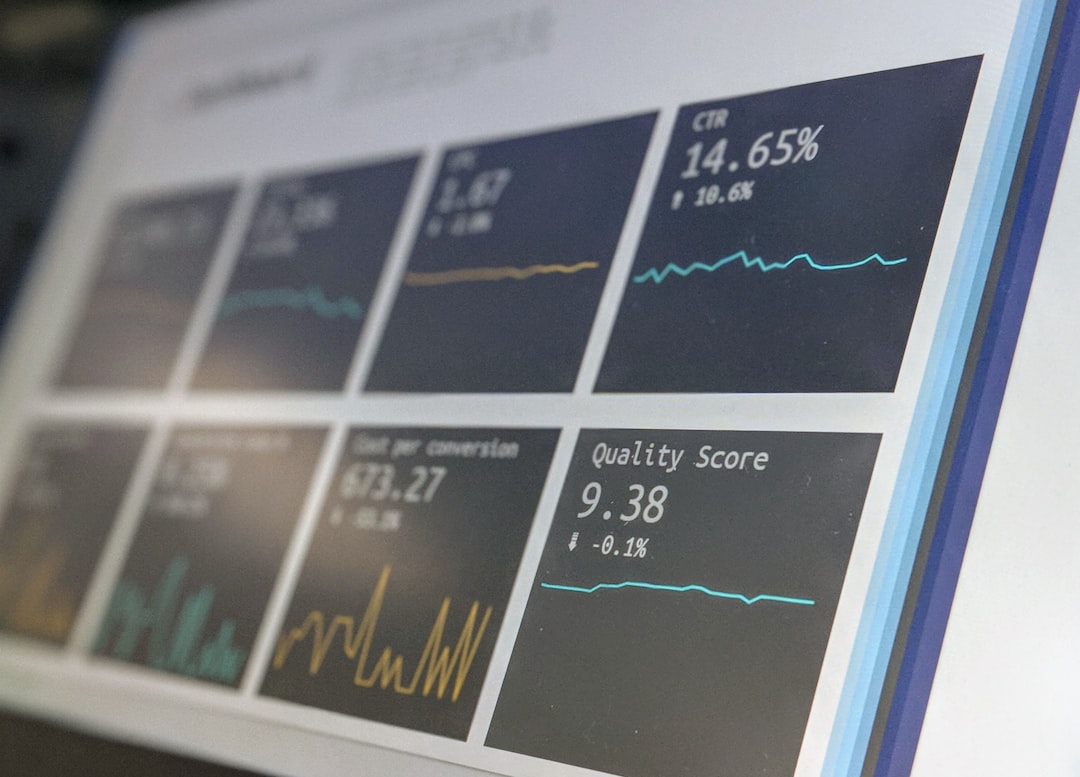
Automated systems provide real-time visibility into spending patterns. Procurement teams can:
- Identify maverick spending
- Enforce negotiated supplier contracts
- Monitor budget compliance
- Leverage volume discounts
This data-driven approach minimizes unnecessary expenditures and supports more informed negotiation strategies.
3. Enhanced Accuracy and Reduced Errors
Manual data entry increases the likelihood of duplicate payments, incorrect invoices, and mismatched purchase orders. Automation platforms implement three-way matching (purchase order, receipt, invoice) to ensure payment accuracy.
4. Greater Transparency and Audit Readiness
All transactions and approvals are timestamped and archived digitally. This audit trail simplifies compliance checks and reduces preparation time during financial audits.
5. Stronger Supplier Relationships
Supplier portals allow vendors to update information, submit invoices, and track payment status, improving communication and building trust.
Core Features to Look For
When evaluating procurement automation platforms, organizations should prioritize features that align with strategic goals.
- Customizable approval workflows
- ERP and accounting system integration
- Automated invoice capture using OCR
- Supplier risk assessment tools
- Advanced reporting and analytics
- Mobile accessibility
Scalability is also critical. A platform must support growth without extensive system overhauls.
Leading Procurement Automation Platforms
The following platforms are widely recognized for improving purchasing efficiency across industries.
1. SAP Ariba
- Comprehensive spend management suite
- Strong supplier network integration
- Advanced analytics capabilities
- Best suited for large enterprises
2. Coupa
- Cloud-native spend management platform
- User-friendly interface
- Robust compliance controls
- Suitable for mid-size to large organizations
3. Oracle Procurement Cloud
- Integrated with Oracle ERP systems
- Automated sourcing and contract management
- Global compliance support
4. Jaggaer
- Strong sourcing and supplier lifecycle management
- Configurable workflows
- Industry-specific solutions
5. Procurify
- Designed for small to mid-sized companies
- Intuitive interface
- Budget tracking and purchase order automation
Comparison Chart
| Platform | Best For | Key Strength | Integration Capabilities | Scalability |
|---|---|---|---|---|
| SAP Ariba | Large enterprises | Global supplier network | Strong ERP integration | Very High |
| Coupa | Mid to large companies | User-friendly spend visibility | Extensive API support | High |
| Oracle Procurement Cloud | Oracle ERP users | Seamless Oracle ecosystem support | Native Oracle integration | Very High |
| Jaggaer | Strategic sourcing teams | Advanced sourcing tools | Configurable connectors | High |
| Procurify | SMEs | Ease of implementation | QuickBooks, ERP integrations | Moderate |
Implementation Considerations
Adopting procurement automation is not simply a technical upgrade; it requires organizational alignment. A successful implementation strategy includes:
- Process mapping: Documenting existing workflows to identify inefficiencies.
- Stakeholder engagement: Involving finance, IT, and department heads early in the process.
- Data migration planning: Ensuring supplier and transaction data is clean and accurate.
- Training programs: Empowering users to adopt new systems confidently.
Resistance to change can delay or undermine the benefits of automation. Clear communication of expected improvements—such as reduced processing times and improved reporting—helps foster buy-in.
How Automation Improves Purchasing Efficiency
Efficiency improvements occur at multiple points in the procurement lifecycle:
Requisition Stage
Automation standardizes request submissions through digital forms and predefined categories. This eliminates incomplete or unclear requests.
Approval Stage
Rule-based routing ensures the correct approvers are notified immediately. Automatic reminders keep requests from stagnating.
Ordering Stage
Purchase orders are generated automatically once approvals are complete. Many platforms transmit orders directly to suppliers, reducing manual communication.
Invoice and Payment Stage
Automated matching and validation significantly reduce discrepancies. Early payment discounts are easier to capture thanks to shortened processing times.

Quantifying the Return on Investment
Organizations typically experience measurable improvements within the first year of adoption:
- Reduction in purchase order processing time by up to 50%
- Decrease in invoice processing costs by 30–60%
- Improved contract compliance rates
- Lower risk of duplicate or fraudulent payments
Beyond cost savings, efficiency gains free procurement teams to focus on strategic sourcing, supplier negotiations, and risk management initiatives.
Future Trends in Procurement Automation
Emerging technologies are further enhancing automation capabilities:
- Artificial intelligence: Predictive analytics for demand forecasting and supplier risk scoring.
- Machine learning: Continuous improvement in invoice recognition accuracy.
- Blockchain: Greater transparency in supply chain verification.
- Robotic process automation: Handling repetitive administrative tasks.
As procurement becomes more data-driven, automation platforms will increasingly serve as strategic intelligence hubs rather than transactional tools.
Conclusion
Procurement automation platforms play a critical role in improving purchasing efficiency, reducing operational risk, and enhancing financial control. By digitizing workflows, enforcing compliance, and delivering actionable insights, these systems enable organizations to transition from manual, reactive procurement processes to streamlined, data-informed operations.
Choosing the right solution requires careful evaluation of organizational size, integration requirements, and long-term strategic objectives. When implemented effectively, procurement automation is not merely a technical upgrade—it is a structural improvement that strengthens operational resilience and supports sustainable growth.
For organizations seeking measurable cost savings and process optimization, procurement automation platforms represent a reliable and forward-looking investment.