4 Expense Management Apps That Help You Control Budgets Better
5 min read
Keeping track of where your money goes each month can feel overwhelming. Between subscriptions, groceries, loan payments, and spontaneous purchases, expenses often slip through the cracks before you even notice. Fortunately, modern expense management apps are designed to simplify budgeting, give you real-time insights, and help you regain control of your finances. Whether you want to save more, eliminate debt, or simply understand your spending habits better, the right app can make all the difference.
TL;DR: Expense management apps make budgeting easier by tracking spending, categorizing expenses, and offering real-time insights. Apps like Mint, YNAB, PocketGuard, and Goodbudget provide different approaches—from zero-based budgeting to envelope systems. Choosing the right one depends on your financial goals and preferred level of involvement. The right tool can help you reduce overspending, plan smarter, and build long-term financial security.
Below, we explore four powerful expense management apps that help you control your budget better, along with their key features, strengths, and ideal users.
1. Mint – Best for Automatic Budget Tracking
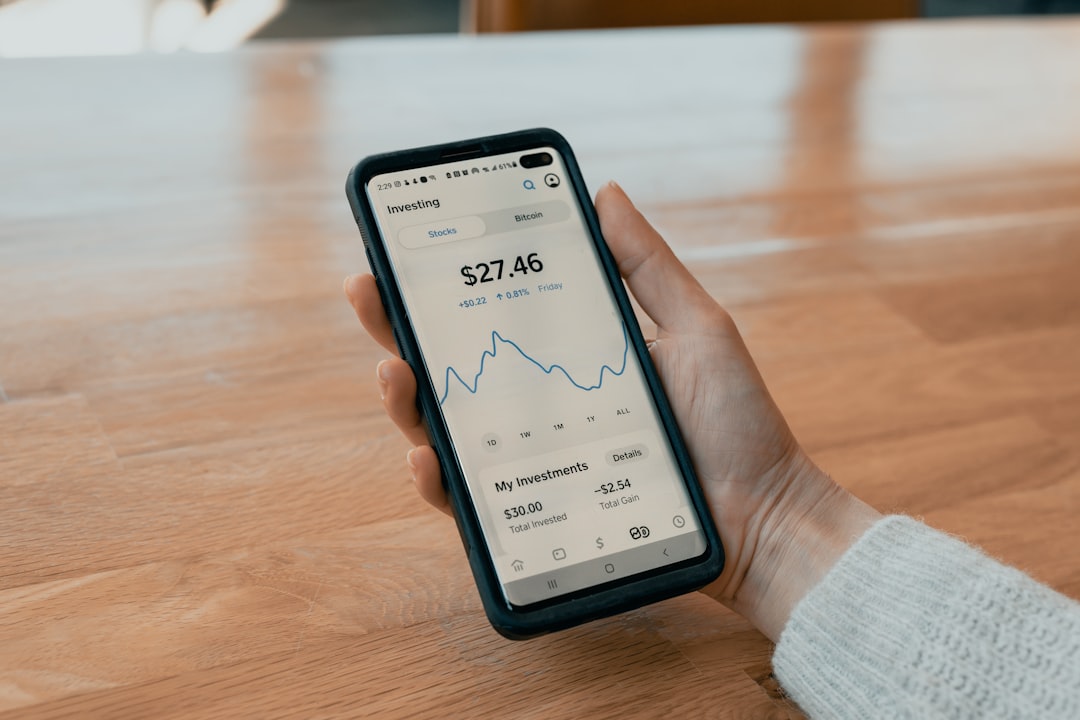
Mint is one of the most well-known budgeting apps—and for good reason. It connects directly to your bank accounts, credit cards, and bills to automatically categorize transactions and provide a comprehensive view of your finances in one dashboard.
Key Features
- Automatic transaction categorization
- Bill reminders and alerts
- Free credit score monitoring
- Customizable budget categories
- Spending trend visualization
Why it works: Mint eliminates much of the manual work involved in budgeting. Its automation makes it ideal for people who want hands-off tracking while still maintaining clarity on where their money goes.
Best for: Beginners and busy professionals who prefer automatic expense tracking without frequent manual input.
Mint’s strength lies in its simplicity. Its color-coded charts and email alerts help users quickly identify overspending categories. If you are someone who struggles with consistently logging expenses, Mint’s automation can be a game changer.
2. YNAB (You Need A Budget) – Best for Intentional Budgeting
YNAB takes a proactive approach to budgeting. Unlike apps that simply track what you’ve already spent, YNAB encourages you to assign every dollar a job before you spend it. This is known as the zero-based budgeting method.

Key Features
- Zero-based budgeting framework
- Goal tracking for savings and debt payoff
- Real-time syncing across devices
- Detailed financial education resources
- Reports on spending trends and net worth
Why it works: YNAB shifts your mindset from reactive spending to intentional allocation. Before the month begins, you decide exactly how much each category gets—rent, groceries, entertainment, savings, and more.
Best for: Individuals serious about breaking the paycheck-to-paycheck cycle or aggressively paying down debt.
Although YNAB requires more involvement than apps like Mint, it offers powerful long-term benefits. Many users report building emergency funds and paying off thousands in debt after adopting the system. If you enjoy hands-on financial planning, YNAB gives you the structure you need.
3. PocketGuard – Best for Preventing Overspending
PocketGuard focuses on a simple but powerful question: How much money do I actually have available to spend? By analyzing your income, recurring bills, and savings goals, it calculates what it calls “In My Pocket” money—how much remains for discretionary spending.
Key Features
- Automatic bank syncing
- “In My Pocket” spending limit feature
- Subscription tracking
- Bill negotiation assistance
- Spending categorization and insights
Why it works: PocketGuard simplifies budgeting into a single, actionable number. Instead of juggling dozens of categories, you quickly see how much you can safely spend.
Best for: People prone to impulse buying who need clear daily or weekly spending limits.
PocketGuard is particularly helpful for managing subscriptions—a growing expense category for many users. It identifies recurring payments and highlights where you might save money by canceling unused services.
4. Goodbudget – Best for Envelope Budgeting Fans
Goodbudget revives the classic envelope budgeting system in digital form. Traditionally, people divide cash into envelopes labeled for different categories like groceries or transportation. Once the envelope is empty, spending in that category stops.

Key Features
- Digital envelope allocation
- Manual expense entry
- Shared household budget syncing
- Debt tracking features
- Spending and savings reports
Why it works: Goodbudget creates strong spending discipline. By setting fixed envelope amounts, users avoid overspending and gain greater awareness of their financial limits.
Best for: Couples or families who want a shared, structured budgeting system.
Unlike apps that rely heavily on automation, Goodbudget encourages manual entry. While this requires effort, it helps users become more mindful of each transaction. For many, that awareness is exactly what improves spending habits.
Comparison Chart: Which App Is Right for You?
| App | Budgeting Style | Automation Level | Best For | Price Model |
|---|---|---|---|---|
| Mint | Traditional category budgeting | High | Hands-off tracking | Free |
| YNAB | Zero-based budgeting | Moderate | Debt payoff and savings goals | Paid subscription |
| PocketGuard | Available spending calculation | High | Controlling impulse spending | Free & premium options |
| Goodbudget | Envelope budgeting | Low to moderate | Shared household budgeting | Free & premium options |
How to Choose the Right Expense Management App
With several excellent options available, your ideal choice depends on your financial personality and goals. Here are a few considerations:
- If you value automation: Choose Mint or PocketGuard.
- If you want total control and planning: YNAB is highly effective.
- If you prefer structured limits: Try Goodbudget’s envelope system.
- If you’re focused on debt freedom: YNAB’s goal-oriented approach shines.
- If you share finances with a partner: Goodbudget offers seamless syncing.
It’s also important to consider your tolerance for manual input. Apps that require active participation often produce stronger behavioral changes, while automated tools offer convenience and time savings.
The Real Benefits of Using a Budgeting App
Beyond tracking daily expenses, these apps offer several long-term advantages:
- Improved financial awareness: Clear data reveals spending patterns.
- Reduced stress: Knowing your budget limits prevents uncertainty.
- Better savings habits: Goal tracking increases accountability.
- Faster debt repayment: Strategic allocation accelerates payoff plans.
- Stronger financial communication: Shared apps improve transparency in households.
Budgeting is not about restriction—it’s about direction. When you tell your money where to go, you eliminate much of the anxiety associated with finances.
Final Thoughts
Controlling your budget doesn’t require advanced financial knowledge—it requires consistency, visibility, and the right tools. Expense management apps like Mint, YNAB, PocketGuard, and Goodbudget provide structured systems that turn financial chaos into clarity.
Whether you prefer a hands-off, automated experience or a more disciplined, manual system, there’s an app tailored to your style. The key is to choose one, commit to using it regularly, and align it with your long-term goals.
When you understand your spending, you gain control. And when you gain control, you create the freedom to spend intentionally, save confidently, and build a future that reflects your priorities—not just your paychecks.