Time Code Transcription Services Compared
9 min read
Time code transcription has become essential for teams that work with audio and video: filmmakers, legal professionals, journalists, researchers, educators, podcasters, and corporate media departments. Unlike a plain transcript, a time coded transcript links spoken words to precise moments in the recording, making it easier to edit, review, quote, subtitle, archive, and search content efficiently.
TLDR: Time code transcription services differ mainly in accuracy, turnaround time, formatting options, confidentiality, and price. Automated services are fast and affordable, while human transcription is usually more accurate for complex audio. The best choice depends on whether you need rough reference notes, video editing support, legal documentation, captions, or publish-ready transcripts.
What Is Time Code Transcription?
Time code transcription is the process of transcribing spoken content while inserting timestamps at specific intervals or speaker changes. These timestamps act like location markers, helping users jump directly to relevant sections of an audio or video file.
For example, a transcript might include a timestamp every 30 seconds:
- [00:00:30] Interviewer: Can you describe how the project began?
- [00:01:00] Speaker: We started with a small research team…
Or it may use timestamps at every speaker change, which is especially useful in interviews, documentaries, depositions, and focus groups. Some services also support burned in video time codes, where the timestamps match the visible time code on screen rather than the media file’s natural playback time.
Why Time Codes Matter
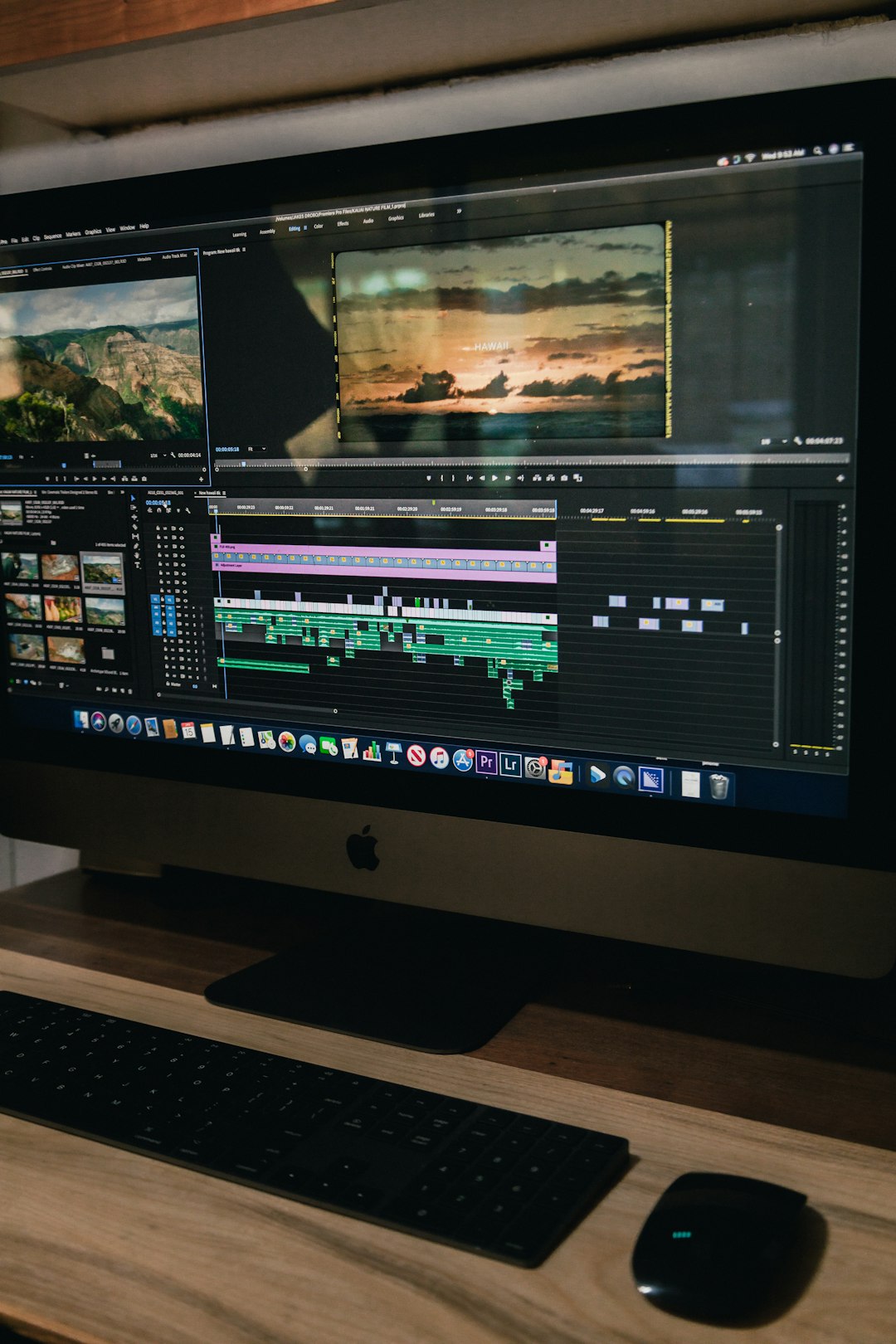
Time codes turn a transcript from a static document into a navigation tool. Instead of scanning through pages of text or scrubbing through a video manually, users can locate exact moments in seconds.
This is valuable in many fields:
- Video production: Editors can find quotes, scenes, and sound bites quickly.
- Journalism: Reporters can verify statements and pull accurate quotes from interviews.
- Legal work: Attorneys can reference testimony and evidence with precision.
- Academic research: Researchers can code interviews and compare responses more easily.
- Podcasting: Producers can create show notes, clips, and searchable archives.
- Accessibility: Time coded transcripts can support captioning and subtitling workflows.
Main Types of Time Code Transcription Services
When comparing time code transcription providers, it helps to understand the three major categories: automated transcription, human transcription, and hybrid transcription.
1. Automated Time Code Transcription
Automated services use speech recognition software to generate transcripts quickly. Most modern platforms can produce a transcript with timestamps in minutes, depending on file length and processing speed.
Best for: rough drafts, internal notes, searchable archives, fast content review, and low-budget projects.
Advantages:
- Very fast turnaround, often within minutes
- Lower cost than human transcription
- Easy upload and export options
- Useful for clean audio with one or two speakers
Limitations:
- Lower accuracy with background noise, accents, overlapping speech, or technical terms
- Speaker labels may be unreliable
- May require significant editing before publication
- Not ideal for legal, medical, or highly sensitive documentation without review
Automated time code transcription is attractive because it is quick and inexpensive. However, users should treat it as a starting point rather than a final deliverable when accuracy matters.
2. Human Time Code Transcription
Human transcription services rely on trained transcriptionists who listen to the recording, type the transcript, identify speakers, and insert timestamps according to the client’s instructions. This option is generally more accurate, especially for difficult recordings.
Best for: legal proceedings, documentaries, academic interviews, market research, medical content, multilingual recordings, and publish-ready transcripts.
Advantages:
- Higher accuracy than automated transcription
- Better handling of accents, crosstalk, poor audio, and industry terminology
- More reliable speaker identification
- Custom formatting and timestamp placement
- Optional verbatim or clean-read transcription styles
Limitations:
- More expensive than automated services
- Longer turnaround times
- Quality can vary between providers and individual transcriptionists
Human transcription is usually the better choice when the transcript will be used as a formal record, shared externally, quoted publicly, or turned into subtitles. It is also preferred when the audio contains multiple speakers or specialized vocabulary.
3. Hybrid Time Code Transcription
Hybrid services combine automated speech recognition with human editing. The software creates the first draft, and a human editor reviews the transcript for accuracy, formatting, timestamps, and speaker labels.
Best for: teams that want a balance of speed, cost, and quality.
Advantages:
- Faster than full human transcription
- More accurate than raw automated output
- Usually more affordable than traditional manual transcription
- Good for business, media, and educational content
Limitations:
- May still struggle with very poor audio
- Not always as precise as fully human transcription
- Quality depends heavily on the editing process
Hybrid transcription is often a practical middle ground. It is especially useful for recurring content, such as webinars, training videos, podcasts, and recorded meetings.
Timestamp Options: What to Compare
Not all time codes are the same. Before choosing a service, confirm exactly how the provider handles timestamp placement. A transcript that is time coded every five minutes will serve a very different purpose from one that is time coded every sentence.
Common timestamp options include:
- Periodic timestamps: Inserted at regular intervals, such as every 15 seconds, 30 seconds, one minute, or five minutes.
- Speaker change timestamps: Added whenever a new speaker begins talking.
- Paragraph timestamps: Placed at the start of each paragraph or new thought.
- Inaudible timestamps: Used to mark unclear words or sections, such as [inaudible 00:12:44].
- Burned in time code matching: Matches the visible time code embedded in a video file.
- Caption style timing: Breaks text into smaller timed segments suitable for subtitles or captions.
If the transcript is for video editing, speaker change timestamps or frequent periodic timestamps are usually helpful. If the transcript is for legal review, every speaker change and inaudible section should be marked carefully. If the transcript is for captioning, timing must be much more precise and segmented for readability.
Accuracy: The Most Important Comparison Point
Accuracy is the first thing most buyers care about, and for good reason. A transcript that is fast but filled with errors can waste more time than it saves.
Several factors affect transcription accuracy:
- Audio quality: Clear recordings produce better transcripts.
- Speaker count: More speakers generally increase complexity.
- Accents and dialects: Human transcriptionists often handle these better than automated tools.
- Background noise: Cafes, conference rooms, outdoor settings, and machinery can reduce accuracy.
- Technical vocabulary: Legal, medical, financial, academic, and scientific terms need careful handling.
- Overlapping speech: Crosstalk is difficult for both software and humans, but trained transcribers usually perform better.
For simple recordings, automated services may be accurate enough. For complex recordings, human or hybrid services are usually worth the extra cost.
Turnaround Time: Speed Versus Precision
Turnaround time can range from a few minutes to several days. Automated services are the fastest, while human transcription takes longer because someone must listen carefully and type or edit the text.
A typical comparison looks like this:
- Automated transcription: Minutes to one hour
- Hybrid transcription: Several hours to one business day
- Human transcription: One to five business days, depending on length and complexity
- Rush human transcription: Same day or next day, often with added fees
Speed is important, but it should not be considered in isolation. If the transcript is needed only for internal review, automated output may be perfectly acceptable. If it will be used in a courtroom, documentary script, published article, or academic archive, precision matters more than speed.
Pricing Models and Hidden Costs
Most time code transcription services charge by the audio or video minute. Pricing can vary widely depending on the method, turnaround time, audio quality, and formatting requirements.
Common pricing factors include:
- Base rate per minute: The standard cost for transcription.
- Time code interval: More frequent timestamps may cost extra.
- Verbatim transcription: Capturing every filler word, false start, and interruption can increase cost.
- Rush delivery: Faster turnaround typically adds a surcharge.
- Poor audio fee: Difficult recordings may cost more.
- Multiple speakers: Complex speaker identification may raise the price.
- Special formatting: Legal, research, or caption-ready formats may involve additional fees.
Automated services are usually the cheapest, sometimes costing only a small amount per minute or being included in a subscription. Human transcription costs more but may reduce the time spent correcting errors. The real question is not simply “Which service is cheapest?” but “Which service gives me the best usable transcript for the total time and money spent?”
Formatting and Export Options
A good service should let you export transcripts in formats that fit your workflow. Common file types include DOCX, TXT, PDF, SRT, VTT, CSV, and sometimes editing software formats.
For general reading, DOCX or PDF is convenient. For captions, SRT or VTT is essential. For data analysis, CSV may be useful. For video post-production, compatibility with editing platforms can save hours of manual work.
Also compare whether the provider offers:
- Custom speaker labels
- Verbatim and clean-read options
- Paragraph formatting
- Searchable online transcript editors
- Collaborative commenting
- Caption export
- Translation or multilingual support
Security and Confidentiality
Security matters whenever recordings contain private, legal, medical, financial, or proprietary information. Before uploading sensitive files, review the provider’s confidentiality policies and data handling practices.
Important questions include:
- Are files encrypted during upload and storage?
- Does the company offer nondisclosure agreements?
- Who has access to the recordings?
- How long are files stored after completion?
- Can you request deletion of files and transcripts?
- Are transcriptionists vetted or bound by confidentiality terms?
For highly sensitive material, human transcription can be safe if the provider has strong security controls. However, not every service offers the same level of protection, so it is worth checking carefully before placing an order.

Comparing Services by Use Case
The best time code transcription service depends on what you are trying to accomplish. Here is a practical comparison by scenario:
- For video editors: Choose a service with frequent timestamps, speaker labels, and export formats that support editing workflows.
- For legal teams: Prioritize human transcription, confidentiality, verbatim accuracy, and precise time code references.
- For researchers: Look for speaker identification, clean formatting, timestamped inaudibles, and consistent labeling across interviews.
- For podcasters: Automated or hybrid transcription may be enough for show notes, SEO content, and episode archives.
- For journalists: Accuracy and fast turnaround are both important; hybrid services can be a strong option.
- For captioning: Select a provider that exports SRT or VTT and understands caption timing, line breaks, and readability.
Human Versus Automated: Which Is Better?
There is no universal winner. Automated transcription wins on speed and price. Human transcription wins on accuracy, nuance, and reliability. Hybrid transcription sits between the two, offering a useful balance for many professional workflows.
If your audio is clear, your budget is limited, and you only need a searchable reference, automated transcription may be the smartest choice. If your recording is complex or the transcript must be accurate enough to publish, cite, or submit formally, human transcription is usually better. If you need a dependable transcript quickly without paying premium manual rates, hybrid transcription is often the most efficient compromise.
How to Choose the Right Provider
Before selecting a time code transcription service, consider the following checklist:
- Define the purpose: Is the transcript for editing, legal review, research, captions, or internal notes?
- Check timestamp options: Make sure the provider supports the interval or style you need.
- Review accuracy expectations: Match the service type to your audio complexity.
- Compare turnaround times: Choose realistic delivery based on urgency.
- Look at export formats: Confirm compatibility with your workflow.
- Assess security: Especially for confidential recordings.
- Calculate total cost: Include rush fees, timestamp fees, and editing time.
- Test with a short file: A small sample can reveal quality before committing to a large project.
Final Thoughts
Time code transcription services are not all built for the same user. Some are designed for speed, some for affordability, some for professional accuracy, and some for specialized workflows like legal documentation or video captioning. The most effective comparison starts with your intended use: a rough transcript for internal search does not require the same level of detail as a court-ready record or subtitle file.
In the end, the best service is the one that gives you usable, accurate, well-timed text in the format you need, at a price and speed that make sense. By comparing accuracy, timestamp style, turnaround time, pricing, security, and export options, you can choose a transcription solution that saves time instead of creating more work.