Will Foil Block RFID? Testing the Effectiveness of DIY RFID Protection
8 min read
RFID protection sounds like something from a spy movie: a wallet lined with mysterious shielding, a passport sleeve that promises privacy, or a piece of kitchen foil wrapped around a credit card before a trip. But the question is surprisingly practical: will foil block RFID, and if so, how well does it compare with commercial RFID-blocking products?
TLDR: Yes, aluminum foil can block many common RFID signals, especially the 13.56 MHz signals used by contactless payment cards and passports, if it fully surrounds the card with minimal gaps. However, foil protection is inconsistent because tears, openings, folds, and poor coverage can allow signals through. For occasional use, a DIY foil sleeve can work; for daily convenience and durability, a purpose-built RFID-blocking wallet or sleeve is usually better.
What RFID Actually Is
RFID stands for Radio Frequency Identification. It is a technology that uses radio waves to identify and exchange data with small electronic tags. These tags can be embedded in access cards, transit passes, passports, inventory labels, library books, pet microchips, and contactless credit or debit cards.
The basic system has two parts:
- A reader: This sends out a radio signal and listens for a response.
- A tag or card: This receives energy from the reader and sends back stored information.
Many everyday RFID items, such as contactless bank cards, do not contain a battery. Instead, they are powered by the reader’s electromagnetic field. When the card is close enough, the tiny antenna inside it collects energy, wakes up the chip, and enables communication.
Why People Worry About RFID Skimming
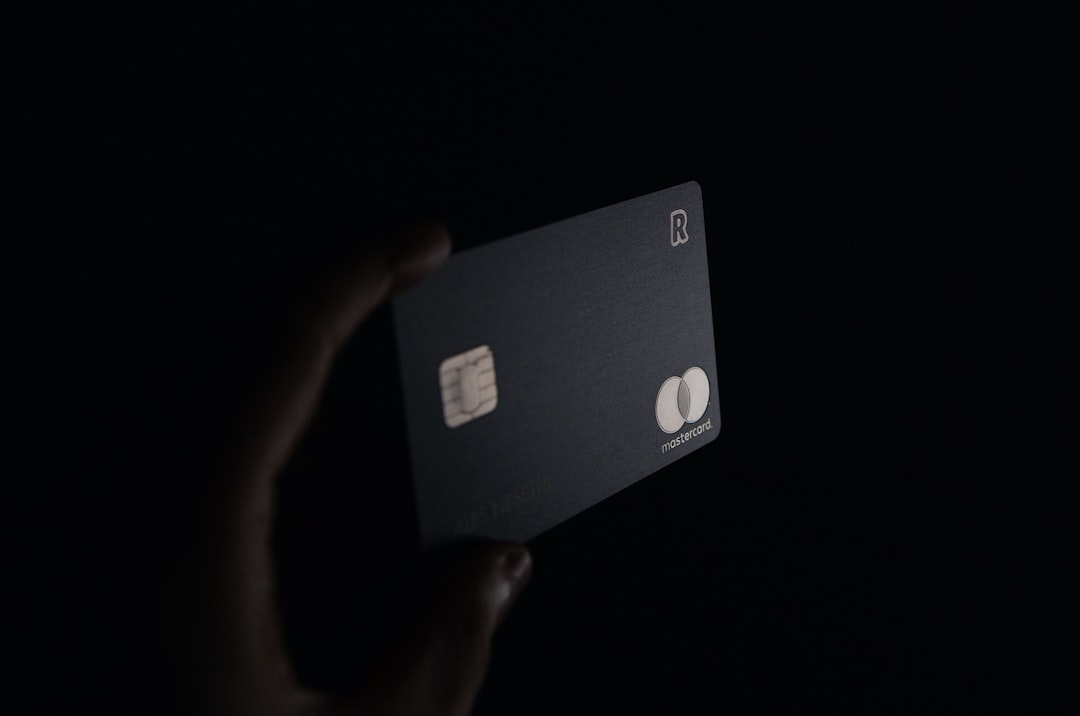
The common fear is RFID skimming, where someone with a hidden reader tries to scan a card or passport without permission. In theory, if a reader gets close enough, it may be able to trigger a response from an RFID-enabled item in your pocket or bag.
In practice, the risk varies. Contactless payment cards use security features such as encryption, transaction limits, dynamic codes, and fraud monitoring. A criminal cannot usually copy a modern card simply by walking past you with a scanner. However, some older or simpler RFID systems may reveal more information than they should. Access badges, hotel key cards, and certain identification systems can be more vulnerable depending on how they are designed.
So while the average person does not need to panic, it is reasonable to ask whether a cheap DIY shield, like aluminum foil, can reduce unwanted scanning.
How Foil Blocks RFID Signals
Aluminum foil works because it is conductive. When radio waves hit a conductive material, the electromagnetic energy is reflected, absorbed, or redirected. If the foil forms a reasonably complete enclosure around an RFID card, it behaves somewhat like a simple Faraday cage.
A Faraday cage is a conductive barrier that blocks electromagnetic fields. It does not need to be thick. In many cases, a thin conductive layer is enough, provided it is continuous and properly positioned.
That is the key detail: coverage matters more than thickness. A huge sheet of foil with a wide opening may perform worse than a carefully folded small sleeve. RFID signals can sneak through gaps, especially if the card’s antenna is exposed near an edge.
Different RFID Frequencies Behave Differently
Not all RFID is the same. The effectiveness of foil depends partly on the frequency being blocked.
- Low frequency RFID: Often around 125 kHz or 134 kHz, used in things like pet microchips and some access systems. These signals are magnetic-field based and can be harder to block with thin foil alone.
- High frequency RFID and NFC: Usually 13.56 MHz, used in contactless payment cards, passports, and many smartphones. Foil often blocks these quite effectively when coverage is complete.
- Ultra high frequency RFID: Typically used in inventory tracking, toll systems, and logistics. Foil can block or disrupt these signals, but orientation and gaps can make a difference.
For most people asking about foil and RFID, the real concern is NFC-style contactless cards. Those are generally among the easier types to shield with foil.
A Simple DIY RFID Foil Test
You can test foil shielding at home using a contactless card and an NFC-enabled smartphone, assuming your phone can read compatible NFC tags. Some payment cards may not reveal information to phone apps, but transit cards, NFC tags, and certain access cards may be detectable.
Here is a basic experiment:
- Open an NFC reader app on your phone.
- Hold the card against the phone and confirm that it is detected.
- Place one layer of aluminum foil between the card and phone.
- Try scanning again.
- Fold foil around the card like a sleeve and test from multiple angles.
- Leave a small gap or exposed edge and test again.
Most people find that a flat sheet of foil between the phone and card reduces or blocks detection when positioned well. A folded sleeve usually works better. But if the card is only partly covered, detection may still happen, especially when the exposed edge is close to the reader.
What Happens When You Use One Layer of Foil?
A single layer of ordinary kitchen foil is often enough to stop a contactless card from being read at normal close range. This surprises people because the material seems flimsy. But shielding is not about physical strength; it is about conductivity and continuity.
However, a single layer has weaknesses. It tears easily. It develops wrinkles and holes. It can shift around inside a wallet. If you wrap multiple cards together, the edges may become exposed. If you only put foil on one side, the card may still communicate from another direction.
That is why many DIY tests show mixed results. One person says foil works perfectly, while another says their card still scans. Both can be right: the difference is usually how the foil is arranged.
Foil Sleeve vs. Foil Lining
There are two common DIY approaches: making a sleeve or lining a wallet.
A foil sleeve is simple. You fold foil around a card, ideally with paper or tape on the outside to prevent tearing. The sleeve should cover both faces and all edges, leaving only a small opening where the card slides out. This is generally the most effective DIY option.
A foil-lined wallet is more convenient but less predictable. If the foil does not cover the entire pocket, or if the wallet opens in a way that exposes the card, shielding may be incomplete. Metal objects, other cards, and the wallet’s shape can also affect performance.
If you want to make a better DIY sleeve, place the foil between two sheets of paper or thin plastic, then tape the edges. This creates a sturdier barrier while reducing the chance of rips. Avoid leaving large seams open along the sides.
Testing Against a Payment Terminal
Some people test foil by wrapping a contactless card and trying it at a payment terminal. This can be informative, but it is not always ideal. Payment terminals vary in power, sensitivity, antenna shape, and software behavior. Also, holding up a line while experimenting with foil is not exactly popular.
A safer method is to use a phone-based NFC test first. If the phone cannot detect the card through your foil sleeve from any angle, that is a strong sign the sleeve is working against similar close-range readers. It is not a laboratory-grade test, but it is useful for everyday evaluation.
For more careful testing, try scanning from the front, back, top edge, bottom edge, and corners. Move slowly. If detection only happens at one corner, you have found a weak point in your DIY shield.
Does More Foil Mean Better Protection?
Adding a second layer can improve reliability, especially if the first layer has wrinkles, pinholes, or weak seams. But after one or two layers, extra foil usually provides diminishing returns for 13.56 MHz cards. A neat, complete enclosure is more important than a thick, messy one.
Think of it like rain protection. A thin raincoat with sealed seams works better than three sweaters full of holes. In the same way, a carefully made foil sleeve can outperform a bulky wrap with open edges.
Limitations of DIY Foil Protection
Foil can work, but it is not perfect. The biggest limitations are durability, usability, and consistency.
- Durability: Kitchen foil crumples, tears, and wears out quickly with daily use.
- Convenience: Removing a card from a homemade sleeve every time you pay can be annoying.
- Appearance: A foil-wrapped card may look odd or unprofessional.
- False confidence: A poorly made shield may seem protective while still allowing scans through gaps.
- Frequency differences: Foil may not block every RFID system equally well.
Foil Compared With RFID-Blocking Wallets
Commercial RFID-blocking wallets and sleeves typically use conductive fabrics, metallic layers, or specially designed shielding materials. Good ones are built to survive bending, friction, and daily handling. They are also designed to cover the card in a predictable way.
That does not mean every product labeled “RFID blocking” is excellent. Some are better than others, and testing is still worthwhile. But in general, a reputable RFID-blocking sleeve is more practical than kitchen foil if you want long-term protection.
Foil is best seen as a quick experiment or temporary solution. It is cheap, easy to find, and surprisingly effective when used correctly. But it is not elegant, and it may fail after enough wear.
Do You Really Need RFID Protection?
The honest answer is: maybe, but probably not as urgently as advertisements suggest. Contactless payment systems are designed with security in mind, and most financial fraud does not happen through someone secretly scanning a card in a crowd. Phishing, stolen card numbers, weak passwords, and compromised online accounts are far more common threats.
Still, RFID protection can make sense in certain situations. If you carry access badges, travel frequently, use older contactless cards, or simply prefer a privacy-first approach, shielding is a small extra precaution. It can also prevent accidental card reads, such as tapping the wrong transit card or having multiple contactless cards interfere with one another.
Practical Tips for Better DIY RFID Blocking
If you want to use foil, make it as reliable as possible:
- Cover the front, back, and edges of the card.
- Use paper, tape, or thin plastic to protect the foil from tearing.
- Test the sleeve with an NFC phone app from multiple angles.
- Replace the foil if it becomes ripped or heavily worn.
- Do not assume a foil-lined wallet works unless you test it.
The Verdict: Will Foil Block RFID?
Yes, foil can block RFID, especially the high-frequency RFID and NFC signals used by many contactless cards and passports. A well-made foil sleeve can stop a card from being detected by a nearby reader, and even a single layer may be enough under the right conditions.
But foil is not magic. Its effectiveness depends on full coverage, minimal gaps, and the type of RFID signal involved. For a quick DIY shield, it works better than many people expect. For everyday use, a durable RFID-blocking sleeve or wallet is usually the smarter choice.
In the end, the best lesson from testing foil is simple: RFID protection is less about buying something expensive and more about understanding how signals behave. If the conductive barrier fully surrounds the card and holds up over time, it can be effective. If it is torn, open, or poorly placed, even the shiniest foil will not help much.