Leaked Data Credit Card: Risks, Detection, and Protection Steps
8 min read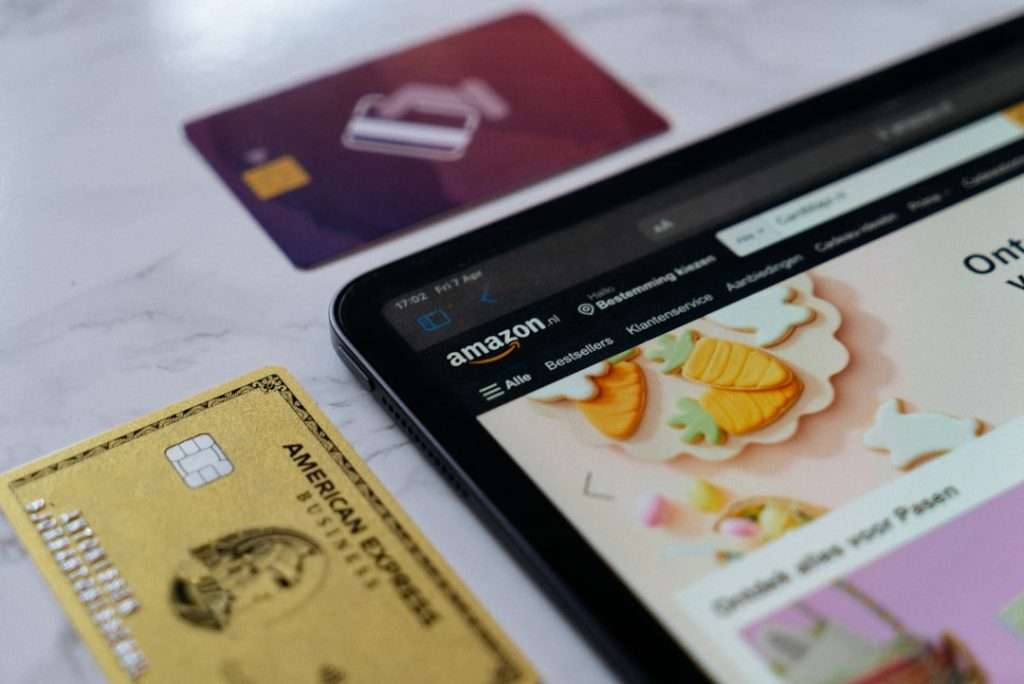
Credit card leaks have become a regular headline, but the real impact is personal: a strange charge on your statement, a declined card while traveling, or a warning email from a store you barely remember using. When credit card data is leaked, it may pass through hidden marketplaces, automated fraud tools, and phishing campaigns before the cardholder notices anything is wrong. Understanding how leaked card data is used, how to detect warning signs, and what steps to take can help you react quickly and reduce damage.
TLDR: A leaked credit card can expose you to fraudulent purchases, identity theft attempts, and targeted scams. Watch for unfamiliar charges, bank alerts, data breach notices, and suspicious messages pretending to be from financial institutions. If you suspect your card is compromised, freeze or cancel it, dispute unauthorized transactions, change related passwords, and strengthen account security with alerts and multifactor authentication.
What Does “Leaked Credit Card Data” Mean?
A leaked credit card refers to payment card information that has been exposed without authorization. This may include the card number, expiration date, cardholder name, billing address, CVV code, phone number, email address, or account login details connected to an online store or banking app.
Not every leak contains the same information. Some breaches expose only partial card numbers, while others include enough data for immediate fraud. In more serious cases, attackers also obtain passwords, security questions, or personal details that can be used for identity theft or social engineering.
Credit card data may be leaked through:
- Retail breaches involving online stores, restaurants, hotels, or point of sale systems.
- Phishing attacks where users are tricked into entering card details on fake websites.
- Malware on personal devices or business systems that captures payment information.
- Accidental exposure through insecure databases, misconfigured cloud storage, or poor internal controls.
- Card skimmers installed on ATMs, fuel pumps, or compromised checkout pages.
Once exposed, card data may be sold, traded, or bundled with other personal information. Criminals often test cards with small purchases before attempting larger transactions, which is why even a tiny unfamiliar charge should not be ignored.

The Main Risks of a Leaked Credit Card
The most obvious risk is unauthorized spending. Fraudsters may use stolen card information to buy electronics, gift cards, travel bookings, digital subscriptions, or items that can be quickly resold. However, the damage can go beyond one fraudulent purchase.
1. Financial Loss and Disputes
Credit cards typically offer stronger fraud protection than debit cards, but unauthorized charges still create stress and inconvenience. You may need to dispute transactions, wait for a replacement card, update billing information for subscriptions, and monitor future statements closely.
2. Account Takeover
If a leak includes your email address, password, or account credentials, attackers may try to log in to shopping accounts, payment apps, or banking portals. This is especially dangerous if you reuse passwords. One compromised password can open the door to multiple accounts.
3. Identity Theft Attempts
Credit card data may be combined with other leaked personal information, such as your name, address, phone number, date of birth, or government identification details. This can support attempts to open new accounts, apply for loans, redirect mail, or impersonate you during customer support calls.
4. Targeted Phishing
After a credit card leak, criminals may send convincing messages that appear to come from your bank, a payment processor, or a well-known merchant. These messages may claim that your card is blocked, your payment failed, or your account needs verification. The goal is to make you click a malicious link or reveal more information.
5. Subscription and Billing Disruption
When you cancel a compromised card, legitimate services may stop working. Streaming platforms, cloud storage, phone bills, insurance payments, and business tools may all rely on the old card. While this is usually manageable, it can become frustrating if you depend on automatic payments.
How to Detect If Your Credit Card Data Has Been Leaked
Detection depends on a combination of bank tools, personal monitoring, and awareness. The sooner you spot suspicious activity, the easier it is to limit the impact.
Check Your Statements Regularly
Review transactions at least once a week, not just at the end of the month. Look for unfamiliar merchant names, repeated small charges, foreign currency payments, or purchases made at unusual times. Fraudulent transactions are not always large; criminals often start with amounts under a few dollars to see whether the card works.
Turn On Transaction Alerts
Most banks and credit card issuers allow you to enable alerts for purchases, online transactions, international charges, cash advances, or spending above a certain amount. These alerts can arrive by push notification, text message, or email. Real time alerts are one of the simplest and most effective detection tools.
Watch for Breach Notifications
Companies may notify customers if payment data was exposed in a breach. Take these notices seriously, even if you do not see suspicious activity yet. A breach notification does not always mean your card has already been used, but it does mean the risk has increased.
Use Credit Monitoring and Dark Web Alerts
Some banks, identity protection services, and security tools monitor for exposed personal information. These services may alert you if your email address, password, or payment data appears in known breach databases or criminal forums. While no tool can scan the entire internet, these alerts can provide useful early warnings.
Recognize Suspicious Messages
If you receive an urgent message claiming your card is locked or a payment has failed, do not click links immediately. Instead, open your banking app directly or type the official website address into your browser. Fraudsters often create fake login pages that look almost identical to real banking websites.
What to Do Immediately If Your Card Is Leaked
If you suspect your credit card information has been exposed, act quickly. A calm, organized response can prevent a small issue from becoming a larger one.
- Freeze or lock the card. Many card issuers let you temporarily lock the card through a mobile app. This can stop new transactions while you investigate.
- Contact your card issuer. Report suspected fraud or exposure. Ask whether the card should be canceled and replaced.
- Dispute unauthorized charges. Identify every suspicious transaction and follow your issuer’s dispute process.
- Change passwords. Update passwords for any accounts connected to the card, especially shopping sites, payment apps, and email accounts.
- Enable multifactor authentication. Add an extra verification step wherever possible, such as an authentication app, security key, or one time code.
- Review saved payment methods. Remove the compromised card from websites, apps, digital wallets, and subscription services.
- Monitor your credit reports. Look for unfamiliar accounts, hard inquiries, or address changes.
If the leak involves more than card information, such as your Social Security number or other national identification data, consider placing a fraud alert or credit freeze with the appropriate credit reporting agencies in your country. A credit freeze can make it harder for criminals to open new accounts in your name.
How to Protect Yourself Before a Leak Happens
Prevention is not about eliminating risk completely; that is unrealistic in a world where even major companies can suffer breaches. The goal is to reduce exposure, limit damage, and make fraud easier to detect.
Use Strong, Unique Passwords
Every financial, shopping, and email account should have a unique password. If one retailer is breached, a reused password should not give attackers access to your bank or email. A reputable password manager can create and store complex passwords so you do not have to remember them all.
Enable Multifactor Authentication
Multifactor authentication, often called MFA or 2FA, adds another layer of security. Even if someone obtains your password, they may not be able to log in without the second factor. Authentication apps and hardware security keys are generally safer than text message codes, though any MFA is better than none.
Be Careful Where You Save Card Details
It is convenient to save your card on every website, but each saved card is another potential point of exposure. Consider saving payment details only with merchants you use frequently and trust. For one time purchases, entering the card manually may be safer.
Use Virtual Cards When Available
Some banks and payment providers offer virtual card numbers. These are temporary or merchant specific card numbers tied to your real account. If a virtual card is leaked, you can often cancel it without replacing your main card. This is especially useful for online shopping, trials, and subscriptions.
Avoid Public Wi Fi for Payments
Public Wi Fi networks in airports, hotels, and cafes can be risky, especially if they are unsecured or impersonated by attackers. Avoid entering payment details on public networks unless you use a trusted VPN and verify that the website uses secure HTTPS encryption.
Keep Devices Updated
Security updates patch vulnerabilities that attackers may exploit. Keep your phone, computer, browser, banking apps, and antivirus tools up to date. Also avoid installing unknown browser extensions, as some can monitor your activity or capture sensitive data.
Special Tips for Businesses Handling Credit Card Data
Businesses have a responsibility to protect customer payment information. A card data breach can damage customer trust, trigger legal obligations, and lead to expensive recovery efforts. Any organization that accepts cards should follow payment security standards, limit data collection, and work with trusted payment processors.
Important business practices include:
- Do not store card data unless absolutely necessary. Use tokenization and secure payment gateways instead.
- Follow PCI DSS requirements. These standards are designed to protect cardholder data.
- Restrict employee access. Only authorized staff should access payment systems.
- Monitor systems for unusual activity. Logs and alerts can help detect intrusions early.
- Train employees to recognize phishing. Many breaches begin with a deceptive email or fake login page.
- Prepare an incident response plan. Know who to contact, how to contain exposure, and how to notify affected customers.
Common Myths About Leaked Credit Cards
Myth one: “Small charges do not matter.” In reality, small charges may be test transactions. Ignoring them gives criminals more time to use the card.
Myth two: “My chip card cannot be compromised.” Chip cards improve in person transaction security, but online card not present fraud can still occur if the card number and other details are exposed.
Myth three: “Only careless people get hacked.” Even cautious users can be affected by merchant breaches, payment processor incidents, or large scale data leaks. Security is shared between consumers, businesses, banks, and technology providers.
Final Thoughts
A leaked credit card is not just a payment problem; it is a signal to review your broader digital security. The best defense combines fast detection, quick response, and smarter habits. Turn on alerts, use unique passwords, enable multifactor authentication, and treat suspicious messages with caution.
If your card is compromised, do not panic. Lock the card, contact your issuer, dispute fraudulent charges, and update any affected accounts. With the right steps, most card leaks can be contained before they cause lasting harm. In a world where data breaches are increasingly common, being prepared is one of the most practical forms of financial protection.