What Is WGAR? Meaning, History, and Uses Explained
5 min read
In an era defined by rapid digital transformation and expanding wireless infrastructure, acronyms often emerge that carry technical, regulatory, and strategic importance. One such term is WGAR. While not always widely understood outside specialized fields, WGAR plays a meaningful role in discussions around wireless communication, regulatory frameworks, and spectrum management. Understanding what WGAR means, where it comes from, and how it is applied today is essential for professionals working in telecommunications, networking, and policy development.
TLDR: WGAR generally refers to a regulatory or technical framework connected to wireless access and radio spectrum allocation. Its meaning can vary depending on context, but it typically involves governance, authorization, or regional spectrum management. Historically, WGAR emerged alongside the expansion of wireless broadband and structured spectrum policies. Today, it is used in regulatory discussions, compliance planning, and wireless infrastructure development.
What Is WGAR?
WGAR most commonly stands for Wireless Governance and Allocation Regulation or a similar variation depending on the jurisdiction or technical body using the term. In practice, it refers to regulatory or procedural frameworks that oversee how wireless spectrum is distributed, licensed, and managed.
Wireless spectrum is a finite resource. Governments and regulatory authorities must allocate specific frequency bands for uses such as:
- Mobile telecommunications (4G, 5G, emerging 6G technologies)
- Broadcast services (radio and television)
- Satellite communications
- Military and defense applications
- Emergency and public safety systems
WGAR structures provide the governance mechanisms that make this distribution orderly and enforceable.
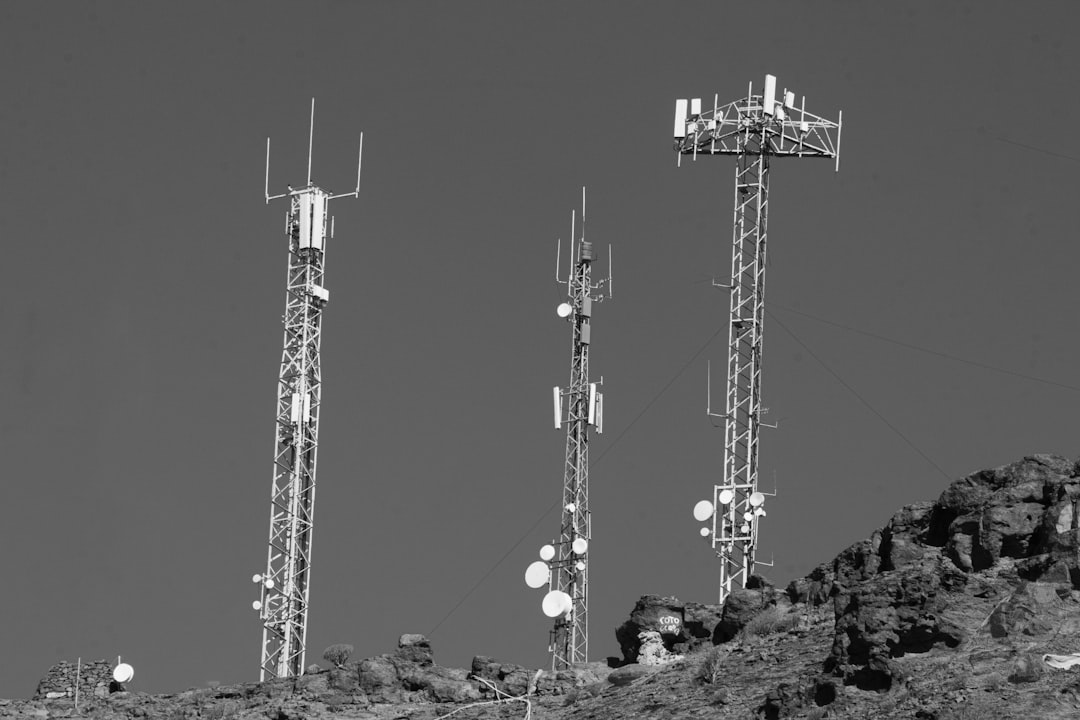
Without coordinated regulatory systems, spectrum interference would dramatically reduce reliability and performance. WGAR-type frameworks ensure that different services operate within designated frequency bands, power limits, and geographic restrictions.
The Historical Development of WGAR
The roots of WGAR-type regulation date back to the early 20th century, when radio communication first became commercially and strategically important. Governments quickly recognized that unregulated transmission caused interference, disrupting both civilian and military communications.
Several milestones shaped the evolution of what we now associate with WGAR:
1. Early Radio Acts
In the 1910s and 1920s, national governments enacted radio legislation to control signal interference and assign broadcasting frequencies. These early acts laid the groundwork for structured allocation systems.
2. Establishment of Regulatory Bodies
Authorities such as the Federal Communications Commission (FCC) in the United States and similar institutions worldwide formalized spectrum allocation processes. These bodies developed policies resembling what we now describe conceptually as WGAR frameworks.
3. Expansion During the Mobile Era
The introduction of cellular technology in the 1980s and 1990s significantly increased demand for spectrum. Auctions, licensing procedures, and structured allocation became more sophisticated. WGAR-style regulatory governance became critical to balancing commercial demand with public interest.
4. The Broadband Revolution
The explosion of wireless internet, Wi-Fi, and broadband services further complicated spectrum management. Regulators had to coordinate:
- Licensed vs. unlicensed bands
- Public vs. private operators
- National vs. international harmonization
Modern WGAR principles now integrate licensing models, technical standards, compliance audits, and international coordination.
Core Principles Behind WGAR
Although terminology may vary by country or organization, WGAR systems generally operate on several foundational principles:
Orderly Allocation
Spectrum is divided into bands assigned for specific use cases. This prevents overlap and interference.
Licensing and Authorization
Operators must secure formal authorization to transmit on designated frequencies, particularly for commercial services.
Technical Standards Compliance
Equipment must comply with emission limits, bandwidth restrictions, and safety guidelines.
Enforcement and Monitoring
Regulators actively monitor transmissions and impose penalties for violations.
International Coordination
Wireless signals cross borders. Coordination through international bodies ensures compatibility and reduced cross-border interference.
Image not found in postmetaThese principles create stability in wireless markets and preserve equitable access to communication infrastructure.
Different Contexts Where WGAR Is Used
The meaning and usage of WGAR may shift depending on the technical, regulatory, or corporate context. Below are some of the most common scenarios.
1. Telecommunications Policy
Policy analysts and regulatory professionals use WGAR terminology when discussing legislative reforms, auction frameworks, and spectrum reallocation programs. This is especially relevant in the rollout of next-generation networks.
2. Network Deployment Planning
Telecommunications companies must align infrastructure development with WGAR rules. Compliance ensures that:
- Base stations operate within approved power levels
- Frequency bands are used exactly as licensed
- Cross-band interference is minimized
Failure to comply can result in fines, license revocation, or service shutdowns.
3. Public Safety and Defense Coordination
Critical emergency systems rely on protected spectrum bands. WGAR frameworks ensure that commercial use does not interfere with police, fire, medical, or defense communications.
4. Rural Broadband Expansion
Governments often modify allocation rules to promote connectivity in underserved regions. WGAR policies facilitate secondary spectrum markets, shared access systems, and dynamic spectrum allocation.
WGAR and Spectrum Auctions
One of the most visible applications of WGAR principles is the spectrum auction process. In many countries, valuable frequency bands are assigned through competitive bidding. This approach:
- Generates public revenue
- Encourages efficient spectrum use
- Promotes marketplace competition
However, auctions must be carefully designed. WGAR-style regulatory oversight ensures transparency, fairness, and anti-collusion protections.
For example, 5G spectrum auctions around the world have involved billions of dollars in bids. Regulatory authorities carefully balanced speed of deployment with long-term competitive stability.
Technical Aspects of WGAR Implementation
Beyond policy considerations, WGAR frameworks depend on precise technical parameters. Regulators specify:
- Frequency ranges (measured in MHz or GHz)
- Maximum transmission power limits
- Geographic coverage zones
- Out-of-band emission limits
- Equipment certification requirements
Engineers must design hardware and infrastructure around these constraints. Implementation errors can result in interference disputes or forced reconfiguration.

As wireless technologies evolve, technical rules must also adapt. This dynamic regulatory evolution is central to modern WGAR systems.
Benefits of WGAR Frameworks
While regulatory systems can appear complex, WGAR delivers substantial societal and economic benefits.
1. Reduced Signal Interference
Clear allocation prevents overlapping transmissions.
2. Economic Stability
Licensing certainty encourages long-term infrastructure investment.
3. Market Competition
Structured auctions and allocations prevent monopolization.
4. Protection of Critical Services
Emergency communications remain shielded from consumer network congestion.
5. Innovation Enablement
By establishing predictable regulatory conditions, WGAR enables development of new wireless technologies.
Challenges and Criticisms
No regulatory framework is without critique. WGAR-style governance faces several ongoing challenges:
- Spectrum scarcity: Demand is growing faster than available frequency space.
- Bureaucratic delay: Regulatory processes can slow innovation.
- High auction costs: Excessive bidding prices may burden consumers.
- International inconsistency: Differing rules across borders complicate global device manufacturing.
Emerging approaches, such as dynamic spectrum sharing, decentralized authorization databases, and AI-powered spectrum monitoring, aim to address these limitations.
WGAR in the Era of 5G and Beyond
The rollout of 5G—and eventual development of 6G—intensifies the importance of structured wireless governance. Higher frequencies, smaller coverage cells, and more complex network architectures require even tighter coordination.
Modern WGAR discussions increasingly focus on:
- Millimeter wave spectrum allocation
- Private enterprise networks
- Shared access licensing models
- Internet of Things spectrum demands
- Satellite broadband constellations
These shifts indicate that WGAR is not static. It evolves alongside technology, economic priorities, and global connectivity needs.
Conclusion
WGAR represents more than a technical acronym—it embodies the structured governance mechanisms that make modern wireless communication possible. From early radio legislation to contemporary 5G auctions, WGAR-type frameworks ensure that spectrum usage remains orderly, fair, and technically sound.
By establishing allocation rules, enforcement mechanisms, and licensing protocols, WGAR supports economic growth, fosters innovation, and protects essential public services. As global reliance on wireless connectivity increases, the importance of well-designed regulatory governance will only grow.
Understanding WGAR—its meaning, historical evolution, and practical uses—provides valuable insight into the invisible systems that power our increasingly connected world.