Custom T-Shirt Printing with Heat Transfer Vinyl, DTF Printer, and T-Shirt Press
5 min read
Custom t-shirt printing has evolved from a hobbyist craft into a thriving business model powered by accessible technology and creative freedom. Whether for small businesses, sports teams, events, or personal fashion statements, modern printing methods allow almost anyone to produce professional-quality apparel at home or in a production studio. Among the most popular methods are Heat Transfer Vinyl (HTV), DTF (Direct-to-Film) printing, and the t-shirt heat press machine that brings it all together.
TLDR: Custom t-shirt printing can be achieved using Heat Transfer Vinyl (HTV), DTF printers, and a quality t-shirt press. HTV is ideal for bold, simple designs and small runs, while DTF printing excels at full-color, detailed graphics and scalability. A reliable heat press ensures durability and professional results. Choosing the right method depends on budget, production volume, and design complexity.
Understanding the Core Technologies
Before selecting equipment or launching a custom apparel business, it is essential to understand how each method works and what makes them unique.
1. Heat Transfer Vinyl (HTV)
Heat Transfer Vinyl is a versatile material that is cut into shapes or lettering using a vinyl cutter and then pressed onto fabric using heat and pressure. It is widely used for personalized names, numbers, and simple graphics.
How it works:
- Create or import a vector design into cutting software.
- Cut the design from vinyl sheets.
- Weed out excess vinyl material.
- Heat press the remaining design onto fabric.
Advantages of HTV:
- Low startup cost.
- Excellent durability when applied correctly.
- Ideal for small batches and personalization.
- Wide range of colors and specialty finishes like glitter and metallic.
Limitations:
- Layering multiple colors can be time-consuming.
- Not ideal for highly detailed, photo-realistic designs.
2. DTF (Direct-to-Film) Printing
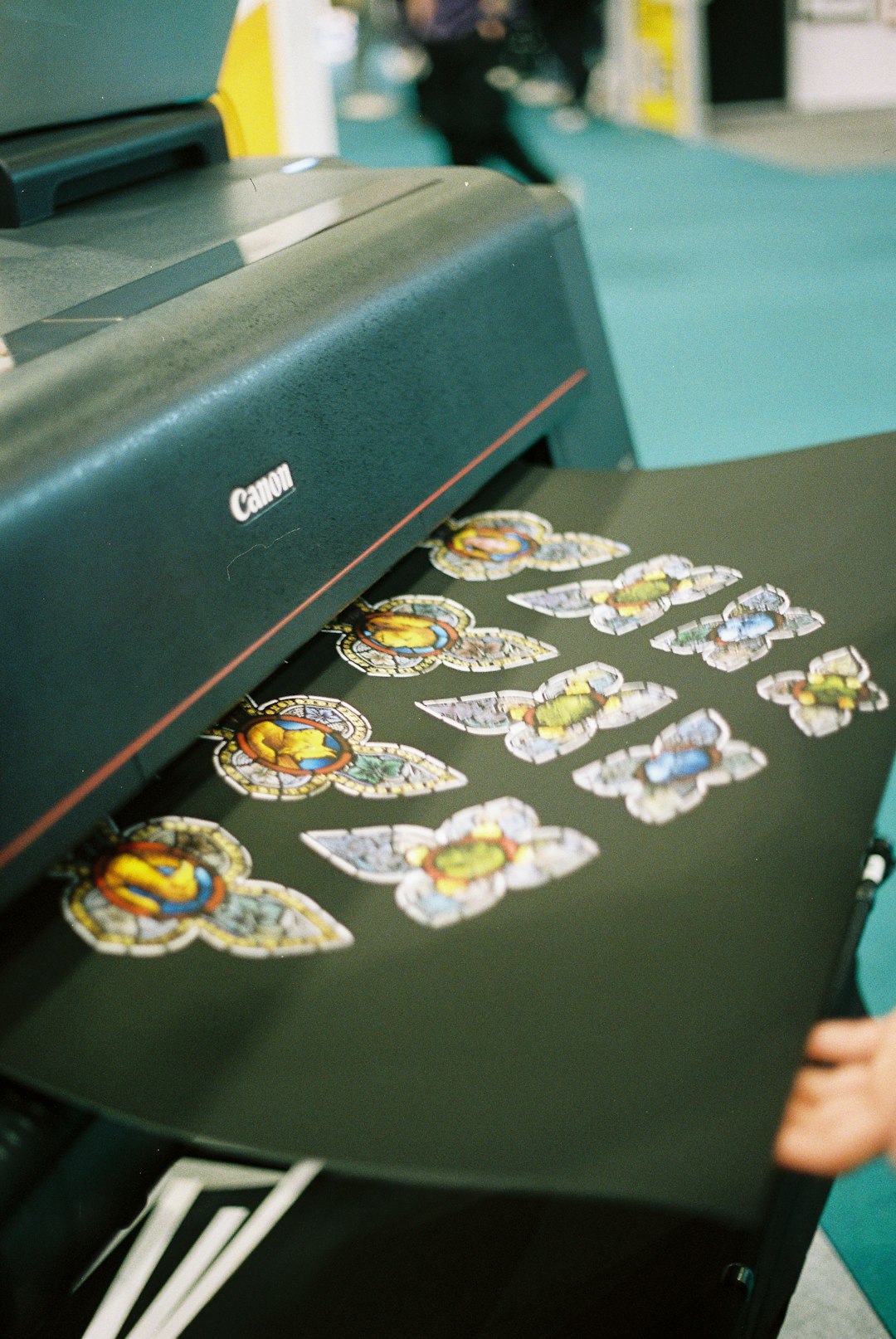
DTF printing is a newer technology that allows full-color designs to be printed onto a special film and then transferred to garments using adhesive powder and heat.
Image not found in postmetaHow it works:
- Print the design onto PET film using a DTF printer with specialized inks.
- Apply adhesive powder to the printed design.
- Cure the adhesive using heat.
- Transfer the design onto fabric using a heat press.
Advantages of DTF:
- Full-color, high-detail capability.
- Works on a wide variety of fabrics including cotton, polyester, and blends.
- Suitable for both light and dark garments.
- Efficient for larger production runs.
Limitations:
- Higher upfront investment.
- Requires maintenance and environmental control.
3. The T-Shirt Heat Press Machine
No matter the design method, a heat press is the backbone of the process. It applies the precise combination of heat, time, and pressure required to permanently bond designs to fabric.
Image not found in postmetaTypes of heat presses:
- Clamshell: Compact and space-saving.
- Swing-away: Offers more even pressure and workspace access.
- Drawer or slide-out: Enhanced safety and convenience.
Professional-quality results depend heavily on consistent temperature (usually between 300–325°F for HTV and DTF), correct pressure settings, and accurate pressing times.
Comparison Chart: HTV vs. DTF vs. Heat Press Role
| Feature | Heat Transfer Vinyl (HTV) | DTF Printing | Heat Press Machine |
|---|---|---|---|
| Cost of Entry | Low to Moderate | Moderate to High | Moderate |
| Best For | Simple designs, names, numbers | Full-color graphics, complex designs | Essential for both methods |
| Material Compatibility | Cotton, polyester, blends | Wide range of fabrics | Works with multiple transfer types |
| Production Volume | Small to medium runs | Medium to high runs | Supports all production sizes |
| Design Complexity | Limited layering | High detail capability | Not design-specific |
Choosing the Right Method
When determining which method to use, several key factors influence the decision:
- Budget: HTV is suitable for beginners, while DTF suits those ready to scale.
- Design Complexity: Photo-quality designs favor DTF.
- Order Size: Large, repeat orders benefit from DTF efficiency.
- Personalization Needs: HTV excels at customization like individual names.
Many successful businesses use a hybrid approach, leveraging HTV for specialty finishes and DTF for complex artwork.
Production Workflow Tips
To maintain consistent quality in custom t-shirt printing, structured workflows are essential.
Design Preparation
- Use high-resolution graphics (300 DPI).
- Convert text to outlines before printing.
- Mirror designs for HTV cutting.
Pressing Best Practices
- Pre-press garments to remove moisture.
- Use a pressing pillow for seams and zippers.
- Follow recommended temperature and time settings.
- Peel carrier sheets according to warm or cold instructions.
Consistency is key. Even minor deviations in pressure or temperature can affect adhesion and durability.
Durability and Washability
Customers expect custom apparel to last. Both HTV and DTF prints can endure dozens of wash cycles when properly applied.
Care instructions typically include:
- Turn garment inside out before washing.
- Wash in cold water.
- Avoid bleach.
- Tumble dry on low or air dry.
Proper curing and pressing techniques directly influence longevity. A commercial-grade press typically outperforms household irons in durability and finish.
Business Opportunities in Custom T-Shirt Printing
With relatively low startup capital compared to many industries, custom t-shirt printing offers attractive entry opportunities. Entrepreneurs often target:
- Local sports teams.
- Corporate merchandise.
- Schools and universities.
- E-commerce apparel brands.
- Special events and fundraisers.
DTF technology has particularly lowered the barrier to entry for full-color garment printing without requiring complex screen printing setups.
Profit margins vary depending on material cost and market positioning, but personalization and niche branding often yield higher returns.
Common Mistakes to Avoid
- Insufficient Pressure: Leads to peeling or cracking designs.
- Overheating: Causes discoloration or scorching.
- Poor Quality Blanks: Cheap shirts undermine premium prints.
- Neglecting Maintenance: DTF printers require routine cleaning.
Investing in proper training and testing materials before selling products can significantly reduce costly errors.
The Future of Custom Apparel Printing
As digital printing technology advances, DTF systems are becoming faster, more affordable, and more environmentally friendly. Meanwhile, specialty HTV materials continue to expand creative possibilities with textured, reflective, and color-changing effects.
Automation and workflow software integration are helping businesses streamline production and minimize manual labor. The combination of creative freedom and scalable technology ensures that custom t-shirt printing will remain a vibrant and growing industry.
Frequently Asked Questions (FAQ)
1. Which method is better for beginners, HTV or DTF?
HTV is generally better for beginners due to its lower startup cost and simpler workflow. It is ideal for small projects and personalization.
2. Can DTF prints crack or peel over time?
When properly cured and heat pressed, DTF prints are highly durable. Poor adhesion usually results from incorrect temperature, pressure, or curing.
3. Is a household iron sufficient instead of a heat press?
A household iron may work for small HTV projects, but it lacks consistent pressure and temperature control. A dedicated heat press ensures professional and long-lasting results.
4. What fabrics work best for HTV and DTF?
HTV works best on cotton and polyester blends. DTF is more versatile and can adhere to cotton, polyester, blends, and even some specialty fabrics.
5. How long does a custom t-shirt print last?
With proper application and care, prints can last 40–50 washes or more without significant fading or peeling.
6. Is DTF better than screen printing?
DTF is better for short runs, full-color designs, and design flexibility. Screen printing is often more economical for very large batches with limited colors.
7. How much investment is required to start?
An HTV setup can start with a few hundred dollars, while a complete DTF system may require several thousand dollars, depending on equipment scale.
Custom t-shirt printing using HTV, DTF printers, and a reliable heat press offers scalable, creative, and profitable opportunities. By understanding each technology’s strengths and applying disciplined production practices, individuals and businesses can achieve professional-quality results and build sustainable apparel brands.