Top 5 Key Features Of Goth AI And How People Are Using It For Creative Projects
5 min read
As artificial intelligence continues to reshape creative industries, niche AI platforms are carving out distinct identities that cater to specific aesthetics and communities. One such platform gaining attention is Goth AI, a tool designed to generate dark, moody, and gothic-inspired content for artists, writers, designers, and musicians. Rather than offering generic outputs, it focuses on atmosphere, emotion, and stylistic depth—qualities that resonate strongly with alternative creators.
TLDR: Goth AI is an aesthetic-focused artificial intelligence tool designed for dark, gothic, and alternative creative projects. Its key strengths include mood-based generation, visual art creation, stylized writing assistance, customizable character design, and multimedia concept support. Creators are using it for branding, storytelling, album art, fashion design, and immersive world-building. The platform stands out for its ability to maintain tone, atmosphere, and gothic authenticity across multiple formats.
Below are the top five key features of Goth AI and a closer look at how people are using them in creative projects.
1. Mood-Driven Content Generation
One of the defining features of Goth AI is its mood-first architecture. Rather than focusing solely on prompts like “create a castle” or “write a poem,” the system prioritizes emotional context. Users can specify moods such as:
- Melancholic
- Romantic darkness
- Victorian gothic
- Industrial dystopia
- Dark fantasy enchantment
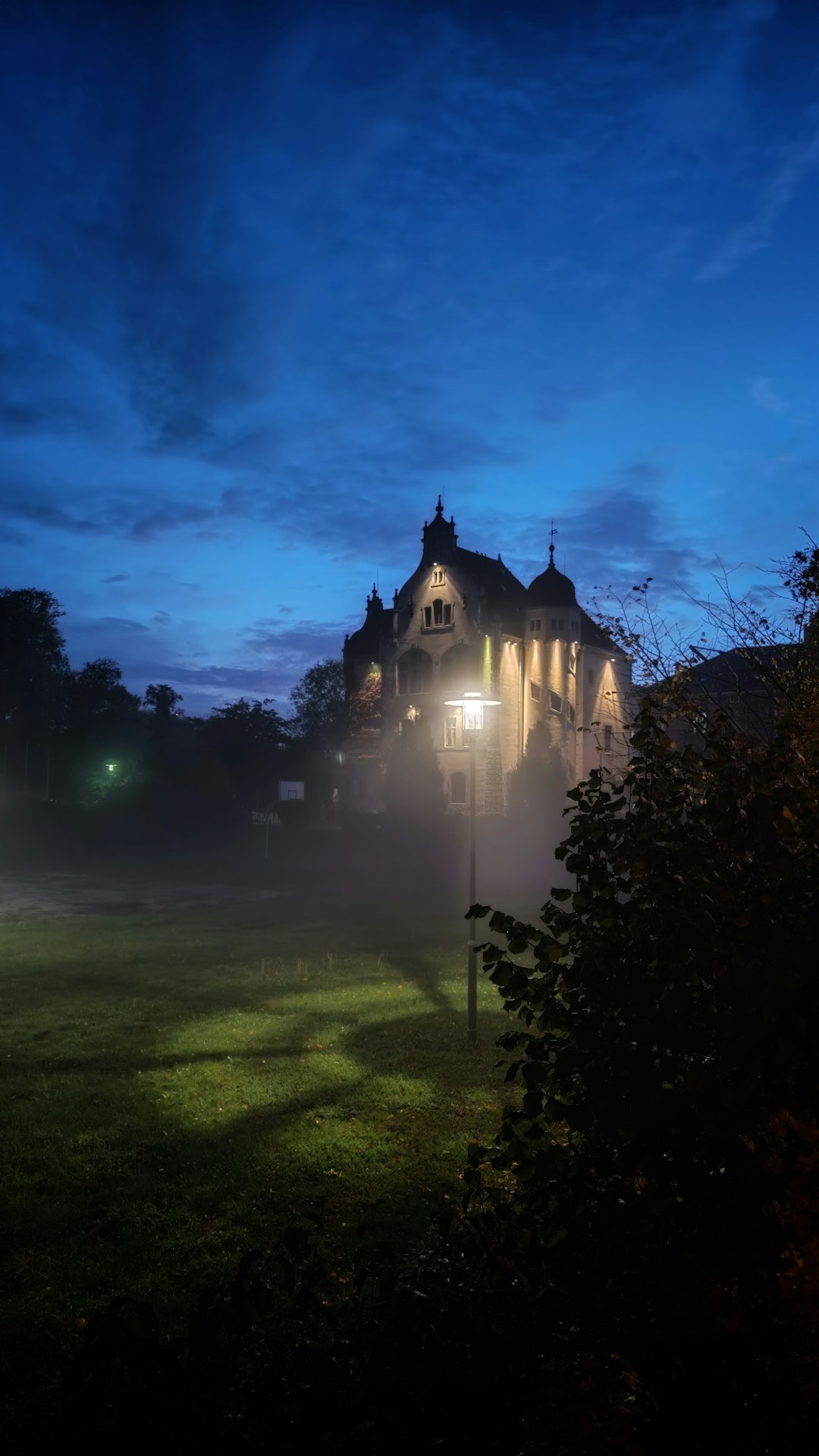
This results in outputs that are tonally consistent and aesthetically immersive. For writers, this means prose that feels cohesive from beginning to end. For designers, it ensures that visuals match the intended atmosphere.
How people are using it:
- Authors generate mood-consistent book descriptions and chapter openings.
- Game developers build emotionally immersive location descriptions.
- Content creators craft themed social media captions with cohesive tone.
The advantage lies in its ability to reduce tonal inconsistency—a common issue when creators rapidly iterate ideas.
2. AI-Generated Gothic Visual Art
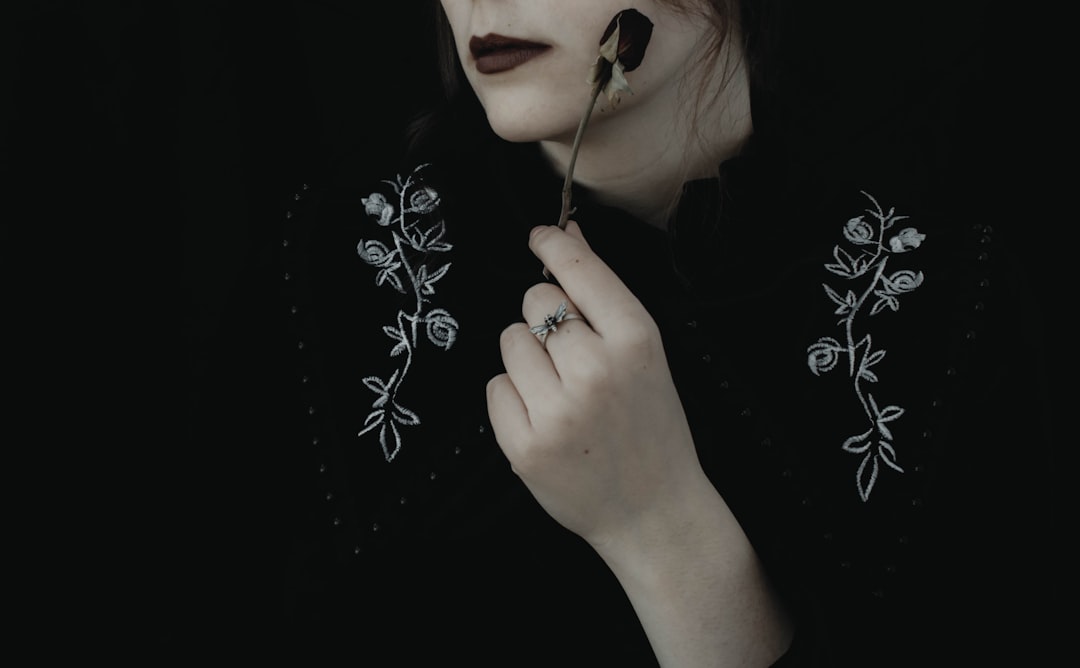
Visual creators are particularly drawn to Goth AI for its ability to produce stylized gothic artwork. The system is optimized for dark palettes, high contrast lighting, vintage textures, lace details, cathedral architecture, and alternative fashion inspiration.
Unlike general-purpose image generation tools, Goth AI’s presets emphasize:
- Deep shadow work
- Ornate detailing
- Symbolic imagery
- Ethereal lighting effects
This makes it especially useful for creators working in subcultures such as darkwave music, gothic fashion, horror literature, and alternative branding.
How people are using it:
- Designing album covers for independent musicians.
- Creating tarot-inspired artwork.
- Generating mood boards for gothic clothing collections.
- Producing atmospheric posters for horror events.
Because the tool maintains stylistic consistency across iterations, artists can generate multiple variations without losing coherence in their visual identity.
3. Stylized Writing and Poetry Assistance
Another standout feature is Goth AI’s ability to assist with gothic prose, poetry, and lyrical writing. The system adapts sentence rhythm, vocabulary density, and metaphor style to align with classic gothic traditions or modern alternative voices.
It supports creative formats such as:
- Dark romantic poetry
- Horror-themed short stories
- Song lyrics for industrial or darkwave music
- Monologues for theatrical performances
Instead of producing flat or generic text, it incorporates sensory elements—fog, candlelight, stone corridors, fading roses—to amplify atmosphere.
How people are using it:
- Indie musicians draft first-pass lyrics for refinement.
- Playwrights develop gothic soliloquies.
- Role-playing game masters write immersive campaign lore.
- Bloggers create themed storytelling content around dark aesthetics.
This functionality saves time while preserving creative control. Writers can treat the generated output as a collaborative draft rather than a final product.
4. Custom Character and World-Building Tools
World-building is essential in creative storytelling, and Goth AI excels at developing layered characters and atmospheric settings. Users can generate detailed backstories, personality traits, wardrobe descriptions, and environmental lore.
Characters can be tailored with attributes such as:
- Era (Victorian, medieval, futuristic gothic)
- Psychological profile (brooding, haunted, rebellious)
- Symbolic elements (ravens, roses, silver crosses)
- Visual identity (attire, scars, pale complexion)
The AI ensures that these details align logically within the broader world context, preventing contradictions in tone or theme.
Image not found in postmetaHow people are using it:
- Fantasy writers create multi-layered antiheroes.
- Game designers develop non-player character lore.
- Illustrators generate detailed character concept sheets.
- Filmmakers brainstorm gothic thriller settings.
Because cohesive world-building strengthens audience immersion, creators often rely on this feature early in the development stage.
5. Multimedia Concept Development
One of the more innovative features of Goth AI is its ability to assist across multiple creative formats simultaneously. A user can generate a character concept, create matching visual art, and then draft a short narrative—all within the same thematic framework.
This cross-medium consistency is crucial for:
- Personal branding
- Themed marketing campaigns
- Multimedia storytelling projects
- Immersive online experiences
For example, an independent fashion designer might generate:
- A gothic-inspired collection theme.
- Visual concept images for promotional materials.
- Product descriptions written in poetic tone.
- Social captions aligned with the brand’s dark aesthetic.
This level of integrated support reduces fragmentation and strengthens creative direction.
Why Goth AI Appeals to Modern Creators
The rise of aesthetic-driven communities online has increased demand for tools that respect stylistic nuance. Goth AI appeals to creators because it:
- Maintains thematic integrity
- Reduces creative burnout
- Speeds up ideation
- Provides consistent visual identity
It does not replace human creativity; rather, it acts as a catalyst. By generating structured starting points, it frees creators to refine, expand, and personalize their visions.
Furthermore, subcultures thrive on authenticity. Tools that misunderstand aesthetic tone often break immersion. Goth AI’s specialization helps avoid that disconnect.
Common Creative Use Cases
Across industries, the tool is being applied in diverse ways:
- Independent publishing: Cover art, blurbs, and atmospheric character sketches.
- Music production: Visual assets and lyrical inspiration.
- Streaming and content platforms: Branded overlays and themed announcements.
- Fashion startups: Collection mood boards and campaign visuals.
- Tabletop gaming: Fully realized dark fantasy lore packets.
This versatility contributes to its growing popularity among creative entrepreneurs.
Frequently Asked Questions (FAQ)
1. Is Goth AI only for gothic subculture projects?
While optimized for gothic and dark aesthetics, it can also support horror, dark fantasy, alternative fashion, and moody conceptual art projects.
2. Do creators lose originality when using Goth AI?
No. Most users treat the outputs as drafts or inspiration. The tool enhances ideation rather than replacing creative judgment.
3. Can Goth AI be used for commercial projects?
Many creators use it for branding, album art, book publishing, and marketing. However, users should always review usage rights specific to their platform license.
4. Does Goth AI support both text and image creation?
Yes. One of its strengths is the ability to generate both stylized written content and visually cohesive artwork.
5. Who benefits most from Goth AI?
Writers, musicians, fashion designers, game developers, and digital artists who want consistent dark aesthetic outputs tend to gain the most value.
As artificial intelligence evolves, niche tools like Goth AI demonstrate how specialized systems can serve deeply creative communities. By focusing on atmosphere, emotional tone, and visual coherence, it empowers creators to bring haunting, immersive visions to life with greater speed and stylistic precision.