Dispatch Crashing With Fatal Error? 10 Fixes to Stop the Crash for Good
5 min read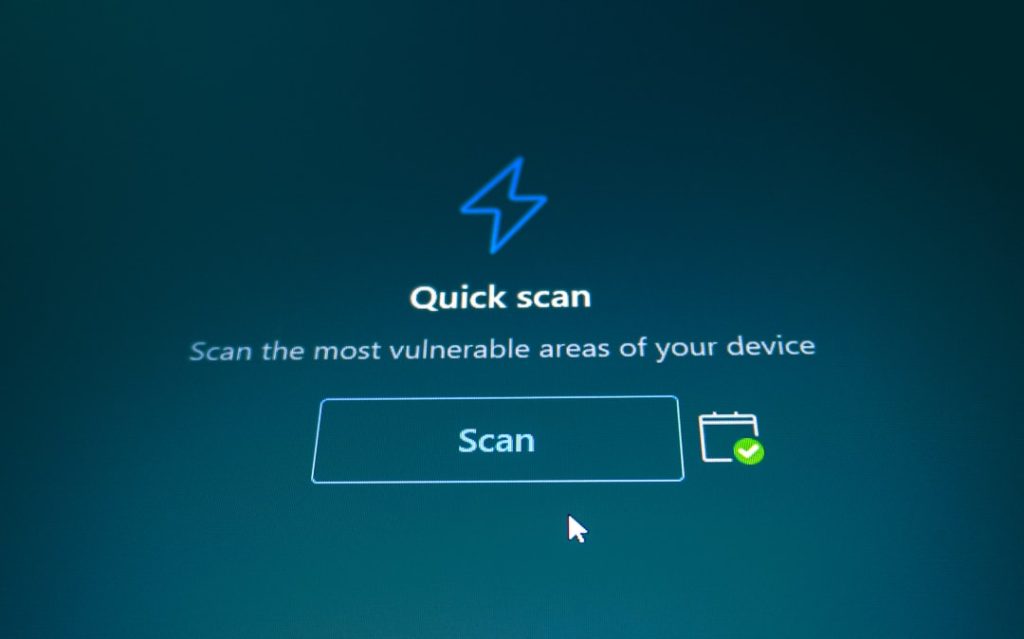
When Dispatch keeps crashing with a fatal error, it can bring productivity to a grinding halt. Whether Dispatch refers to a game server, logistics software, development tool, or background service, fatal crashes typically signal deeper system conflicts, corrupted files, or compatibility issues. Instead of repeatedly restarting and hoping for the best, a structured troubleshooting approach can eliminate the root cause and restore stability.
TLDR: Dispatch fatal errors are usually caused by corrupted files, outdated drivers, software conflicts, or insufficient system resources. Fixing the issue involves verifying files, updating drivers, adjusting system settings, and scanning for corruption or malware. In more persistent cases, reinstalling the software or checking system logs is necessary. The 10 fixes below walk through the most effective solutions step by step.
1. Restart the System Properly
It may sound basic, but a proper restart resolves more fatal errors than many users expect. Temporary memory corruption, stuck processes, or background conflicts can all trigger crashes.
- Shut down the application completely.
- Reboot the entire system (not just a quick restart).
- Launch Dispatch before opening other resource-heavy apps.
This clears temporary cache and resets memory allocation issues that may be causing the fatal crash.
2. Verify or Repair Installation Files
Corrupted or missing files are a primary reason Dispatch crashes with a fatal error. If Dispatch was installed through a launcher or package manager, use its Verify Integrity or Repair function.

If no built-in repair option exists:
- Uninstall Dispatch completely.
- Remove residual folders in the installation directory.
- Reinstall a fresh, updated version from the official source.
Important: Avoid third-party download sites, as modified or bundled installers can introduce conflicts.
3. Update Drivers (Especially Graphics and Network)
Outdated drivers — particularly graphics, network, or chipset drivers — frequently cause fatal errors. This is especially true if Dispatch relies heavily on network communication or graphical rendering.
Focus on updating:
- GPU drivers
- Network adapter drivers
- Motherboard chipset drivers
- Audio drivers (in some cases)
Always download drivers directly from manufacturer websites such as NVIDIA, AMD, Intel, or your motherboard vendor.
Driver Update Tools Comparison
| Tool | Best For | Pros | Cons |
|---|---|---|---|
| Manual Manufacturer Download | Precision updates | Most reliable, no bundled software | Time consuming |
| Windows Device Manager | Quick basic scan | Built into system | May not find latest version |
| Third Party Driver Updater | Bulk updates | Convenient | Risk of incorrect drivers |
4. Check for System Updates
An outdated operating system can conflict with modern applications. Dispatch may require newer security patches, runtime environments, or frameworks.
- Open system update settings.
- Install all recommended and optional updates.
- Restart after installation.
This step often resolves runtime dependency conflicts automatically.
5. Disable Overclocking
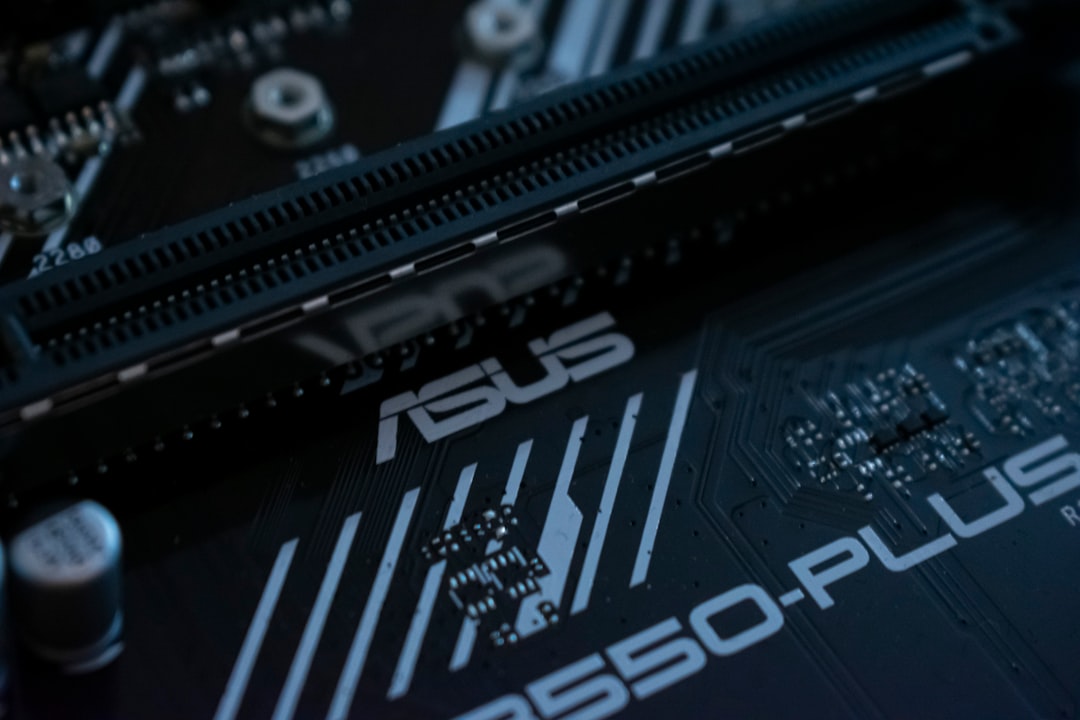
CPU, GPU, or RAM overclocking may cause instability under load. Fatal errors often appear when the system becomes stressed.
If overclocking is enabled:
- Reset BIOS to default settings.
- Disable XMP temporarily.
- Test Dispatch under stock clock speeds.
If the crash disappears, instability from overclocking was likely the culprit.
6. Run Dispatch as Administrator
Insufficient system permissions can prevent Dispatch from accessing critical files or system resources.
- Right-click the Dispatch executable.
- Select Run as Administrator.
- Alternatively, adjust properties to always run with elevated privileges.
This fix is particularly effective when the software interacts with system-level services.
7. Check System Logs for Root Cause
Rather than guessing, reviewing system logs provides direct insight into why the fatal error occurs.
On Windows:
- Open Event Viewer.
- Navigate to Windows Logs → Application.
- Look for error entries matching the crash timestamp.
System logs may identify:
- Missing DLL files
- Memory access violations
- Driver conflicts
- Runtime errors
On Linux or macOS systems, reviewing terminal logs or crash reports serves the same purpose.
8. Scan for Malware or Corruption
Malware or corrupted system files can destabilize applications. Even if Dispatch itself is clean, infected background processes may trigger fatal exceptions.
Essential steps include:
- Run a full antivirus scan.
- Use system file checker tools (such as SFC or DISM).
- Check storage drives for errors.
Corrupted system components frequently trigger unpredictable fatal crashes.
9. Adjust Virtual Memory Settings
Low memory situations may result in fatal errors, particularly if Dispatch handles large datasets or concurrent processes.
To adjust virtual memory:
- Open advanced system settings.
- Navigate to performance options.
- Modify virtual memory (paging file) size.
Setting it to System Managed is usually sufficient, but power users may allocate manually based on available RAM.
Rule of thumb: Paging file size should typically be 1.5x installed RAM for demanding workloads.
10. Perform a Clean Boot
Background applications often conflict with Dispatch. A clean boot helps isolate software interference.
Steps include:
- Disable non-essential startup items.
- Disable third-party services temporarily.
- Restart and test Dispatch.
If Dispatch functions normally in a clean boot state, gradually re-enable services to identify the conflicting program.
Common Causes Behind Dispatch Fatal Errors
Understanding the root causes helps prevent recurring crashes:
- Resource exhaustion – CPU or RAM overload.
- File corruption – Interrupted installation or system crash.
- Driver incompatibility – Mismatched hardware drivers.
- Software conflicts – Overlay apps, antivirus interference.
- Outdated dependencies – Missing runtime libraries.
Addressing these areas systematically eliminates the majority of fatal error cases.
Preventing Future Fatal Crashes
Once Dispatch is stable again, long-term prevention matters.
- Keep drivers and OS updated.
- Avoid aggressive overclocking.
- Maintain adequate free disk space.
- Use reliable power supply hardware.
- Create restore points before major system changes.
Proactive maintenance prevents small issues from escalating into system-level fatal errors.
Frequently Asked Questions (FAQ)
1. What does “fatal error” mean in Dispatch?
A fatal error indicates a critical failure that prevents the software from continuing operation. It usually results from corrupted files, memory access violations, or incompatible system components.
2. Can low RAM cause Dispatch to crash?
Yes. Insufficient memory or improper virtual memory configuration can trigger crashes, especially when Dispatch handles large processes or simultaneous operations.
3. Is reinstalling Dispatch always necessary?
No. Reinstallation should come after verifying files, updating drivers, and checking logs. Many fatal errors can be fixed without removing the program.
4. Why does Dispatch crash after a system update?
System updates may introduce driver incompatibilities or remove required runtime dependencies. Updating drivers usually resolves the issue.
5. Can antivirus software cause fatal errors?
Yes. Overprotective antivirus tools sometimes block legitimate processes. Adding Dispatch to the exclusion list may help.
6. How can logs help diagnose the issue?
Logs reveal the exact module or component that failed, helping pinpoint whether the issue relates to memory, drivers, or missing files.
7. Does overclocking increase crash risk?
Absolutely. Overclocked systems are more prone to instability under load, leading to fatal application crashes.
8. What if none of the fixes work?
If all troubleshooting steps fail, consider checking hardware health (RAM test, storage check) or performing a full operating system repair.
By following these 10 targeted fixes, most Dispatch fatal crashes can be permanently resolved. A systematic approach — rather than random trial and error — ensures the software runs reliably and efficiently moving forward.