5 Software Solutions to Manage Affiliate Websites at Scale
5 min read
Managing a single affiliate website can already feel like a full-time job. Scaling to multiple sites—each with its own content strategy, tracking links, SEO campaigns, and revenue streams—adds layers of complexity that require automation and structure. Without the right tools, affiliate marketers risk broken links, poor tracking, wasted ad spend, and missed optimization opportunities. Fortunately, modern software solutions make it possible to manage affiliate websites at scale with precision and efficiency.
TLDR: Scaling affiliate websites requires automation, accurate tracking, and centralized management. The best software solutions help with link management, analytics, SEO optimization, content planning, and performance monitoring. By combining specialized tools, affiliate managers can streamline workflows, prevent revenue leaks, and optimize performance across multiple properties. The five solutions below offer a strong foundation for growth-focused affiliate operations.
Below are five powerful software solutions that help affiliate marketers operate multiple websites efficiently while maintaining performance, organization, and profitability.
1. Affiliate Link Management Software
As affiliate websites scale, managing thousands of tracking links across multiple pages becomes increasingly difficult. Broken links, expired offers, and inconsistent UTM parameters can cost significant revenue. This is where dedicated link management tools such as ThirstyAffiliates, Pretty Links, or Lasso become essential.
Key benefits include:
- Centralized link database for all affiliate URLs
- Automatic link cloaking and redirection
- One-click updates across multiple pages
- Link health monitoring for 404 errors
- Click tracking and performance reporting
When managing multiple affiliate sites, link consistency is critical. A centralized system ensures that when a merchant changes a program link, it can be updated globally without manually editing dozens of pages.

Advanced tools also allow categorization by campaign or website, making it easier to segment performance across different niches. At scale, this type of automation directly protects revenue.
2. Advanced Analytics and Attribution Platforms
Data is the backbone of successful affiliate marketing. While Google Analytics remains a foundational tool, scaling operations often requires more robust analytics platforms like Voluum, ClickMagick, or Hyros.
These platforms go beyond simple pageview metrics and provide:
- Multi-touch attribution modeling
- Cross-device tracking
- Real-time conversion monitoring
- Traffic source analysis
- Fraud and bot detection
Affiliate managers who operate multiple traffic sources—SEO, paid ads, email, and social—need visibility across the entire funnel. Attribution platforms reveal which channels truly drive conversions rather than just clicks.
At scale, understanding cost per acquisition (CPA) trends across websites allows for better budget allocation and faster optimization decisions. Instead of guessing which site performs best, managers rely on real data.
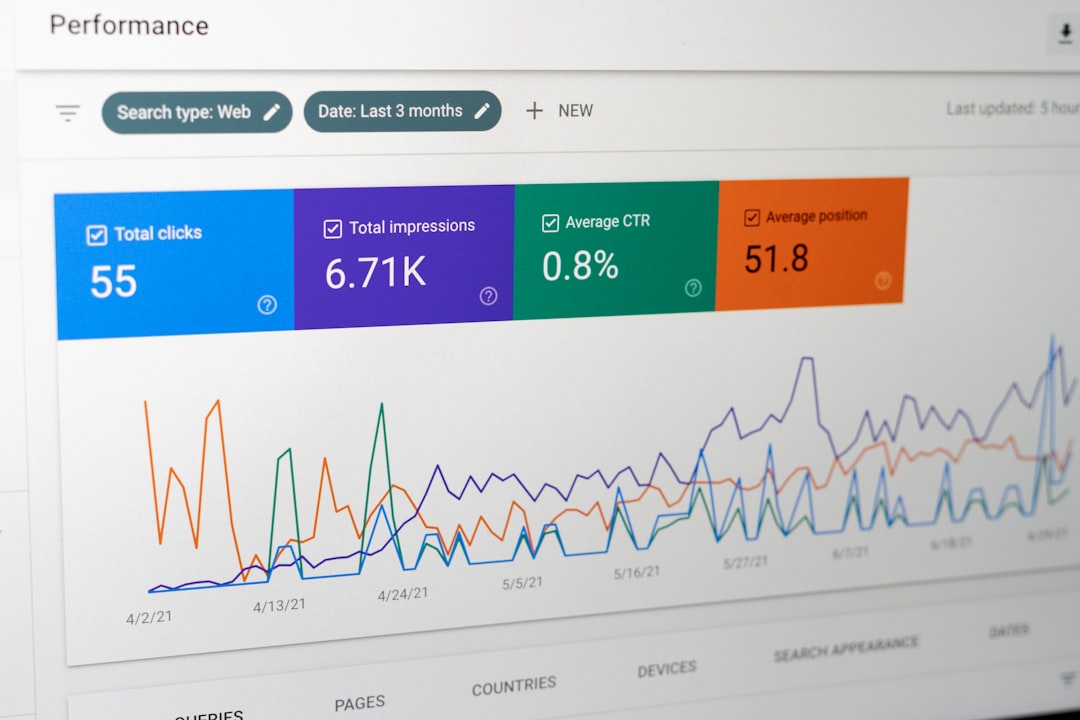
Without a dedicated attribution platform, scaling often leads to data fragmentation, where insights are spread across different systems and spreadsheets.
3. SEO and Content Optimization Suites
Most affiliate websites depend heavily on organic traffic. As portfolios grow, maintaining high-ranking content across multiple domains becomes challenging. Tools like Ahrefs, SEMrush, and Surfer SEO help streamline keyword research, competitor analysis, and content optimization.
Core scaling advantages include:
- Bulk keyword tracking across domains
- Competitor gap analysis
- Backlink monitoring
- Automated site audits
- Content scoring and optimization insights
Instead of manually auditing each website, SEO platforms provide centralized dashboards showing ranking fluctuations, technical SEO issues, and link-building opportunities.
Affiliate operators managing content teams especially benefit from optimization tools that provide clear guidelines. This ensures consistent quality across all sites without requiring constant hands-on oversight.
4. Project and Workflow Management Tools
Scaling affiliate websites often means working with writers, editors, developers, designers, and SEO specialists. Without organized workflows, content production slows down and errors increase.
Tools like ClickUp, Trello, Asana, or Monday.com bring structure to affiliate operations.
Important features for affiliate scale:
- Content calendars for multiple websites
- Task automation and recurring workflows
- Role-based permissions
- Centralized communication threads
- Performance reporting dashboards
For example, a content pipeline might include stages such as keyword approval, article drafting, editing, on-page SEO optimization, publishing, and link insertion. Workflow tools standardize these steps to maintain consistency across large teams.

With automation and templates in place, affiliate managers can focus on strategy instead of micromanaging individual tasks.
5. Affiliate Network Aggregation and Reporting Platforms
Managing relationships with multiple affiliate networks can become overwhelming. Each network has its own dashboard, reporting system, payout structure, and metrics.
Aggregation platforms such as Affluent or custom-built reporting systems pull data from multiple networks into one interface.
Benefits include:
- Unified reporting across networks
- Automated revenue tracking
- Merchant performance comparison
- Payout forecasting
- Anomaly detection
Instead of logging into five different platforms daily, managers receive consolidated revenue reports. This allows them to quickly identify declining programs or underperforming offers.
At scale, unified reporting prevents financial blind spots and enables portfolio-wide decision-making rather than website-by-website optimization.
Comparison Chart: Top Software Categories for Affiliate Scale
| Software Category | Primary Purpose | Best For | Scalability Impact |
|---|---|---|---|
| Link Management Tools | Centralize and track affiliate links | Content-heavy websites | Prevents revenue loss from broken or outdated links |
| Analytics Platforms | Track traffic, conversions, attribution | Multi-channel marketers | Improves optimization and budget allocation |
| SEO Suites | Keyword research and technical audits | Organic traffic strategies | Maintains rankings across multiple domains |
| Project Management Tools | Organize teams and content workflows | Growing affiliate teams | Increases production efficiency |
| Network Aggregators | Unify affiliate revenue reporting | Multi-network affiliates | Enhances financial visibility and forecasting |
How These Tools Work Together
No single solution can manage every aspect of affiliate website scaling. Instead, success comes from integrating these tools into a cohesive ecosystem.
For example:
- An SEO tool identifies a keyword opportunity.
- The project management system assigns content production tasks.
- Link management software inserts optimized affiliate links.
- Analytics platforms track conversions from traffic sources.
- Aggregation tools consolidate revenue data for reporting.
This interconnected workflow transforms scattered efforts into a streamlined system capable of supporting growth across dozens—or even hundreds—of affiliate websites.
Final Thoughts
Scaling affiliate websites requires more than publishing additional content. It demands infrastructure. Without proper link control, analytics, workflow systems, and financial oversight, growth often leads to chaos.
The five software solutions outlined above provide the essential framework for managing affiliate operations at scale. When chosen strategically and integrated properly, they allow affiliate managers to shift from reactive problem-solving to proactive growth planning.
In competitive markets, efficiency and clarity are not luxuries—they are competitive advantages.
Frequently Asked Questions (FAQ)
1. Can one tool handle all aspects of affiliate website management?
No. While some platforms offer multi-feature solutions, scaling effectively usually requires a combination of specialized tools for tracking, SEO, link management, and reporting.
2. What is the most important tool for beginners?
Affiliate link management software is often a good starting point because it prevents broken links and enables better tracking from the beginning.
3. How many websites justify using advanced analytics platforms?
Even two or three sites generating significant traffic can justify advanced attribution tools, especially when paid ads are involved.
4. Are free tools sufficient for scaling?
Free tools may work initially, but scaling typically requires premium features such as automation, bulk reporting, and advanced attribution tracking.
5. How do affiliate aggregators improve profitability?
By consolidating revenue data from multiple networks, aggregators provide clarity on performance trends and highlight underperforming partnerships that need adjustment.
6. What is the biggest mistake when scaling affiliate websites?
Failing to build operational systems early. Growth without structured management tools often leads to inconsistent tracking, missed revenue, and reduced efficiency.