VPNs and Proxies in the Fight for Online Privacy
5 min read
In an era where digital footprints are tracked, stored, and often monetized, the demand for online privacy tools has never been greater. Individuals and organizations alike are searching for reliable ways to shield their browsing habits, communications, and sensitive data from prying eyes. Among the most discussed solutions are Virtual Private Networks (VPNs) and proxies, two technologies designed to enhance anonymity and security online. While they serve similar purposes, their functionality, protection level, and ideal use cases differ significantly.
TLDR: VPNs and proxies are tools that help protect user privacy by masking IP addresses and redirecting internet traffic. VPNs provide stronger encryption and broader device-wide protection, while proxies are typically faster and suited for lighter, task-specific anonymity. Both have distinct advantages and limitations depending on user needs. Choosing between them depends on security priorities, speed requirements, and budget.
Understanding Online Privacy Threats
Before examining how VPNs and proxies work, it is important to understand the risks they aim to mitigate. Internet users face numerous privacy challenges, including:
- Data tracking by Internet Service Providers (ISPs)
- Government surveillance
- Cybercriminal attacks on public Wi-Fi networks
- Corporate data collection and targeted advertising
- Geographic content restrictions and censorship
Every time someone connects to the internet, their IP address acts as a digital identifier. Without protective measures, this identifier can reveal approximate location, browsing behavior, and even personal interests. VPNs and proxies work by masking this IP address, but they do so in different ways.
What Is a VPN?
A Virtual Private Network (VPN) encrypts a user’s internet traffic and routes it through a secure server operated by the VPN provider. This process hides the user’s real IP address and makes it appear as though they are browsing from the VPN server’s location.
VPNs operate at the system level, meaning all internet traffic on the device is encrypted—whether it is from a browser, email application, or mobile app. This comprehensive protection makes VPNs particularly valuable for users who:
- Frequently connect to public Wi-Fi networks
- Handle sensitive business communications
- Seek to bypass geographic restrictions
- Want to prevent ISP tracking
Key Benefits of VPNs
- End-to-end encryption: Protects data from hackers and surveillance.
- IP masking: Conceals true geographic location.
- Comprehensive coverage: Works across all apps and browsers.
- Improved security on public networks: Reduces risk of data interception.
Potential Drawbacks
- May reduce internet speed due to encryption overhead.
- Quality varies by provider.
- Reliable services often require paid subscriptions.
What Is a Proxy?
A proxy server acts as an intermediary between a user’s device and the internet. Instead of connecting directly to a website, the user’s request passes through the proxy server first. The website sees the proxy server’s IP address rather than the user’s.
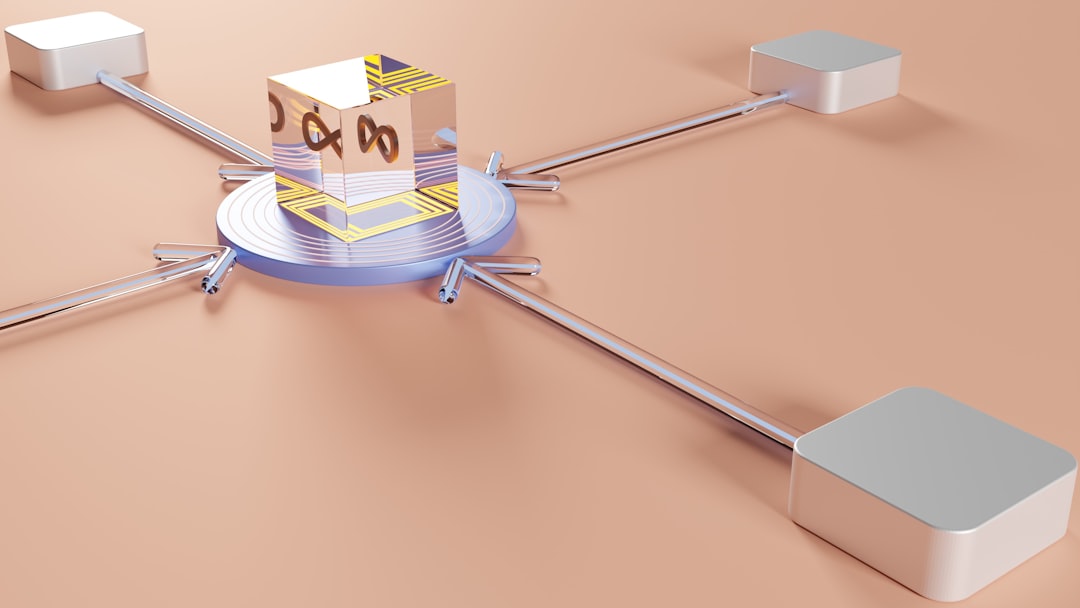
Unlike VPNs, most proxies do not encrypt traffic. They primarily mask IP addresses and are commonly used within browsers or specific applications rather than system-wide.
Types of Proxies
- HTTP Proxies: Designed for web browsing only.
- SOCKS Proxies: More flexible and can handle various forms of traffic.
- Transparent Proxies: Often used by organizations for content filtering.
- Residential Proxies: Use real IP addresses assigned to homeowners.
Advantages of Proxies
- Generally faster than VPNs due to lack of encryption.
- Useful for bypassing simple geographic restrictions.
- Often cheaper than premium VPN services.
Limitations of Proxies
- Typically no encryption.
- Application-specific rather than device-wide protection.
- Less secure for handling sensitive data.
VPN vs Proxy: A Side-by-Side Comparison
| Feature | VPN | Proxy |
|---|---|---|
| IP Masking | Yes | Yes |
| Encryption | Strong encryption | Usually none |
| Device Coverage | Entire device | Specific apps or browser |
| Speed Impact | Moderate slowdown possible | Minimal slowdown |
| Security Level | High | Low to moderate |
| Best For | Privacy and security | Quick IP masking |
Use Cases: When to Choose Each Tool
The selection between a VPN and a proxy depends on intended usage.
VPNs are better suited for:
- Remote work involving confidential data
- Protecting financial transactions
- Securing VoIP and messaging apps
- Preventing ISP monitoring
Proxies are ideal for:
- Accessing region-locked content quickly
- Managing multiple social media accounts
- Web scraping tasks
- Testing website localization

The Role of Encryption in Privacy Protection
Encryption is one of the defining differences between VPNs and proxies. VPN encryption converts readable data into a coded format that can only be deciphered with a decryption key. Even if hackers intercept the data, they cannot interpret it without authorization.
Proxies, on the other hand, mainly reroute traffic. If used on unsecured networks, data transmitted through a proxy may still be vulnerable to interception. For individuals concerned with serious privacy threats, encryption remains a critical factor.
Privacy Myths and Misconceptions
Despite their popularity, VPNs and proxies are sometimes misunderstood.
- Myth 1: A VPN makes a user completely anonymous.
Reality: VPNs enhance privacy but do not guarantee total anonymity, especially if users log into identifiable accounts. - Myth 2: All proxies are unsafe.
Reality: While many free proxies pose risks, reputable paid proxies can serve legitimate operational needs. - Myth 3: Free VPNs offer the same protection as paid ones.
Reality: Free services often log user data or display ads to offset costs.
The Future of Online Privacy Tools
As governments introduce stricter digital regulations and companies expand tracking technologies, privacy tools continue to evolve. Modern VPNs are incorporating advanced features such as:
- Multi-hop connections
- Threat detection systems
- Split tunneling
- Integrated ad and malware blocking
Meanwhile, proxy networks are advancing in scale and sophistication, particularly residential and rotating IP networks used for research and business intelligence.
The ongoing battle for digital privacy is unlikely to diminish. Instead, it will adapt alongside technological innovation and legislative change. VPNs and proxies remain two of the most accessible tools in this fight, each serving distinct roles in protecting user autonomy online.
Frequently Asked Questions (FAQ)
- 1. Is a VPN safer than a proxy?
Yes. VPNs provide encryption in addition to IP masking, making them significantly more secure for sensitive activities. - 2. Can a VPN or proxy make someone completely anonymous?
No. While they enhance privacy, true anonymity requires additional practices such as secure browsers and cautious online behavior. - 3. Do VPNs slow down internet speed?
Some slowdown is possible due to encryption, but premium services minimize performance impact. - 4. Are free proxies safe to use?
Many free proxies lack security safeguards and may log user data. Caution is advised. - 5. Can both a VPN and a proxy be used together?
Yes, though it is typically unnecessary. Most users gain sufficient protection from a reputable VPN alone. - 6. Which option is better for streaming content?
VPNs are generally more reliable for streaming because they offer encryption and consistent access to geo-restricted services. - 7. Do businesses use proxies and VPNs?
Absolutely. Businesses use VPNs to secure remote work and proxies for data collection, cybersecurity, and network management.