Why Most Website Security Problems Aren’t Caused by Hackers
6 min read
When a website suffers a breach, the immediate reaction is often to blame shadowy hackers working tirelessly to break through digital defenses. While external attacks certainly exist, the surprising reality is that most website security problems do not begin with sophisticated cybercriminals. Instead, they often start internally—with misconfigurations, neglected updates, weak access controls, and simple human mistakes. The narrative of the “evil hacker” is compelling, but it frequently distracts businesses from addressing the deeper, more preventable issues that create vulnerabilities in the first place.
TLDR: Most website security breaches are not the result of elite hackers cracking complex systems. They are usually caused by outdated software, weak passwords, misconfigured servers, excessive user permissions, or human error. Many incidents are preventable with better processes, employee training, and routine maintenance. Organizations that focus on internal security hygiene reduce their risks far more effectively than those that obsess over external threats alone.
The Myth of the Mastermind Hacker
Popular media portrays cyberattacks as elaborate operations carried out by genius programmers typing rapidly in dark rooms. While advanced persistent threats do exist, they represent a small portion of total incidents. In practice, attackers often rely on automation, scanning tools, and scripts that search the internet for easy targets.
These tools do not “break in” using brilliance. They simply look for:
- Outdated content management systems
- Unpatched plugins or themes
- Default passwords
- Open ports and exposed databases
- Improper file permissions
If a vulnerability exists, automated bots will find it. In this sense, breaches frequently occur not because hackers are extraordinarily skilled, but because websites are insufficiently maintained.
Outdated Software: The Silent Culprit
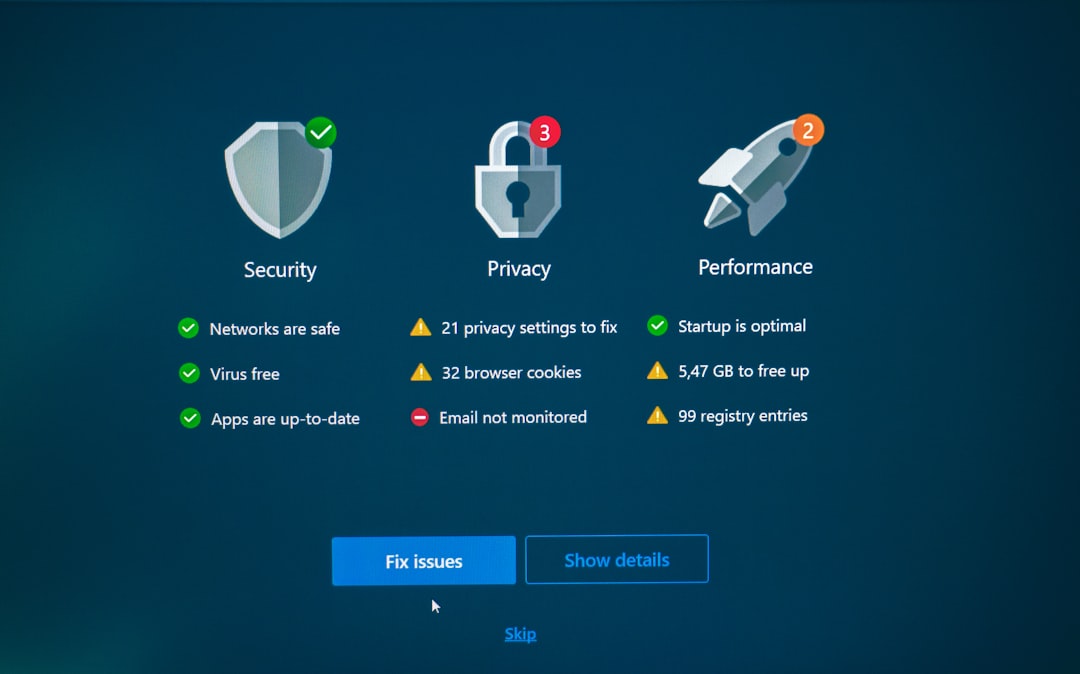
One of the leading causes of website compromise is outdated software. Whether it’s a content management system (CMS), an e-commerce platform, or a third-party plugin, software requires constant updates to patch newly discovered vulnerabilities.
Developers routinely release security patches after identifying weaknesses. However, many site owners delay updates because they:
- Fear breaking site functionality
- Want to avoid downtime
- Lack technical expertise
- Simply forget
Unfortunately, once a vulnerability becomes public knowledge, attackers quickly incorporate it into automated scripts. At that point, an unpatched site becomes an easy target. The breach is not caused by a hacker’s ingenuity—it’s caused by inaction.
Weak Passwords and Poor Authentication Practices
Another major contributor to website insecurity is credential mismanagement. Weak passwords remain one of the most exploited vulnerabilities across the internet.
Common problems include:
- Reusing passwords across platforms
- Using predictable phrases
- Sharing login details via email or chat
- Failing to enable multi-factor authentication (MFA)
Attackers frequently use brute-force software to attempt thousands of password combinations automatically. If a website allows unlimited login attempts or does not enforce strong password policies, intrusion becomes only a matter of time.
In such cases, the “attack” is not sophisticated. It succeeds due to weak internal controls rather than exceptional external skill.
Human Error: The Overlooked Factor
Employees and administrators often unintentionally create vulnerabilities. Human error accounts for a significant percentage of security incidents worldwide.
Examples include:
- Accidentally exposing sensitive files to public directories
- Clicking phishing links
- Uploading infected files
- Granting excessive user permissions
- Misconfiguring server settings
These mistakes are rarely malicious. They stem from insufficient training, unclear procedures, or simple oversight. Yet their consequences can be severe. A single misconfigured permission setting can expose an entire database.

Misconfigured Servers and Hosting Environments
Server misconfiguration is another leading cause of website breaches. Hosting environments can be complex, involving databases, firewalls, file permissions, application servers, and network rules. A small oversight can open significant vulnerabilities.
Common configuration mistakes include:
- Leaving default settings unchanged
- Failing to disable directory indexing
- Exposing administrative interfaces to the public internet
- Allowing unrestricted file uploads
- Improper SSL configuration
Many site owners assume their hosting provider covers all aspects of security. In reality, security responsibilities are often shared. Without a clear understanding of this division, gaps appear—and attackers exploit them.
Excessive User Permissions
Not every user needs administrative access. Yet in many organizations, employees are granted elevated permissions for convenience. Over time, accounts accumulate unnecessary access privileges.
This creates two risks:
- Internal misuse (intentional or accidental)
- Credential compromise, where an attacker gains full access through a lower-level account that was overprivileged
The principle of least privilege—giving users only the access required to perform their roles—is one of the most effective internal defenses. When it is ignored, security weakens from within.
The Role of Automation in Modern Attacks
It is important to understand that most attacks today are automated rather than manually targeted. Bots continuously scan the internet for specific fingerprints of vulnerable systems.
This means that:
- Websites are often attacked within hours of becoming vulnerable
- Small businesses are targeted just as frequently as large enterprises
- No personal grudge or targeted espionage is usually involved
If a site is breached, it is often because it appeared on a scanned list of easy targets. The “hacker” may never have even looked at the site individually.

Poor Monitoring and Lack of Testing
Another overlooked issue is the absence of regular monitoring and security testing. Many website owners only investigate security after something breaks. Proactive security measures are far less common than reactive ones.
Common neglected practices include:
- Routine vulnerability scans
- Penetration testing
- Log monitoring
- Backup testing
- Incident response planning
Without monitoring, minor warnings escalate into major incidents. Logs can reveal suspicious login attempts or file modifications, but only if someone is reviewing them.
Third-Party Dependencies
Modern websites rely heavily on third-party code—plugins, extensions, APIs, advertising scripts, and analytics tools. Each dependency introduces additional risk.
If a third-party component becomes vulnerable and is not updated promptly, the website inherits that vulnerability. In many cases, the site owner may not even realize a third-party script has been compromised.
Again, the issue is not a hacker’s brilliance. It is a matter of dependency management and oversight.
Security as a Process, Not a Product
One of the fundamental misunderstandings in website security is treating it as a one-time setup. Installing a firewall or security plugin does not guarantee ongoing protection.
Effective security requires:
- Ongoing updates
- Regular audits
- Employee education
- Clear access policies
- Documented response plans
Organizations that create a security culture significantly reduce their risk exposure. Those that rely solely on tools without processes remain vulnerable.
Why Blaming Hackers Is Counterproductive
Blaming hackers exclusively shifts focus away from internal responsibility. While external threats are real, they often exploit preventable weaknesses. By concentrating only on external attackers, businesses neglect the internal habits that contribute to breaches.
A stronger approach involves:
- Accepting shared responsibility
- Conducting routine security assessments
- Training staff consistently
- Implementing layered defenses
When organizations address root causes—such as outdated systems and misconfigurations—their attack surface shrinks dramatically.
Conclusion
Most website security problems are less about genius hackers and more about basic digital hygiene. Outdated software, weak passwords, excessive permissions, and simple human errors account for a substantial proportion of breaches. Automated bots do not need extraordinary intelligence to compromise poorly maintained systems—they simply need opportunity.
By shifting focus from fear of external attackers to strengthening internal processes, organizations can prevent the majority of common security incidents. In the end, the most powerful defense is not paranoia about hackers, but disciplined, consistent maintenance and education.
Frequently Asked Questions (FAQ)
1. Are hackers not responsible at all for website breaches?
Hackers are responsible for carrying out attacks, but many breaches succeed because of preventable weaknesses. Without those vulnerabilities, attacks are far less likely to succeed.
2. What is the most common cause of website security issues?
Outdated software and unpatched vulnerabilities are among the most common causes. Weak passwords and misconfigurations are also major contributors.
3. Do small websites get targeted less frequently?
No. Automated bots scan the internet indiscriminately. Small websites are often targeted because they tend to have weaker security practices.
4. How often should a website be updated?
Core software, plugins, and themes should be updated as soon as security patches are available. Regular monthly reviews are a minimum best practice.
5. Does installing a security plugin make a website fully secure?
No. Security plugins are helpful tools, but they must be combined with strong passwords, proper configurations, regular monitoring, and staff training.
6. What is the principle of least privilege?
It is the practice of giving users only the access necessary to perform their roles, reducing the risk of misuse or widespread compromise.
7. How can businesses reduce human error in security?
Through regular cybersecurity training, clear access policies, phishing awareness programs, and documented procedures for handling sensitive data.