What Type of Game Is Dispatch? Genre, Gameplay Style, and Features Explained
5 min read
Dispatch is one of those games that immediately sparks curiosity. Its name suggests urgency, coordination, and high-pressure decision-making—but what type of game is it really? Is it a fast-paced action title, a strategic management simulator, or something in between? Understanding Dispatch requires a closer look at its genre, gameplay style, and defining features.
TLDR: Dispatch is primarily a strategy-simulation game that blends real-time decision-making with management mechanics. Players take control of operations, allocating resources and responding to evolving scenarios under pressure. The gameplay focuses more on tactical thinking and coordination than direct action. Its distinguishing features include time-sensitive choices, dynamic events, and layered management systems.
Understanding the Core Genre of Dispatch
At its foundation, Dispatch falls within the strategy and simulation genre. Rather than placing players directly in the shoes of a character running through environments or engaging in combat, the game centers around overseeing operations. Players act as coordinators, managers, or controllers who must respond to unfolding situations in real time.
This makes Dispatch closely aligned with:
- Real-time strategy (RTS) elements
- Management simulation mechanics
- Decision-driven gameplay
However, it does not fully lean into traditional RTS gameplay where players construct bases and command armies. Instead, the emphasis is placed on response coordination—making critical choices quickly and allocating limited resources effectively.
In genre terms, it can be described as a real-time tactical management simulator.
Gameplay Style: How Dispatch Is Played
The gameplay style in Dispatch is defined by structured oversight and reactive decision-making. Players are often presented with incoming situations—these might be emergencies, logistical issues, or complex operational challenges. The goal is to evaluate the situation and “dispatch” appropriate resources.

Instead of relying on reflex-based combat, Dispatch emphasizes:
- Information analysis
- Prioritization of tasks
- Time-sensitive choices
- Balancing multiple active scenarios
Events often occur simultaneously, meaning players must weigh risks and benefits. Sending all available units or resources to one high-priority incident might leave another escalating problem unattended.
This layered gameplay produces tension through decision pressure rather than through traditional action mechanics. Players are constantly thinking ahead while reacting to events in real time.
Is Dispatch an Action Game?
Although Dispatch can feel intense, it is not an action game in the conventional sense. There is minimal direct character control and limited emphasis on physical movement or combat mechanics.
Instead, the action unfolds indirectly. Players issue commands, monitor progress, and handle consequences from a top-down or interface-based perspective. The excitement comes from:
- Watching operations succeed—or fail
- Adapting to unexpected developments
- Managing cascading effects of earlier decisions
This makes Dispatch more intellectually driven than reflex-driven. The adrenaline comes from mental strain rather than hand-eye coordination.
The Strategic Depth of Dispatch
One of the defining characteristics of Dispatch is its strategic depth. While the core loop may seem simple—receive event, assign resources, monitor outcome—the surrounding systems add complexity.
Players may need to account for:
- Resource limitations (personnel, equipment, time)
- Cooldown periods before assets can be reused
- Escalation mechanics if an event is mishandled
- Reputation or scoring systems based on performance
This transforms each decision into a layered risk calculation. Choosing the “fastest” solution may not always be the most efficient long-term strategy.
Simulation Elements That Define the Experience
Beyond strategy, Dispatch draws heavily from simulation design. It mimics realistic operational workflows, creating immersion through structured systems rather than narrative alone.
Image not found in postmetaSimulation elements often include:
- Realistic communication systems
- Status monitoring dashboards
- Operational constraints
- Environmental or situational variables
This gives players the sense that they are not merely playing a game but performing the role of an operations controller. The authenticity of these systems enhances immersion and raises the stakes of each choice.
Key Features of Dispatch
Several standout features help define Dispatch and distinguish it from other strategy-simulation titles.
1. Real-Time Pressure
Events unfold without waiting for player input indefinitely. Time constraints force decisive thinking and prevent over-analysis.
2. Dynamic Event Systems
Incidents can branch into more complicated scenarios if mishandled. A small issue might escalate into a major crisis.
3. Resource Management
Every unit or asset allocated to one task becomes unavailable elsewhere. Efficient resource usage is critical for success.
4. Multi-Layered Decision Trees
Choices are rarely binary. Each decision can create ripple effects, influencing future scenarios.
5. Performance Evaluation
Players are often graded or scored, encouraging optimization and replayability.
How Dispatch Compares to Similar Genres
| Feature | Dispatch | Traditional RTS | Pure Simulation Game |
|---|---|---|---|
| Direct Unit Control | Indirect, command-based | Direct control | Minimal |
| Combat Focus | Low to moderate | High | Low |
| Resource Management | Core mechanic | Core mechanic | Often present |
| Time Pressure | High | Moderate to high | Variable |
| Decision Impact | High, cascading outcomes | Usually strategic | System-driven outcomes |
This comparison highlights how Dispatch blends elements instead of fitting cleanly into a single category. It is strategic like an RTS but operationally focused like a simulator.
The Player Experience: Who Is Dispatch For?
Dispatch appeals most strongly to players who enjoy thinking under pressure. It rewards:
- Analytical thinkers
- Fans of management games
- Players who enjoy optimization challenges
- Those who prefer tactical planning over fast reflexes
Players looking for direct combat or expansive open-world exploration may find Dispatch slower or more methodical. However, for fans of coordination-based gameplay, its tension and strategic complexity are deeply satisfying.
Visual and Interface Design
The presentation of Dispatch strongly supports its genre identity. Rather than cinematic action sequences, the interface typically highlights control panels, status indicators, and map overlays.
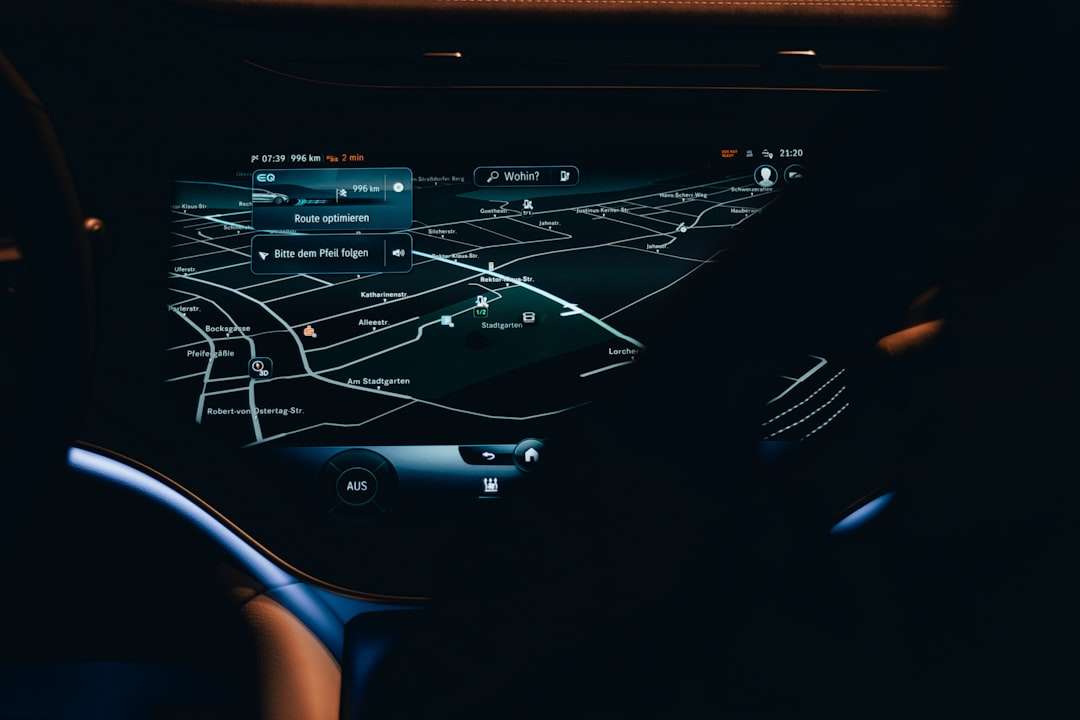
This reinforces the feeling of overseeing operations. Information clarity is essential because poor interface design would make effective decision-making nearly impossible. The best versions of Dispatch prioritize readability and structured layouts.
Replayability and Long-Term Engagement
Another reason Dispatch stands out is its replayability. Because decision trees branch in multiple directions, no two playthroughs feel identical. Variable event timing, resource distribution, and outcome scoring encourage experimentation.
Players might replay scenarios to:
- Improve efficiency ratings
- Discover alternate outcomes
- Experiment with aggressive vs. conservative strategies
- Master crisis management
This iterative loop strengthens its identity as a strategic simulation rather than a one-time narrative experience.
Final Verdict: What Type of Game Is Dispatch?
Dispatch is best described as a real-time strategy management simulator with strong tactical decision-making elements. It is not built around direct combat or character action but around control, coordination, and consequence-driven planning.
Its genre sits at the crossroads of strategy and simulation, with gameplay centered on reactive problem-solving under time pressure. The defining features—dynamic events, resource allocation, cascading consequences, and performance evaluation—work together to create a tense yet intellectually satisfying experience.
FAQ About Dispatch
1. Is Dispatch a strategy game?
Yes, it primarily falls within the strategy genre, focusing on tactical decision-making and resource allocation rather than direct action.
2. Does Dispatch include real-time gameplay?
Yes, most scenarios unfold in real time, requiring quick analysis and immediate responses.
3. Is there combat in Dispatch?
Combat is not typically the central focus. Any conflict elements are usually managed indirectly through commands and coordination rather than hands-on fighting.
4. Can Dispatch be considered a simulation game?
Yes, it includes strong simulation elements that model operational systems and realistic coordination processes.
5. Is Dispatch suitable for casual players?
It can be accessible, but it is best suited for players who enjoy thinking strategically and managing multiple variables at once.
6. What makes Dispatch different from traditional RTS games?
Unlike traditional RTS titles, Dispatch emphasizes operational response and management rather than base-building and battlefield tactics.