What Is Goth AI And How Does It Work? Features, Uses, And What Makes This AI Tool Unique (2026 Guide)
5 min read
Artificial intelligence continues to evolve at a breathtaking pace, and in 2026 one of the most talked-about niche AI tools is Goth AI. Blending advanced generative modeling with a distinctive gothic-inspired aesthetic and personality layer, this AI platform is redefining how users engage with creative technology. From dark digital art generation to moody storytelling and alternative branding concepts, Goth AI has found a loyal following among creators, designers, musicians, and cultural trendsetters.
TLDR: Goth AI is a specialized artificial intelligence platform designed around gothic aesthetics, tone, and creative expression. It uses advanced generative models trained on curated datasets to produce dark-themed text, imagery, branding, and multimedia concepts. Unlike general AI tools, Goth AI focuses heavily on mood consistency, stylistic cohesion, and subculture awareness. In 2026, it stands out as a powerful creative assistant for artists, marketers, and fans of alternative culture.
What Is Goth AI?
Goth AI is an AI-driven creative assistant designed around the gothic subculture and aesthetic. While most AI platforms aim to be neutral and broadly applicable, Goth AI was intentionally built to reflect a specific emotional tone: dark elegance, romantic melancholy, dramatic visuals, and baroque-inspired styling.
It combines several AI technologies, including:
- Large Language Models (LLMs) for moody storytelling and poetic content
- Text-to-Image Generators for gothic artwork and fashion concepts
- Style Transfer Networks to transform standard content into gothic variations
- Voice Synthesis Tools for deep, atmospheric audio outputs
Unlike general-purpose AI systems, Goth AI is fine-tuned with curated datasets featuring gothic literature, Victorian art, alternative fashion photography, dark ambient music references, and architectural elements such as cathedrals and wrought iron detailing.
Image not found in postmetaHow Does Goth AI Work?
At its core, Goth AI operates on a multi-layer model architecture that combines generative AI with aesthetic filtering. Here’s how it works step by step:
1. Input Interpretation Layer
When a user provides a prompt, the AI first analyzes intent. For example:
- “Create a gothic logo for a metal band”
- “Write a dark romantic poem about lost time”
- “Design a Victorian-inspired homepage layout”
The system classifies the input into creative domains: text, image, branding, layout, or audio.
2. Style Mapping Engine
This is what makes Goth AI unique. Instead of generating generic outputs, it applies a gothic style mapping filter. This engine evaluates:
- Color palettes (deep reds, blacks, muted grays, purples)
- Typography styles (blackletter, serif drama, ornamental fonts)
- Emotional tone (melancholy, mysterious, dramatic)
- Visual symbolism (roses, ravens, cathedrals, candles)
The AI ensures all outputs stay consistent with gothic aesthetics—even when the user provides minimal direction.
3. Generative Model Processing
After tone alignment, the request is passed through large-scale generative models trained on multimodal data. These models create:
- Original art and illustrations
- Poetry, lyrics, and prose
- Brand kits and visual moodboards
- Conceptual fashion collections
4. Refinement and Consistency Checks
Goth AI features a built-in aesthetic consistency checker that ensures the final output matches the intended style. If the content drifts into something too futuristic, colorful, or playful, the system rebalances it automatically.
Key Features of Goth AI in 2026
1. Dark-Themed Content Generation
Goth AI excels at producing:
- Gothic poetry and short stories
- Moody social media captions
- Band biographies and album concepts
- Alternative fashion descriptions
The writing often reflects a literary influence inspired by classic romanticism and Victorian-era prose.
2. Gothic Image Creation
Users can create high-resolution visuals with prompts such as:
- “Victorian vampire portrait with candlelight”
- “Gothic cathedral in moonlight with storm clouds”
- “Dark fashion editorial in abandoned mansion”
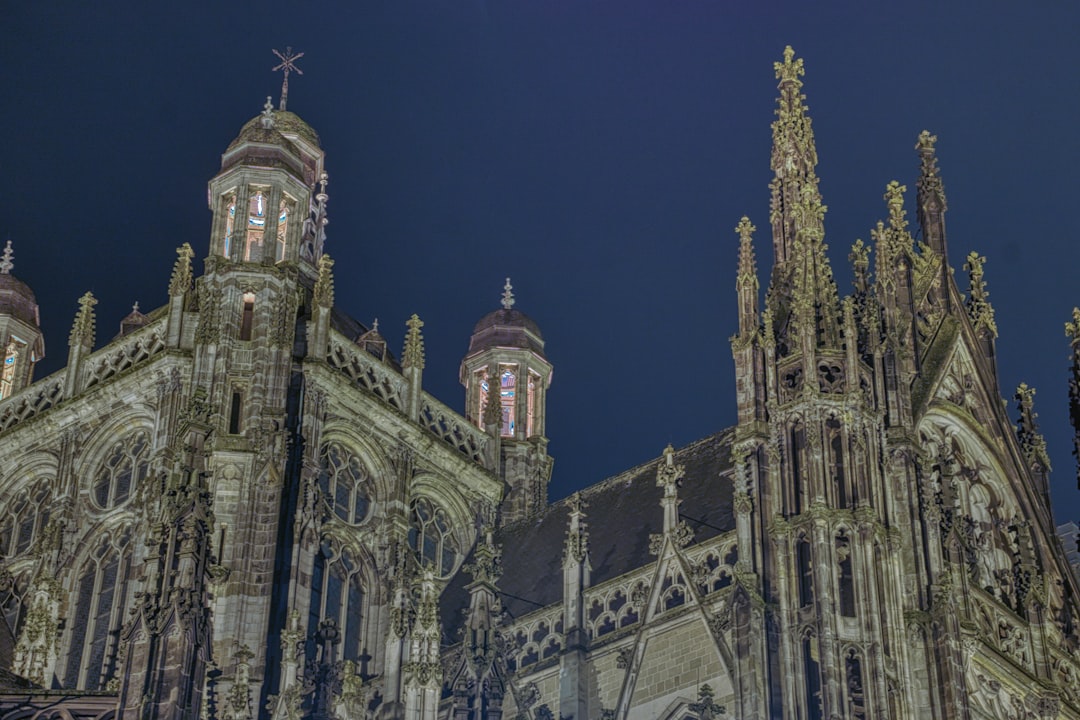
The AI applies dramatic lighting, ornate architectural detail, and textured shading to produce visually cohesive results.
3. Branding and Identity Tools
One of the fastest-growing use cases is niche branding. Goth AI can generate:
- Logo concepts
- Taglines
- Typography pairings
- Color schemes
- Website layout mockups
Alternative fashion brands, music artists, and horror-themed businesses frequently rely on these capabilities.
4. Voice and Persona Emulation
In 2026, Goth AI includes atmospheric voice generation modes. Users can produce:
- Deep narrative storytelling audio
- Dramatic podcast intros
- Character voiceovers
The system modifies tone pacing and timbre to match gothic storytelling traditions.
5. Style Conversion Mode
This powerful feature allows users to convert neutral content into gothic variations. For example:
- A standard product description becomes a dark poetic narrative
- A bright logo concept transforms into a monochromatic ornamental design
- A modern webpage becomes a baroque-inspired layout
Popular Uses of Goth AI
Goth AI’s applications go beyond aesthetics—it serves as a serious creative productivity tool.
1. Independent Musicians
Bands use Goth AI to generate:
- Album cover art
- Merchandise mockups
- Song lyrics
- Stage visuals
2. Alternative Fashion Designers
Designers rely on the platform to prototype:
- Lookbooks
- Pattern inspirations
- Campaign imagery
- Dark couture sketches
3. Writers and Content Creators
From horror bloggers to dark fantasy authors, creators use Goth AI to brainstorm plot ideas, refine tone, and maintain stylistic cohesion.
4. Social Media Influencers
Content creators in niche communities leverage Goth AI for:
- Themed content calendars
- Caption assistance
- Visual consistency across platforms
5. Game Developers
Indie developers building horror or fantasy games use Goth AI to generate concept art, environmental designs, and character backstories.

What Makes Goth AI Unique?
With so many AI platforms available, what truly sets Goth AI apart?
1. Subculture Awareness
Goth AI doesn’t merely mimic “dark colors.” It understands the symbolism, emotional depth, and cultural history associated with gothic aesthetics.
2. Emotional Consistency
Many AI tools produce visually inconsistent results across projects. Goth AI’s style-lock technology ensures outputs remain consistent over time.
3. Community Feedback Loop
In 2026, Goth AI integrates community-driven style refinement. Users can vote on generated outputs, helping the model continuously refine tone accuracy.
4. Niche Optimization
While broad AI tools serve general markets, Goth AI thrives by specializing. Its narrow focus results in higher-quality outputs for gothic-themed projects.
Comparison Chart: Goth AI vs General AI Tools (2026)
| Feature | Goth AI | General AI Platforms |
|---|---|---|
| Aesthetic Specialization | Deep gothic focus | Broad and neutral |
| Style Consistency | High with style lock | Varies by prompt |
| Subculture Knowledge | Integrated cultural references | Limited specialization |
| Branding Tools | Optimized for dark themes | Multi-industry generic |
| Creative Mood Control | Advanced emotional tuning | Basic tone settings |
Limitations of Goth AI
No tool is perfect. Goth AI does have some limitations:
- Not ideal for bright, minimalist, or corporate aesthetics
- May require fine-tuning for commercial mass-market branding
- Overuse of stylistic effects can reduce originality if not customized
However, for its target audience, these limitations are rarely deal-breakers.
The Future of Goth AI
Looking ahead, Goth AI is expected to integrate:
- AR and VR mood environments for immersive design previews
- AI-assisted fashion pattern generators with real garment mapping
- Collaborative live generation tools for teams
As AI becomes increasingly personalized, niche-focused systems like Goth AI may become more common, reshaping how digital creativity operates.
Final Thoughts
Goth AI represents a shift in artificial intelligence from generic multitool systems to identity-driven creative platforms. By prioritizing emotional tone, aesthetic integrity, and subculture authenticity, it provides a tailored experience that resonates deeply with its audience.
In 2026, the appeal of Goth AI lies not just in its technical capabilities but in its ability to translate mood into machine-generated art. Whether you are a musician seeking dramatic album visuals, a writer exploring dark narratives, or a designer crafting alternative fashion concepts, Goth AI offers a distinct and powerful creative partner.
As specialized AI tools continue to emerge, Goth AI may well serve as a blueprint for how artificial intelligence can honor cultural identity while pushing creative boundaries into new, beautifully dark territories.