Sterile Processing Tech Salary Guide: Entry-Level to Managerial Pay
4 min read
The healthcare system relies heavily on professionals who work behind the scenes to ensure patient safety and operational efficiency. Among these unsung heroes are Sterile Processing Technicians—skilled workers responsible for cleaning, sterilizing, and preparing surgical instruments and equipment. With growing demand for healthcare services, the demand for sterile processing professionals is also on the rise.
TLDR
Sterile Processing Technicians typically earn between $30,000 and $75,000 per year depending on their experience, certification, and location. Entry-level roles offer competitive wages with room for growth, while advanced roles such as Lead Tech or Manager come with significantly higher salaries. Certifications like CRCST and specialized training can greatly increase earning potential. Urban centers and hospitals often offer higher pay compared to rural clinics and outpatient facilities.
What Does a Sterile Processing Tech Do?
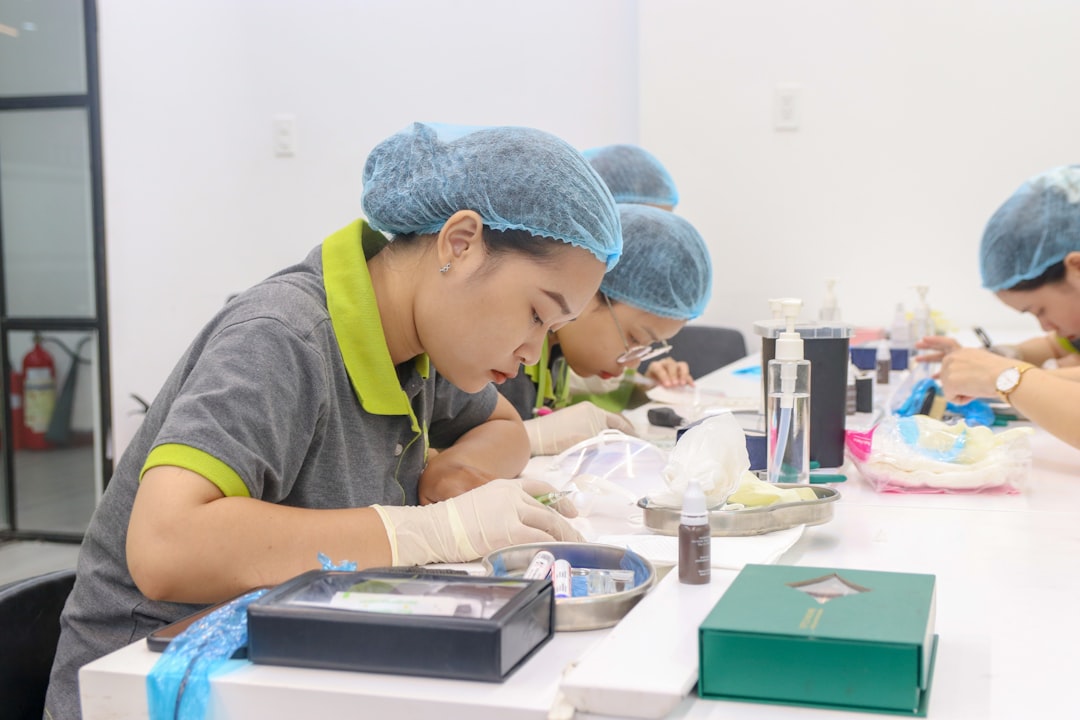
Sterile Processing Technicians are trained to decontaminate surgical instruments, assemble trays, and ensure that operating rooms receive sterile and functional tools for each procedure. Given the critical nature of their role in preventing infections and promoting surgical safety, their expertise is in high demand across hospitals, outpatient centers, and specialty clinics.
Factors Impacting Salary
Multiple elements influence the salary range for sterile processing professionals:
- Experience Level: Entry-level technicians earn less than those with years of practice or supervisory responsibilities.
- Certification: Holding industry-recognized certifications such as CRCST (Certified Registered Central Service Technician) boosts job market value.
- Geographic Location: Salaries vary based on cost of living and demand. Technicians in metropolitan areas typically earn more.
- Facility Type: Hospitals generally offer higher pay than outpatient centers or physician offices.
- Shift Type: Working night shifts or weekends often results in shift differential pay.
Entry-Level Sterile Processing Technician Salary
Entry-level Sterile Processing Technicians typically have less than two years of experience and may or may not hold certifications. These technicians often perform basic tasks under supervision and receive on-the-job training or attend vocational programs.
- Average Salary: $30,000 – $42,000 per year
- Hourly Rate: $14 – $20
- Common Benefits: Health insurance, paid time off, uniform allowance
Technicians in this tier can increase their earning potential by completing certification programs and gaining hands-on experience with surgical equipment.
Mid-Level Sterile Processing Technician Salary
After gaining 2–5 years of experience, many technicians take on more responsibilities, including supervising junior staff or managing inventory systems. At this level, certifications not only become more common but are often required by employers.
- Average Salary: $43,000 – $55,000 per year
- Hourly Rate: $21 – $26
- Common Certifications: CRCST, CIS (Certified Instrument Specialist)
Technicians who actively pursue additional qualifications and show leadership potential often become candidates for senior roles.
Senior and Lead Sterile Processing Tech Salary
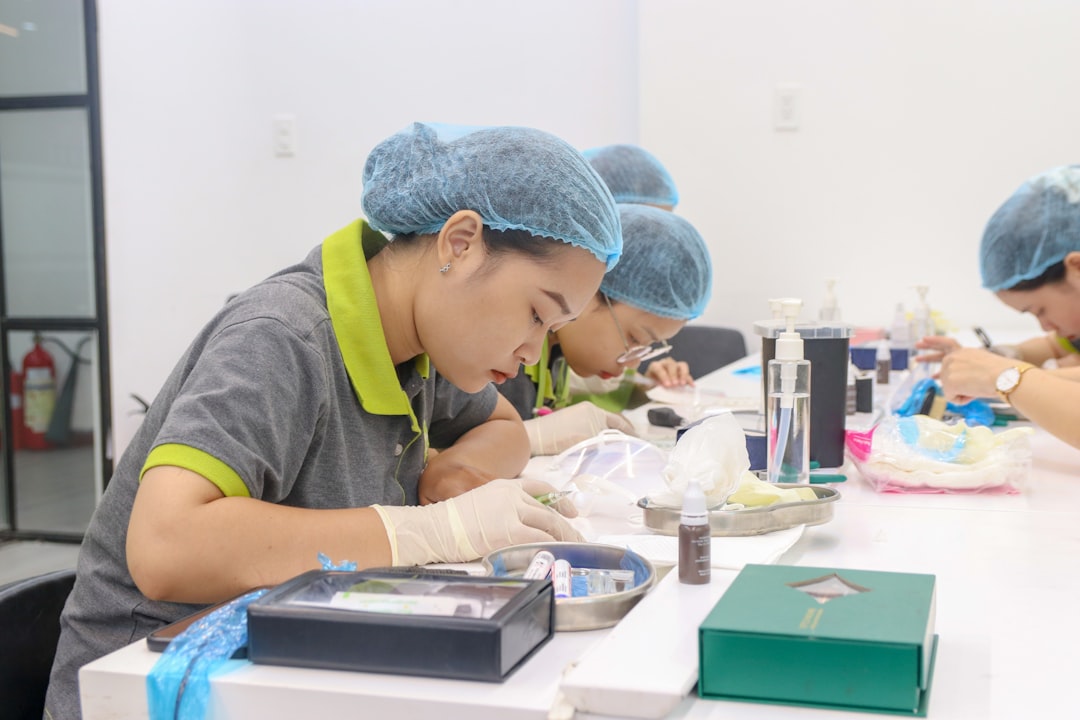
Senior technicians or Lead Sterile Processing Techs oversee teams, coordinate workflow, and ensure adherence to standards. Their role involves balancing quality control, mentoring, and communication with surgery department staff.
- Average Salary: $56,000 – $66,000 per year
- Hourly Rate: $27 – $32
- Enhanced Responsibilities: Quality control, procedure training, policy implementation
Leadership roles also demand strong communication and the ability to make quick, informed decisions during critical situations. Overtime and shift differential pay can further increase total compensation.
Managerial and Supervisory Roles
At the top of the sterile processing ladder are managerial and director roles. These individuals oversee entire departments, handle budget-planning, and implement compliance with national health standards like those from AAMI and OSHA.
- Average Salary: $67,000 – $85,000 per year
- Common Titles: Sterile Processing Manager, SPD Supervisor, Director of Central Sterile Services
- Required Experience: 5–10+ years in the field, certification, prior team leadership
Some hospitals and surgical centers may offer incentive bonuses, relocation support, and education reimbursements for individuals willing to step into demanding leadership positions.
Geographic Differences in Pay
Location significantly impacts salary for sterile processing careers. Here is a breakdown of average pay in various regions:
- West Coast (California, Washington): $52,000 – $72,000 due to higher cost of living
- East Coast (New York, Massachusetts): $48,000 – $69,000
- Midwest (Illinois, Ohio): $42,000 – $60,000
- South (Texas, Florida): $38,000 – $55,000, often with lower shift differentials
Urban hospitals tend to offer better salaries and benefits packages than rural facilities. However, living costs and commute times should be factored into job decisions.
Impact of Certification on Earnings
Certification is among the most reliable ways to boost earnings and job prospects in sterile processing. Credentialed professionals are viewed as more competent and career-focused, which translates into better opportunities.
Key certifications include:
- CRCST – Certified Registered Central Service Technician: Offered by IAHCSMM, this certification is widely recognized and often required.
- CIS – Certified Instrument Specialist: Designed for experienced techs wanting to deepen technical knowledge.
- CHL – Certified Healthcare Leader: Meant for managerial roles, focusing on leadership and departmental operations.
Certification may lead to a salary bump of 10–20% and may open doors to teaching or supervisory positions.
Career Advancement Opportunities
The field offers solid upward mobility for those committed to professional development. Starting from an entry-level role, one can rise to supervisory and eventually administrative management positions. Some professionals even transition into related fields such as infection control, surgical technology, or hospital quality assurance.
Steps to advance your career:
- Gain experience and familiarity with various equipment types.
- Pursue industry certifications for greater specialization.
- Attend workshops and stay updated on industry standards.
- Seek mentorship or job shadowing opportunities in advanced roles.
Conclusion
Sterile Processing Technicians play a vital role in healthcare, and their contribution is both respected and increasingly recognized. With salaries ranging from $30,000 for newcomers to over $85,000 for managers, the field offers competitive pay and strong job growth. Whether you’re just starting your career or looking to move up the ladder, investing in education and certification can significantly elevate your earning potential.
The path from entry-level technician to managerial leadership is not just feasible—it’s achievable for those willing to learn, adapt, and contribute meaningfully to patient care environments. With the right approach, sterile processing can offer both financial stability and professional fulfillment.