Kovových: Meaning, Usage, and Relevance in Modern Industrial Contexts
4 min read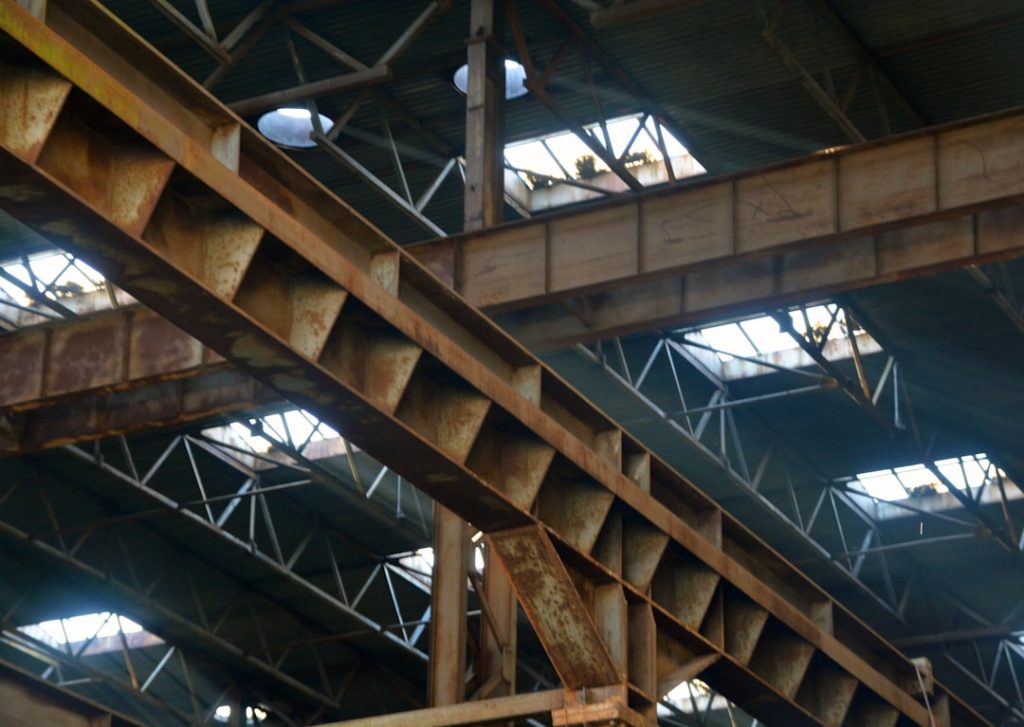
In the expansive world of metallurgy and industrial manufacturing, the term Kovových frequently surfaces in conversations about materials, processing, and technological innovation. Derived from Slavic roots, particularly Czech and Slovak languages, kovových refers broadly to anything made of or relating to metal. Its usage stretches across disciplines such as mechanical engineering, construction, and materials science, playing a pivotal role in shaping modern industrial contexts.
TL;DR: The word kovových refers to metallic or metal-based materials, mostly used in Slavic language settings like Czech or Slovak. In modern industry, it encompasses components, structures, and technologies involving metals. Its usage is highly relevant in fields like construction, automotives, aerospace, and industrial manufacturing. Understanding this term offers deeper insight into engineering materials and their applications.
Understanding the Meaning of “Kovových”
In Czech and Slovak, the word kovových is the genitive plural or adjectival form of kov, which directly translates to “metal.” Therefore, kovových is most often used to describe items that are made of metal — for example, kovových konstrukcí (metal structures), kovových prvků (metal components), or kovových materiálů (metal materials).
While the word itself might not be prevalent in English-speaking industries, its context and implications are widely relevant globally. Engineers, architects, and machinists working internationally may come across the term in documentation, product specifications, or supplier catalogs from Central and Eastern Europe.
Usage and Applications in Industrial Contexts
The term kovových spans a wide array of industrial and engineering domains. Below are some of the most common contexts where this term plays a critical role:
- Construction: Buildings, bridges, and frameworks often use kovových konstrukcí for durability and strength.
- Automotive Manufacturing: Structural and body components in vehicles are frequently referenced as kovových dílů (metal parts).
- Rail Transport: Railway infrastructure includes kovových sloupů (metal poles) and beams.
- Industrial Equipment: Machines and assembly lines make extensive use of kovových částí (metal parts/components).
- Consumer Products: Everyday items like furniture or tools may feature kovových rámů (metal frames) or hardware.

Why Metals Matter: The Material Science Behind “Kovových”
The appeal of kovových materials lies in their inherent properties, developed and refined over centuries of human experimentation and modern science. Here are several attributes that make metal components indispensable in today’s industries:
- Strength and Durability: Metal offers high tensile strength, making it suitable for load-bearing applications.
- Thermal Conductivity: Metals like copper and aluminum are efficient heat conductors, ideal for electronics and heat sinks.
- Malleability and Machinability: Metals can be formed into complex shapes without breaking, essential for customized parts and molds.
- Corrosion Resistance: Alloys such as stainless steel and treated surfaces extend the lifespan of products.
- Recyclability: Metals can be recycled without losing structural integrity, aiding sustainability goals.
In countries where the term kovových is native, these properties are often integrated into national engineering codes, procurement requirements, and safety standards, highlighting their importance to both regional and international markets.
Global Relevance in Contemporary Manufacturing
Even though the word kovových is not an English term, its applications resonate globally, especially as Europe becomes more integrated through cross-border industries. Many Czech and Slovak companies are prominent exporters of metallic parts and constructions used worldwide, particularly in sectors such as:
- Aerospace: Lightweight alloys for airplanes and structural components are sourced from Central European manufacturers.
- Renewable Energy: Wind turbine frameworks and solar mounting systems often utilize kovových konstrukcí.
- Automotive: Vehicle chassis and engine mounts made of special steel and aluminum alloys.
- Medical Devices: Surgical instruments and hospital equipment frames benefit from high-grade kovových materiálů.

Innovations and Advances in Metal Technologies
The evolution of metal use continues to progress swiftly. What once were simple iron and copper uses, now include intelligent materials and hybrid composites. Innovations influencing the future of kovových components include:
- 3D Metal Printing: Additive manufacturing allows for complex, lightweight structures previously impossible with traditional methods.
- Nano-engineered Surfaces: Enhancements can make metal surfaces hydrophobic, scratch-resistant, or even self-healing.
- Smart Alloys: Shape-memory metals that return to a predetermined shape upon heating revolutionize mechanical design.
- Green Steel Production: Technologies now aim to reduce carbon emissions during metal production through hydrogen-based processes or electric arc furnaces.
These developments are being integrated into global supply chains, including those in countries where kovových is a local term, thereby merging linguistic heritage with high-tech innovation.
Challenges and Considerations
Despite its prominence, working with kovových materials is not without challenges. Companies and engineers need to consider factors such as:
- Cost: Precious and rare metals can be prohibitively expensive.
- Weight: Heavier metals may not be ideal for applications where reduced weight is crucial.
- Corrosion: Exposed metals require coatings or treatment to avoid degradation over time.
- Environmental Impact: Mining and processing can be resource-intensive and environmentally damaging if not managed well.
Addressing these challenges requires multidisciplinary knowledge involving material science, economics, and environmental sustainability ― all of which are increasingly becoming standard concerns in global industrial planning.
Conclusion: The Enduring Relevance of “Kovových”
Far more than just a linguistic artifact, the term kovových encapsulates a world of industrial engineering and innovation. It refers to a class of materials and products that are foundational to modern living — from the cars we drive to the bridges we cross, and the tools we use every day. Even in highly technological fields like aviation and robotics, the use of high-performance kovových components remains essential.
Understanding the implications and usages of kovových helps bridge cultural and technical gaps, especially in an interconnected manufacturing ecosystem. As industries continue to evolve with smarter, greener technologies, the relevance of metals — and by extension, the term kovových — will only grow.