Inside the Chameleónovité Family: The Science Behind Color-Changing Reptiles
5 min read
Chameleons have dazzled scientists and animal enthusiasts for centuries with their otherworldly eyes, zygodactylous feet, projectile tongues, and most famously — their remarkable ability to change color. These reptiles, belonging to the Chameleónovité (chameleon family), inhabit a fascinating slice of the animal kingdom where biology, physics, and evolution converge in vibrant displays. But beyond their eye-catching shifts in skin tone lies a complex web of cellular mechanisms and behavioral cues waiting to be uncovered.
TL;DR
Chameleons change color not just for camouflage but also for communication and temperature regulation. The secret lies within their skin’s nanocrystal structures, which reflect different wavelengths of light. These changes are triggered by muscle contractions and often influenced by environmental and social stimuli. Their color-shifting ability is a beautiful mix of biology and physics, shaped over millions of years.
The Basics of Chameleon Color Change
While it’s often believed that chameleons change color purely to blend into their surroundings, the truth is far more nuanced. Color change serves multiple functions:
- Camouflage: To hide from predators or stalk prey.
- Thermoregulation: Darker colors absorb more heat when a chameleon’s cool; lighter hues reflect sunlight and keep it cool.
- Communication: Conveying mood, aggression, dominance, mating readiness, or stress.
These transformations can occur within seconds, making them a unique marvel in the reptilian world.
How Do Chameleons Change Color?
To the naked eye, it looks like magic. But on a microscopic level, a chameleon’s color change is strictly biological and physical. The outer layer of the chameleon’s skin contains special cells called iridophores — these are packed with nanocrystals made of guanine. The arrangement of these crystals determines how light is reflected off the skin, and subsequently, what color we perceive.
When a chameleon is relaxed, these crystals are close together, reflecting shorter wavelengths like blue. When the chameleon is agitated or excited, it tenses its skin muscles, causing the nanocrystals to space out and reflect longer wavelengths — yellows, oranges, and reds.

This phenomenon is called structural coloration, which differs from pigmentation, the more common way animals display color. While pigments absorb and reflect light based on chemical composition, chameleons manipulate the physics of light itself.
The Role of Chromatophores and Iridophores
Color change also involves multiple types of specialized skin cells:
- Melanophores: Contain melanin, affecting the darkness or lightness of the skin.
- Xanthophores: For yellow pigments.
- Erythrophores: Contain red pigments.
- Iridophores: Reflective cells with nanocrystals responsible for blues and structural color phenomena.
These layers of cells interact with each other, creating a multilayered canvas that can shift its tone and intensity depending on the reptile’s internal state and external environment. When signals pass from the nervous system — often triggered by mood, light, or temperature — these cells contract or expand to achieve the desired hue.
Not All Chameleons Are Equal
There are over 200 species of chameleons, and not all of them have the same level of color-shifting capabilities. The most spectacular color transformations occur in species native to Madagascar and East Africa, like the Panther Chameleon (Furcifer pardalis), which can display a kaleidoscope of green, blue, orange, red, and even white.
In contrast, some species can change only slightly — swinging between subtle shades of brown and green. This variation is often linked to habitat: open-space dwellers need more vivid, variable color changes, whereas those in more stable forest environments can afford to be less flashy.
Behavior and Communication Through Color
Chameleons don’t just change color to hide or warm up. Much like a mood ring, their skin is also a reflection of emotional and physiological states:
- Mating displays: Males often burst into bright colors when trying to attract females.
- Territorial disputes: Vibrant patterns signal aggressiveness or a warning to rivals.
- Stress or illness: Dull or dark colors may indicate that a chameleon is sick, stressed, or frightened.
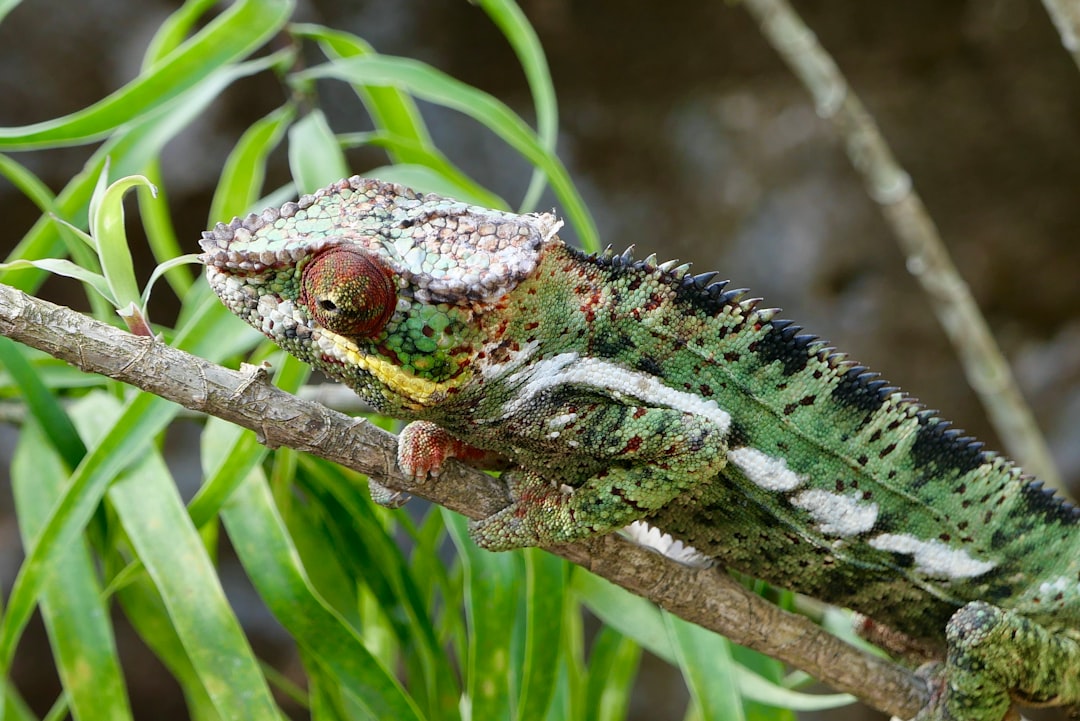
Interestingly, female chameleons also communicate their reproductive readiness by changing colors. Once impregnated, they frequently adopt darker markings to warn off further male advances.
Environmental Influences on Color Change
Temperature and light aren’t just background scenery; they’re important cues that influence how and when chameleons change their skin tone. For example:
- Sunlight exposure: Chameleons shift to darker colors in the morning to soak up warmth faster.
- Ambient temperature: Rapid environmental changes can trigger quick shifts to maintain homeostasis.
- Habitat camouflage: Background matching helps especially in predator-rich environments.
What’s thrilling is their ability to combine these factors. A chameleon might shift to darker tones both to warm up and to intimidate a rival — wrapping thermoregulation and communication into a single visual transformation.
Evolutionary Origins of the Chameleon’s Skill
Chameleons likely evolved their color-shifting capabilities over millions of years as a multi-use adaptation — simultaneously enhancing survival via camouflage and enabling social communication. Fossil records and molecular data suggest that these traits evolved after the chameleons branched off from other iguanid species, with expanding complexity in iridophore structures over time.
Interestingly, the more visually complex a chameleon’s environment, the more advanced its color-shifting ability tends to be. This indicates that environmental feedback may have guided the evolution of this trait through natural selection.
Applications in Science and Technology
The science behind chameleon skin is more than just biological trivia — it has real-world value. Engineers and researchers are experimenting with biomimetic materials that mimic chameleon skin to create color-changing fabrics, responsive coatings, and even smart wallpaper.
Here’s what’s in the pipeline:
- Wearable tech: Clothing that adjusts color based on temperature or mood.
- Military camouflage: Uniforms and vehicles that adapt to surroundings in real time.
- Medical diagnostics: Sensors that visually respond to body temperature or chemical changes.
All of this stems from understanding the molecular configuration and behavioral application of a chameleon’s ever-changing appearance.
Conclusion
Chameleons, members of the remarkable Chameleónovité family, are more than nature’s living kaleidoscopes — they’re a masterclass in evolutionary innovation. Their ability to change color isn’t just a party trick; it’s a symphony of biological engineering and physics working in perfect harmony. From cellular nanocrystals to emotion-driven pattern shifts, the chameleon continues to inspire awe, intrigue, and scientific inspiration in equal measure.
In their skin lies a secret not just of survival, but of the boundless creativity of nature, written in hues of green, crimson, sapphire, and gold.