Creative Ways To Blend Art And Architecture In Modern Urban Environments
5 min read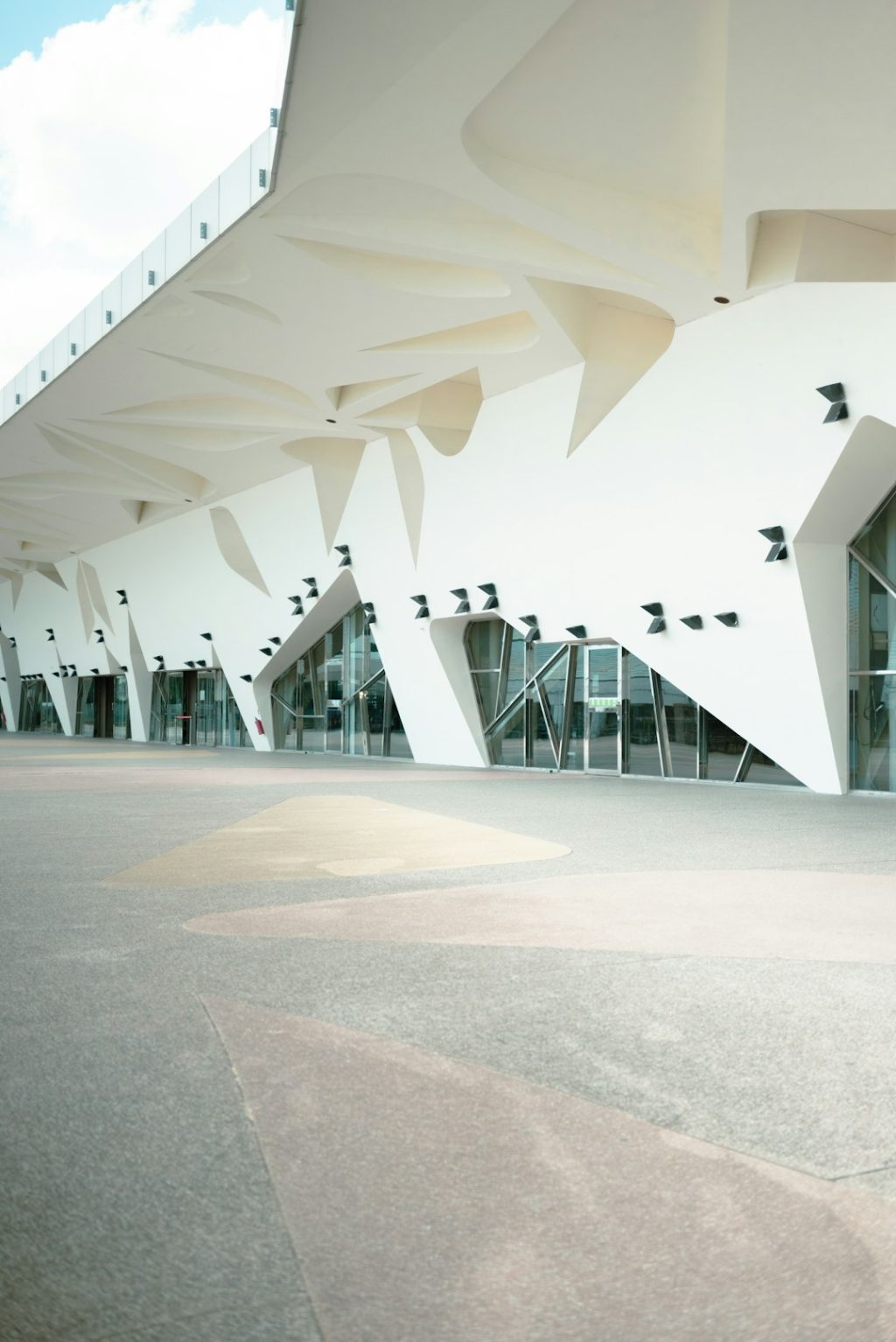
As cities grow denser and more complex, the boundaries between art and architecture are increasingly dissolving. Designers, urban planners, and artists are collaborating to create environments that are not only functional but also emotionally engaging and culturally resonant. This fusion transforms everyday buildings, streets, and public spaces into living canvases that reflect the identity and aspirations of modern urban life.
TLDR: Modern cities are blending art and architecture to create spaces that are functional, expressive, and human centered. From interactive façades to immersive public installations, creativity is reshaping how people experience urban environments. These approaches strengthen cultural identity, encourage community interaction, and make cities more memorable. The most successful projects integrate artistic intent from the earliest stages of architectural design.
Architecture as a Canvas for Artistic Expression
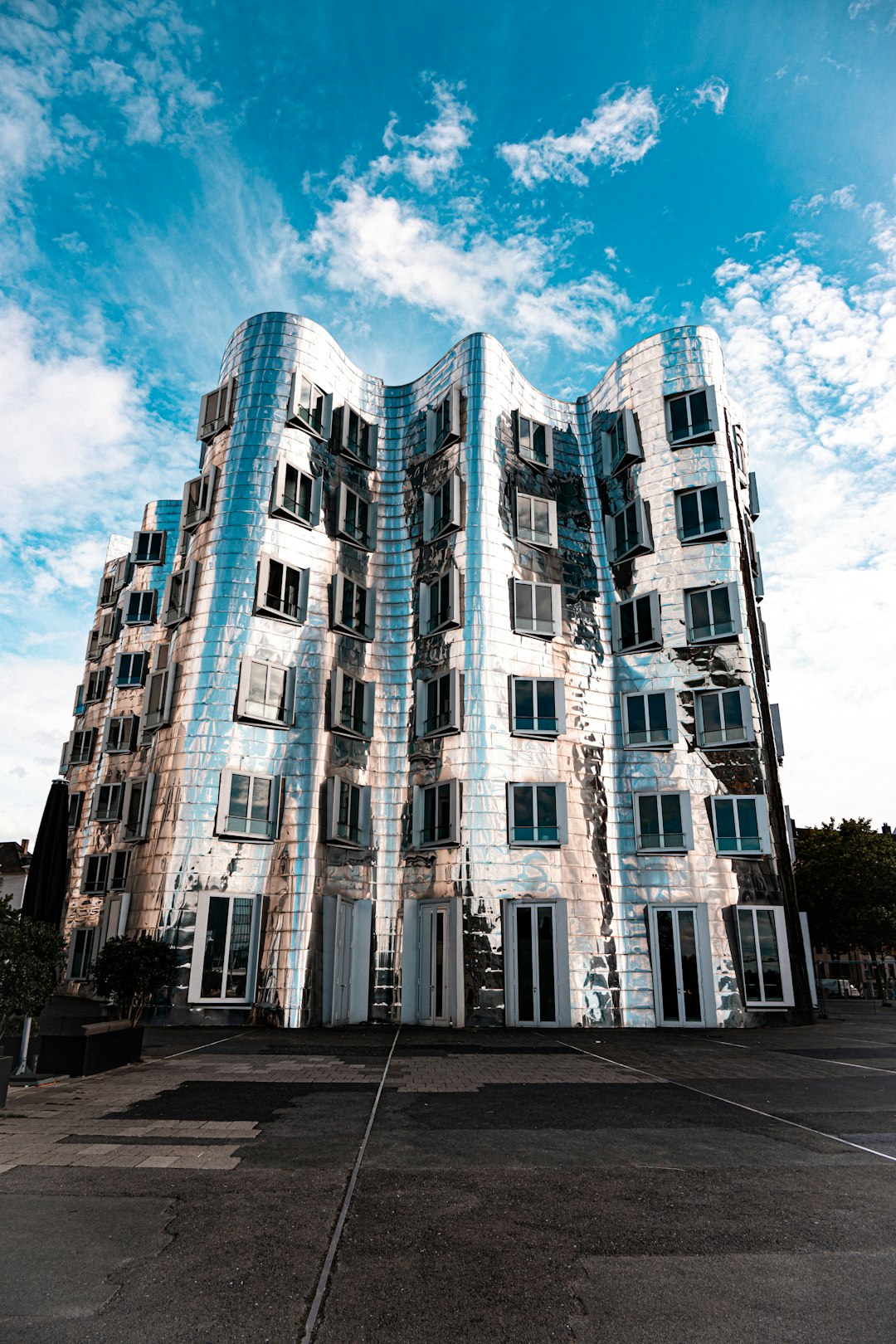
One of the most powerful ways art merges with architecture is when the building itself becomes a work of art. Instead of treating decoration as an afterthought, architects now integrate artistic concepts directly into a structure’s form, materials, and spatial composition. This approach results in buildings that communicate ideas, histories, and emotions before a person ever steps inside.
Examples include sculptural towers with flowing silhouettes, façades made from patterned metal or colored glass, and structures inspired by natural forms. These buildings often serve as landmarks, helping define a city’s visual identity while inviting public curiosity and engagement.
Public Art Embedded in Urban Infrastructure
Urban infrastructure such as bridges, underpasses, transit stations, and parking structures are increasingly seen as opportunities for creative intervention. Instead of remaining purely utilitarian, these spaces can host murals, light installations, and sculptural elements that transform overlooked areas into destinations.
When art is embedded into infrastructure, it enhances daily routines. Commuters waiting for a train might encounter a mosaic depicting local history, while pedestrians crossing a bridge may experience interactive lighting that responds to movement. These artistic enhancements humanize large scale structures and foster a sense of belonging within the city.
Interactive and Digital Installations
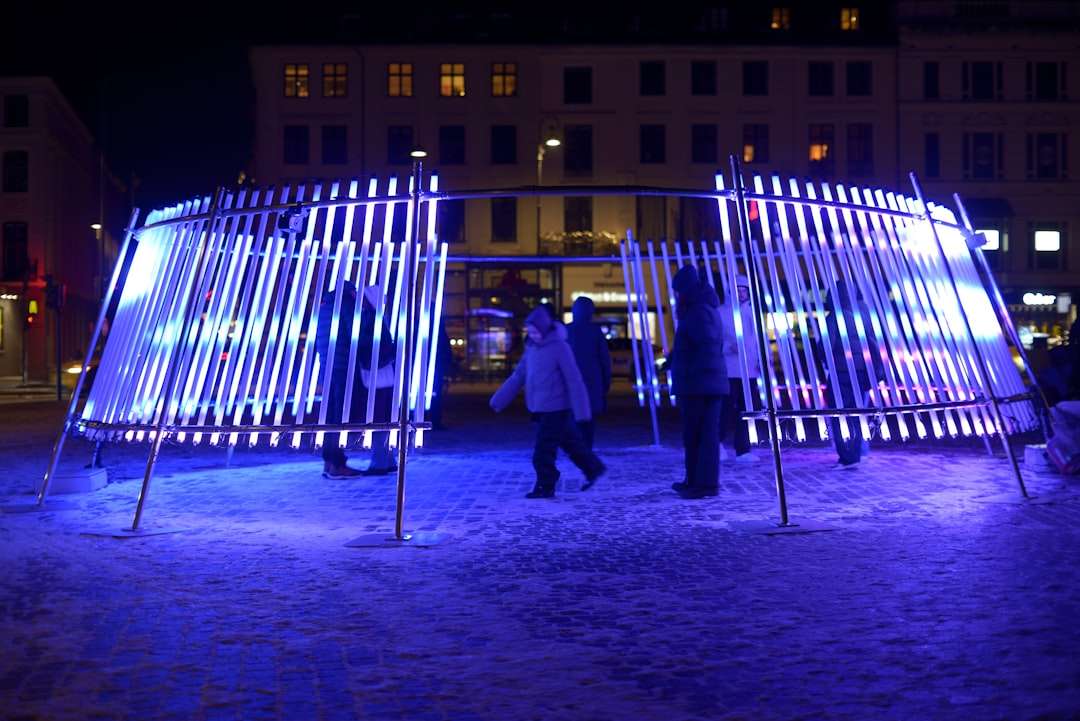
Technological advances have opened new possibilities for blending art and architecture through interactivity. Digital façades, projection mapping, and sensor driven installations allow buildings to respond to environmental conditions and human presence. This dynamic quality turns urban spaces into ever changing experiences.
Interactive art encourages participation rather than passive observation. A plaza might feature light patterns that shift as people walk through it, or a building exterior could display generative visuals influenced by weather data. These experiences make architecture feel alive and responsive, strengthening the connection between people and place.
Adaptive Reuse and Artistic Transformation
Another creative strategy is the artistic transformation of existing structures through adaptive reuse. Old factories, warehouses, and industrial sites are reimagined as cultural hubs, galleries, or mixed use developments. Art plays a central role in preserving the memory of these spaces while giving them new life.
By incorporating installations, murals, and sculptural elements, designers honor a building’s history while adapting it for contemporary needs. Exposed brick, steel beams, and weathered surfaces become part of the artistic narrative, creating environments that feel authentic and layered rather than generic.
Landscape Architecture as Living Art
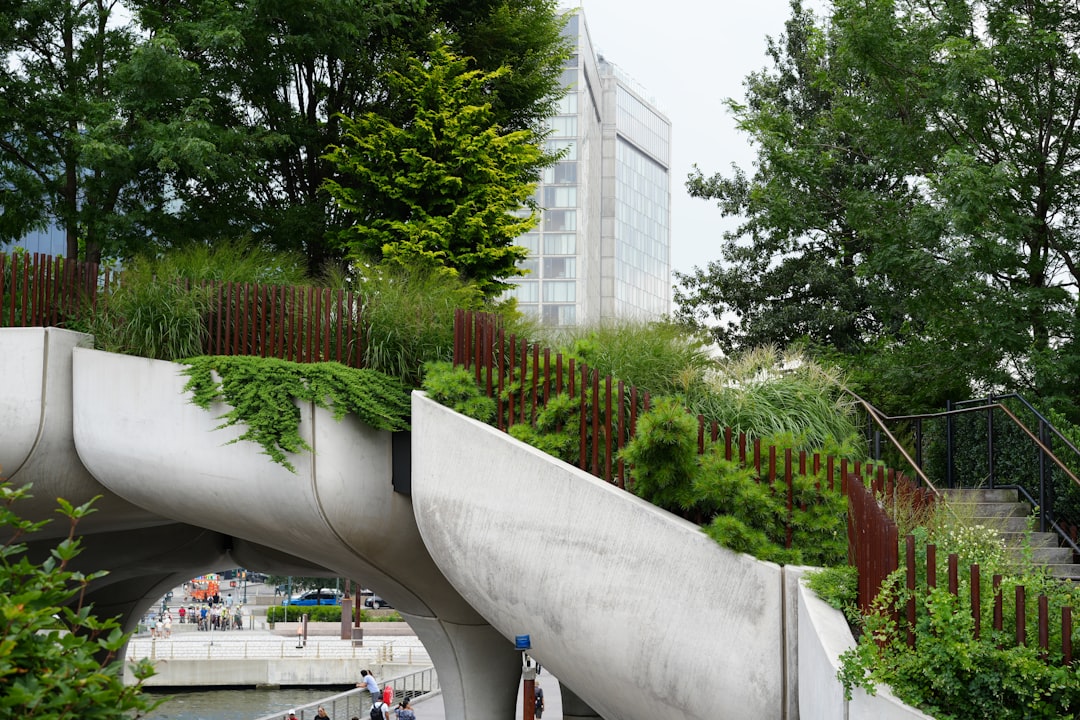
Art and architecture do not exist in isolation from nature, especially in urban environments where green spaces are highly valued. Landscape architecture offers opportunities to blend sculptural forms, plant design, and spatial planning into cohesive artistic expressions. Parks, plazas, and rooftop gardens can be designed as immersive artworks that evolve over time.
Creative landforms, water features, and thoughtfully arranged vegetation guide movement and frame views, much like an outdoor gallery. These spaces provide visual relief from dense cityscapes while improving environmental quality and public well being.
Community Driven Art and Architecture
Some of the most meaningful blends of art and architecture emerge from community collaboration. When local artists and residents are involved in the design process, the resulting spaces reflect shared values and stories. This participatory approach turns architecture into a platform for collective expression.
Community driven murals, custom tiles, and collaboratively designed public furniture empower residents to see themselves in the urban fabric. These projects often strengthen social ties and reduce vandalism by fostering a sense of ownership and pride.
Material Innovation and Craftsmanship
Innovative materials also play a vital role in merging art with architecture. Advances in fabrication allow for intricate patterns, textures, and forms that were previously difficult or costly to achieve. Materials such as perforated metal, parametric concrete panels, and engineered wood enable architects to explore artistic detailing at large scales.
At the same time, a renewed appreciation for craftsmanship encourages the use of hand made elements alongside advanced technologies. This balance between digital precision and human touch adds depth and warmth to modern urban environments.
The Cultural Impact on Urban Identity
When art and architecture are thoughtfully combined, they shape how cities are perceived both internally and globally. Iconic buildings and public artworks become symbols that represent cultural ambition and creativity. They attract tourism, support creative economies, and contribute to a city’s narrative.
More importantly, these environments influence daily life. Residents feel inspired, oriented, and emotionally connected to spaces that tell stories and invite exploration. In this way, blending art and architecture is not just an aesthetic choice but a cultural investment.
Looking Ahead: Designing Cities as Experiences
The future of urban design lies in creating experiences rather than isolated objects. As disciplines continue to overlap, architects will think more like artists, and artists will engage more deeply with spatial design. This interdisciplinary mindset ensures that cities evolve as vibrant, inclusive, and imaginative places.
By embracing creative collaboration, technological innovation, and cultural sensitivity, modern urban environments can transcend functionality. They can become expressive landscapes that resonate with people on intellectual, emotional, and sensory levels.
Frequently Asked Questions
- Why is blending art and architecture important in cities?
It enhances visual identity, improves quality of life, and creates emotionally engaging spaces that people connect with. - Does integrating art increase construction costs?
While some projects may require additional investment, early integration often leads to more efficient designs and long term cultural and economic value. - What role does technology play in this blend?
Technology enables interactivity, dynamic façades, and innovative materials that expand creative possibilities. - How can communities participate in art integrated architecture?
Through workshops, public consultations, and collaborations with local artists during the design process. - Can small cities benefit from these approaches?
Yes, even modest interventions can strengthen local identity and make everyday spaces more meaningful.