Best Telecom Expense Management Software 2026: Expense Control, Inventory Tracking, and Analytics
8 min read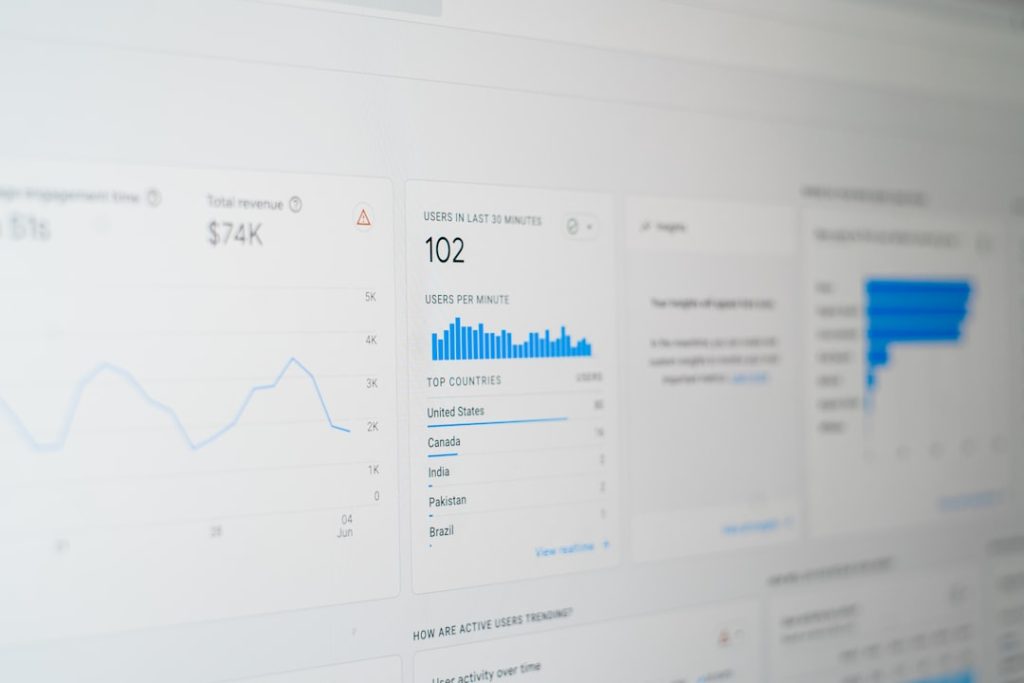
Telecom expense management has become a strategic priority as organizations enter 2026 with larger mobile fleets, distributed workforces, cloud communications, IoT deployments, and complex carrier contracts. The best telecom expense management software helps finance, IT, procurement, and operations teams control costs, maintain a reliable inventory, validate invoices, and turn telecom data into usable business intelligence.
TLDR: The best telecom expense management software in 2026 combines expense control, inventory tracking, invoice auditing, and analytics in one centralized platform. Leading solutions help organizations identify billing errors, unused services, contract leakage, and procurement inefficiencies. The strongest platforms also support mobile lifecycle management, carrier integrations, automation, and executive-level reporting.
What Telecom Expense Management Software Does
Telecom expense management software, often called TEM software, is designed to help organizations manage the full lifecycle of telecom and technology services. This can include fixed voice, mobile, data circuits, unified communications, conferencing, cloud connectivity, IoT lines, and network services.
In 2026, TEM platforms are no longer simple invoice repositories. The best systems provide a connected view of spend, assets, contracts, users, locations, vendors, and usage. They help teams understand what the organization owns, what it pays for, whether charges are accurate, and where savings can be achieved.

Key Features to Look for in 2026
Organizations evaluating telecom expense management platforms should focus on capabilities that reduce manual work and improve visibility. The most valuable solutions typically include the following features:
- Invoice management: Automated intake, normalization, validation, allocation, and payment workflow for telecom invoices.
- Audit and dispute management: Detection of billing errors, duplicate charges, incorrect rates, missing credits, and contract mismatches.
- Inventory tracking: A centralized record of circuits, mobile lines, devices, SIMs, locations, contracts, and service owners.
- Cost allocation: Chargeback and showback tools that assign telecom spend to departments, business units, users, or projects.
- Contract compliance: Comparison of invoice charges against negotiated carrier rates, terms, discounts, and service commitments.
- Mobile lifecycle management: Support for ordering, provisioning, device assignment, plan optimization, repairs, returns, and deactivations.
- Analytics and reporting: Dashboards that expose trends, anomalies, savings opportunities, and vendor performance.
- Workflow automation: Configurable approvals for orders, disputes, inventory changes, and budget exceptions.
Best Telecom Expense Management Software for 2026
The best TEM software depends on organization size, global footprint, existing systems, and internal resources. Some platforms are designed for large multinational enterprises, while others are a better fit for midmarket companies that need simplicity and managed services.
1. Tangoe
Tangoe is often considered one of the most established enterprise telecom expense management platforms. It supports telecom, mobile, cloud, and technology expense management, making it suitable for organizations with complicated vendor ecosystems.
Its strengths include large-scale invoice processing, global telecom inventory, automated audits, managed services, and analytics. Enterprises with many carriers, regions, and service categories may find Tangoe useful because it combines software with expert support. It is especially relevant for companies seeking a broad technology expense management approach rather than a narrow telecom-only tool.
2. Calero
Calero offers telecom expense management, mobility management, and managed services for enterprises with complex communications environments. Its platform helps manage fixed telecom services, mobile assets, invoices, orders, and reporting.
Calero is a strong option for organizations that want deep visibility across network services, mobile devices, and usage patterns. Its reporting and dashboard capabilities help finance and IT teams identify recurring savings opportunities and manage telecom assets throughout their lifecycle.
3. Sakon
Sakon provides a technology expense management platform with strong capabilities in telecom inventory, mobile management, invoice processing, and service lifecycle workflows. It is commonly used by organizations that need a centralized platform for managing large volumes of telecom and mobile data.
The platform is useful for enterprises that want to connect ordering, inventory, invoices, and analytics. Sakon’s approach is especially valuable when companies need better control over who owns each service, where it is used, and whether it should continue to be funded.
4. Brightfin
Brightfin is known for telecom expense management, IT financial management, and mobile lifecycle support. It helps companies manage telecom spend, mobile devices, cloud services, and related technology expenses.
Brightfin may be attractive to organizations seeking a modern interface and broader visibility into technology costs. Its capabilities often support teams looking to combine telecom data with IT asset and financial workflows. For 2026, this kind of convergence is increasingly important as telecom spend overlaps with SaaS, cloud, collaboration, and device management.

5. vCom Solutions
vCom Solutions combines telecom lifecycle management software with managed services. It is frequently considered by midmarket and enterprise organizations that want help managing telecom services, vendors, contracts, invoices, and procurement.
The platform is particularly useful for companies that prefer a practical, service-backed model. Instead of relying only on internal staff, organizations can use vCom’s support to handle carrier coordination, invoice review, inventory management, and cost optimization.
6. Cass Information Systems
Cass Information Systems offers telecom expense management with a strong focus on invoice processing, payment, audit, and financial controls. It is well suited for organizations that process many invoices and need reliable payment governance.
Cass can be a good fit for finance-led TEM initiatives because it emphasizes accuracy, compliance, spend visibility, and payment workflows. For organizations with strict accounting requirements, invoice validation and payment controls may be just as important as inventory management.
7. Ezwim
Ezwim provides telecom expense management and invoice analytics capabilities for organizations that need visibility into usage, cost allocation, and reporting. It can support telecom invoices, mobile services, and enterprise chargeback processes.
Ezwim may be valuable for companies that want detailed reporting and user-level transparency. Its strengths include making telecom charges easier to interpret, distribute, and analyze across departments.
How TEM Software Controls Expenses
Expense control is one of the primary reasons organizations invest in telecom expense management software. Telecom bills often contain hidden errors, outdated services, unused mobile lines, incorrect taxes, missing discounts, and unapproved changes. Without automation, these problems can continue for months or years.
The best platforms control expenses by comparing invoices against contracts, service inventory, historical charges, and expected rates. When a discrepancy appears, the system flags it for review or dispute. This helps organizations recover credits and prevent future overcharges.
Another major source of savings comes from optimization. TEM software can identify zero-usage lines, oversized mobile plans, redundant circuits, and services assigned to former employees. By removing waste, organizations can reduce recurring monthly costs without affecting business operations.
Why Inventory Tracking Matters
Telecom inventory is often difficult to maintain because services are purchased over many years, through multiple carriers, across different locations and departments. Mergers, office moves, remote work, and employee turnover make the problem more complicated.
A strong TEM platform creates a single source of truth for telecom assets. It records details such as service type, carrier, location, account number, contract, monthly recurring charge, assigned user, device model, upgrade date, and cancellation status.
Accurate inventory tracking improves more than cost control. It also supports cybersecurity, compliance, procurement planning, and operational resilience. If a location outage occurs, teams can quickly identify the affected circuits and carriers. If a mobile device is lost, the organization can determine ownership, service status, and replacement options.
Analytics and Reporting in 2026
In 2026, analytics is one of the biggest differentiators among TEM platforms. Basic reporting is no longer enough. Decision-makers need dashboards that show spend trends, vendor performance, savings opportunities, budget variance, location-level costs, and service utilization.
Advanced platforms use rules, benchmarks, and sometimes machine learning to highlight unusual activity. For example, a sudden increase in international roaming, a new recurring charge, or a circuit rate that exceeds contract pricing can be identified quickly.

Good analytics also improves negotiations. When procurement teams have accurate data on usage, contract terms, outages, and total spend, they are in a stronger position to negotiate carrier agreements. This turns TEM software into a strategic sourcing tool, not just an accounting utility.
How to Choose the Right TEM Platform
The right solution should match the organization’s size, geography, telecom complexity, and internal capacity. A global enterprise may need multilingual support, tax handling, international carrier integrations, and advanced workflow configuration. A midmarket company may prioritize ease of use, fast implementation, and managed services.
Before selecting software, organizations should assess the following:
- Scope: Whether the platform supports fixed telecom, mobile, cloud, IoT, and collaboration services.
- Automation: How much invoice processing, validation, and workflow routing can be automated.
- Integration: Compatibility with ERP, accounting, procurement, HR, ITSM, and mobile device management systems.
- Data quality: How the vendor cleanses, normalizes, and maintains telecom inventory data.
- Managed services: Availability of expert support for audits, disputes, ordering, and carrier management.
- Reporting: Whether dashboards are useful for finance, IT, procurement, and executives.
- Scalability: Ability to support growth, acquisitions, new locations, and changing technology categories.
Common Mistakes to Avoid
Organizations sometimes treat TEM as a one-time audit instead of an ongoing discipline. A one-time audit can recover money, but recurring savings require continuous monitoring, accurate inventory, and active governance.
Another mistake is choosing a system based only on invoice processing. While invoice automation is important, the best platforms also manage inventory, orders, contracts, disputes, and analytics. Without these connected functions, teams may still struggle to understand why costs are changing.
It is also risky to underestimate implementation. Telecom data is often messy, fragmented, and inconsistent. Successful projects require carrier bill collection, inventory reconciliation, stakeholder alignment, and clear ownership of approval workflows.
Final Thoughts
The best telecom expense management software for 2026 helps organizations move from reactive bill review to proactive technology cost governance. Platforms such as Tangoe, Calero, Sakon, Brightfin, vCom Solutions, Cass Information Systems, and Ezwim each offer different strengths for expense control, inventory tracking, and analytics.
For most organizations, the strongest choice will be the platform that delivers accurate data, practical automation, clear reporting, and measurable savings. As communications environments continue to expand, TEM software will remain essential for maintaining financial control and operational visibility.
FAQ
What is telecom expense management software?
Telecom expense management software helps organizations manage telecom invoices, contracts, inventory, mobile devices, carrier services, disputes, and reporting from a centralized platform.
Why is TEM software important in 2026?
It is important because telecom environments now include mobile fleets, remote work, cloud communications, IoT, and global carrier services. Manual tracking is usually not enough to control costs or maintain accurate inventory.
What is the best telecom expense management software?
The best option depends on organizational needs. Leading choices include Tangoe, Calero, Sakon, Brightfin, vCom Solutions, Cass Information Systems, and Ezwim.
How does TEM software save money?
It saves money by finding billing errors, unused services, duplicate charges, incorrect rates, contract mismatches, and optimization opportunities such as inactive mobile lines or oversized plans.
Does TEM software manage mobile devices?
Many leading TEM platforms include mobile lifecycle management, covering device ordering, assignment, plan optimization, upgrades, returns, and deactivation.
Who uses telecom expense management software?
Finance, IT, procurement, operations, and telecom teams commonly use TEM software to manage spend, validate invoices, track assets, and support vendor negotiations.