Soon Application: Features, Benefits, and Use Cases
7 min read
Organizations increasingly need tools that make planning, coordination, and accountability easier without adding unnecessary complexity. The Soon application is designed for teams that need a practical way to manage schedules, availability, shifts, tasks, communication, and operational visibility in one place. While its exact configuration may vary by organization, the core value of Soon lies in helping managers and employees work with clearer expectations, fewer manual processes, and better access to timely information.
TLDR: Soon is a workforce planning and coordination application that helps teams organize schedules, availability, shifts, and communication more efficiently. It is especially useful for businesses with rotating staff, service operations, distributed teams, or changing workloads. Its main benefits include improved visibility, reduced scheduling friction, better employee engagement, and more reliable operational planning. For organizations that still depend on spreadsheets, messages, or manual updates, Soon can provide a more structured and dependable alternative.
What Is the Soon Application?
The Soon application is best understood as a team scheduling and workforce coordination platform. It gives businesses a centralized environment where managers can plan work, employees can view their responsibilities, and teams can stay informed about upcoming changes. Instead of relying on disconnected spreadsheets, email threads, chat messages, or paper schedules, Soon brings essential planning information into a digital interface that can be accessed when needed.
For many organizations, scheduling is not simply about assigning people to time slots. It involves understanding availability, balancing workloads, managing last-minute changes, ensuring adequate coverage, and keeping employees informed. Soon supports these operational needs by creating a clearer relationship between planning, communication, and execution.

Core Features of Soon
The strength of Soon lies in its combination of practical features. These features are especially relevant for organizations that operate with multiple employees, changing schedules, or customer-facing responsibilities.
1. Schedule Planning
At the center of Soon is schedule planning. Managers can create and adjust schedules in a structured way, helping ensure that the right people are assigned to the right work at the right time. This can reduce the risk of missed shifts, double bookings, or unclear responsibilities.
A reliable scheduling system is particularly important in environments where staffing levels directly affect customer service, safety, productivity, or revenue. By making schedules easier to view and update, Soon helps teams respond to changes with less confusion.
2. Availability Management
Employees often have changing availability, time-off requests, personal commitments, or preferred working hours. Soon can help collect and organize this information so managers do not have to track it manually. This makes planning more accurate and reduces avoidable scheduling conflicts.
Availability management is not only a convenience; it is also a way to create a more respectful and sustainable workplace. When employees can communicate availability clearly, managers are better positioned to make fair and informed decisions.
3. Shift Visibility
One of the most valuable functions of a scheduling application is simple visibility. Employees need to know when they are working, where they are expected to be, and whether anything has changed. Soon can provide a clear view of upcoming shifts and responsibilities, reducing the dependency on informal reminders.
This visibility also benefits managers, who can quickly identify open shifts, gaps in coverage, or potential overstaffing. In fast-moving operations, that level of oversight can be essential.
4. Communication Support
Scheduling changes often require fast communication. If a shift is updated, a team member becomes unavailable, or coverage is needed, the information must reach the right people promptly. Soon can support this by keeping schedule-related communication closer to the schedule itself.
This helps reduce the common problem of important updates being buried in unrelated chat threads or lost in email inboxes. When communication is tied to operational planning, teams are more likely to act on accurate information.
5. Task and Responsibility Coordination
Depending on how a team uses the application, Soon may also support task assignments or responsibility tracking. This can help clarify not only when someone is working, but also what they are expected to do. For managers, that creates a more complete picture of coverage and execution.
For employees, clearly defined responsibilities can reduce uncertainty and improve accountability. This is especially useful in environments where tasks vary by role, shift, location, or customer demand.
Key Benefits for Businesses
A scheduling application is only valuable if it improves real operational outcomes. Soon can create measurable benefits by reducing avoidable friction and helping teams manage time and people more effectively.
- Reduced administrative workload: Managers spend less time updating spreadsheets, sending reminders, or resolving basic scheduling questions.
- Better staffing accuracy: Teams can plan coverage based on availability, shift requirements, and operational demand.
- Improved transparency: Employees have clearer access to schedules and changes, which helps reduce misunderstandings.
- Faster response to change: Open shifts, absences, and schedule adjustments can be handled more efficiently.
- Higher employee confidence: Workers are more likely to trust the schedule when it is accessible, current, and consistently managed.
These benefits often lead to more stable daily operations. For businesses that rely on hourly staff, rotating shifts, or shift-based service delivery, even small improvements in scheduling accuracy can have a meaningful impact.
Benefits for Employees
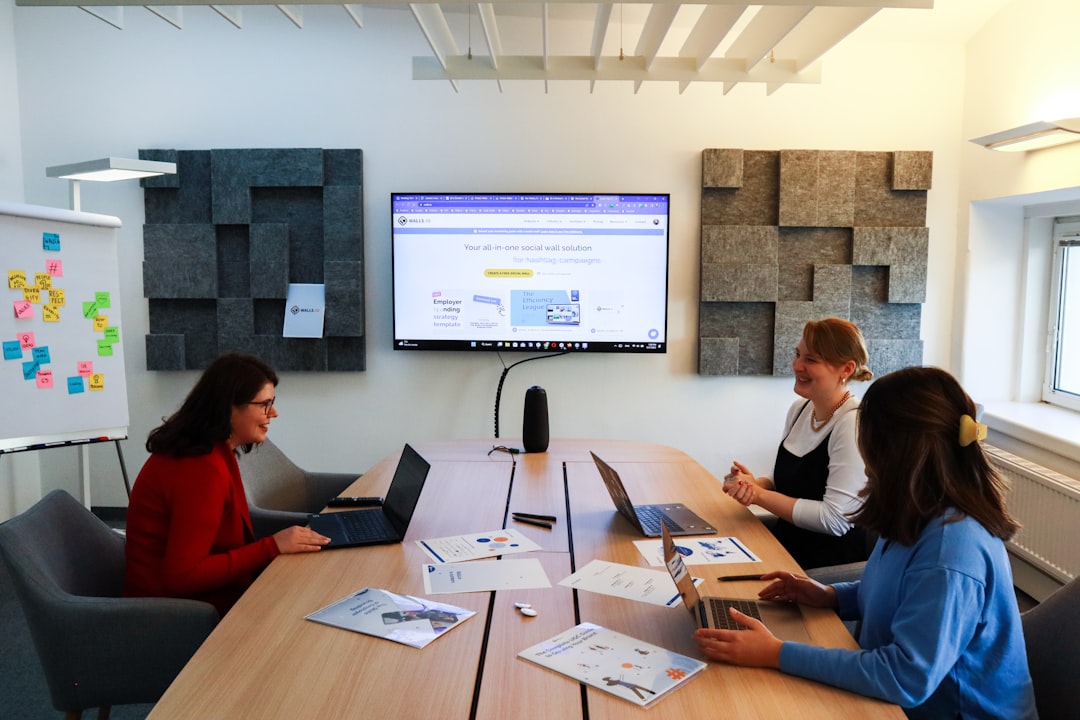
Although scheduling applications are often adopted by management, employees can benefit significantly as well. A well-implemented system gives workers more clarity and control over their working lives.
Employees can typically check schedules without contacting a supervisor, confirm upcoming responsibilities, and stay informed about changes. When availability and requests are handled through a clear process, employees may also feel that their time is being considered more fairly.
This matters because poor scheduling is a common source of workplace stress. Last-minute confusion, unclear expectations, or inconsistent communication can reduce morale. A serious scheduling process supported by a dependable application can help create a more organized and respectful work environment.
Common Use Cases for Soon
Soon can be useful across a variety of industries and team structures. Its value is strongest where people, time, and operational coverage must be coordinated carefully.
Retail Stores
Retail teams often need to schedule staff around peak hours, seasonal demand, deliveries, customer service needs, and employee availability. Soon can help managers plan coverage for busy periods while giving employees a reliable way to view their shifts.
Hospitality and Food Service
Restaurants, cafés, hotels, and event venues often deal with rotating shifts and variable demand. A centralized scheduling tool can help reduce confusion around opening, closing, service, cleaning, and support roles. If a staff member cannot work, managers can identify coverage needs faster.
Customer Support Teams
Support operations may need coverage across different hours, regions, languages, or service channels. Soon can help organize schedules so that customers are supported consistently and managers can see whether coverage aligns with expected demand.
Healthcare and Care Services
In care-based environments, staffing reliability is especially important. While organizations must always ensure that any tool they use meets their regulatory and privacy requirements, scheduling visibility can help coordinate caregivers, administrative staff, and support personnel more effectively.
Field Service and Mobile Teams
Teams that work across multiple locations often need clear assignments and timely updates. Soon can help field employees understand where they need to be, when they are expected, and whether plans have changed.

Operational Considerations Before Adoption
Before implementing Soon, organizations should consider how the application will fit into their existing processes. A digital tool works best when the business has clear rules for scheduling, time-off requests, shift changes, and manager approvals.
Important questions include:
- Who is responsible for creating and approving schedules?
- How far in advance should schedules be published?
- What process should employees follow to request changes?
- How will open shifts or absences be handled?
- What information should employees be expected to check regularly?
Answering these questions helps prevent confusion during rollout. The application should support a disciplined process, not replace the need for good management practices.
Best Practices for Implementation
To get the most value from Soon, organizations should introduce it with clear communication and consistent expectations. Employees should understand why the application is being used, how it benefits them, and what actions they are expected to take.
- Start with clean data: Make sure employee profiles, roles, locations, and availability details are accurate before relying on the system.
- Train managers first: Managers should be confident using the application before employees are asked to depend on it.
- Set communication standards: Define whether schedule changes will be considered official only when updated in the application.
- Review early feedback: Employees may identify practical issues that can be resolved quickly during rollout.
- Monitor performance: Track whether scheduling conflicts, missed shifts, or administrative workload decrease over time.
Why Soon Matters
In many businesses, scheduling problems are treated as routine inconveniences. In reality, they can affect customer experience, employee satisfaction, labor costs, and managerial productivity. A serious approach to workforce coordination can improve both day-to-day operations and long-term organizational stability.
Soon matters because it addresses a practical business problem with a structured digital solution. It gives managers better control over planning and gives employees clearer access to the information they need. When used consistently, it can reduce uncertainty, improve accountability, and make scheduling a more transparent process.
Conclusion
The Soon application is a valuable option for organizations that need a more reliable way to manage schedules, availability, shifts, and team coordination. Its features support better planning, clearer communication, and faster responses to operational changes. For employees, it can provide greater visibility and reduce confusion around work commitments.
Like any business tool, Soon is most effective when paired with thoughtful processes and consistent management. Organizations should define their scheduling policies, train users properly, and review performance after adoption. Used responsibly, Soon can become more than a scheduling app; it can serve as a practical foundation for more organized, transparent, and dependable workforce management.