AddPlus: Features, Benefits, and Use Cases
8 min read
AddPlus has emerged as a flexible solution for organizations that need a smarter way to manage growth, streamline operations, and connect multiple business functions in one place. Rather than focusing on a single task, AddPlus is often positioned as a practical platform that helps teams improve productivity, organize workflows, and make better use of data. Its value comes from combining usability with adaptable features that can fit different industries, team sizes, and operational goals.
TLDR: AddPlus is a versatile productivity and operations platform designed to help businesses simplify workflows, automate routine tasks, and improve visibility across teams. It offers features such as centralized dashboards, integrations, reporting tools, collaboration options, and scalable configuration. Organizations can use AddPlus for project management, customer support, sales operations, internal communication, and data-driven decision-making. Its biggest benefits include better efficiency, reduced manual work, improved coordination, and easier growth management.
What Is AddPlus?
AddPlus is best understood as a multi-purpose business enablement platform that helps organizations add structure, automation, and intelligence to their daily processes. It can support teams that want to move away from scattered spreadsheets, disconnected apps, and manual follow-ups. By bringing key tools into a more unified environment, AddPlus allows companies to manage tasks, data, communications, and performance tracking with greater consistency.
The platform is especially useful for businesses that are growing quickly or managing several departments at once. In such environments, information can easily become fragmented. AddPlus helps reduce this problem by giving teams a shared space where updates, assignments, metrics, and documents can be accessed more efficiently.
Core Features of AddPlus
AddPlus includes a range of features that can support both everyday operations and higher-level planning. While exact capabilities may vary depending on implementation, most AddPlus environments focus on the following core functions.
1. Centralized Dashboard
One of the most important features of AddPlus is its centralized dashboard. This dashboard gives users a clear overview of ongoing tasks, performance indicators, deadlines, customer activity, or team updates. Instead of switching between multiple systems, teams can monitor essential information from one convenient location.
A well-designed dashboard helps managers identify bottlenecks, track progress, and respond quickly when priorities change. It also gives employees a better understanding of their responsibilities and how their work fits into broader company goals.
2. Workflow Automation
AddPlus can help organizations automate repetitive work such as status updates, task assignments, approval requests, customer notifications, and reporting schedules. Automation reduces the need for manual input and helps prevent common errors caused by missed messages or delayed follow-ups.
For example, when a new lead enters a sales pipeline, AddPlus can automatically assign it to a sales representative, create a follow-up reminder, and update the reporting dashboard. This kind of automation improves consistency and helps teams operate with less friction.
3. Team Collaboration Tools
Modern teams need simple ways to communicate, share files, and coordinate tasks. AddPlus typically provides collaboration features such as comments, shared workspaces, notifications, mentions, document access, and role-based visibility. These tools make it easier for team members to stay aligned without relying entirely on long email threads.
Collaboration becomes more effective when everyone can see the same source of truth. AddPlus supports this by giving departments a shared operational environment where updates are easier to locate and responsibilities are clearer.
4. Integrations With Other Tools
Another valuable feature of AddPlus is its ability to connect with other business applications. These may include customer relationship management systems, email platforms, accounting tools, e-commerce platforms, help desk software, analytics tools, and communication apps.
Integrations are important because most organizations already use several digital tools. AddPlus can act as a bridge between them, helping information move more smoothly across systems. This reduces duplicate data entry and makes business processes more connected.
5. Reporting and Analytics
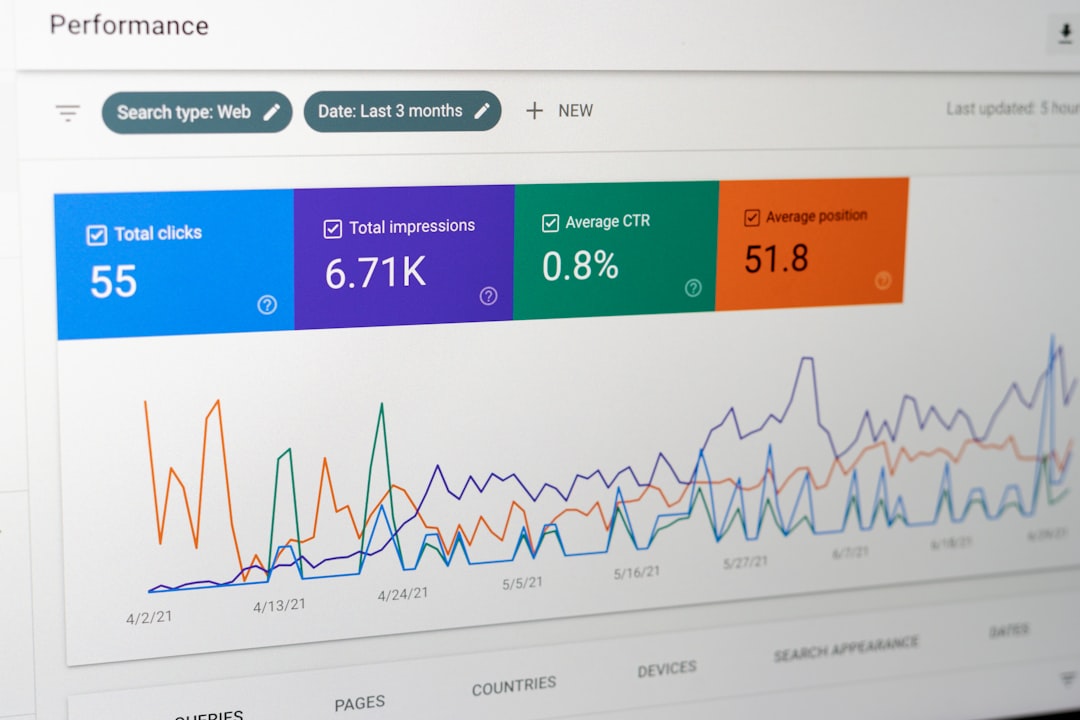
AddPlus helps businesses measure performance through reports, charts, and analytics views. These tools can be used to track sales progress, support response times, project completion rates, marketing performance, inventory activity, or employee productivity.
With stronger reporting, decision-makers can move beyond guesswork. They can identify trends, compare results, and adjust strategies based on evidence. For growing companies, this visibility is especially valuable because it supports smarter planning.
6. Customizable Workflows
Different teams have different processes. A marketing team may need campaign calendars and approval flows, while a customer support team may need ticket queues and escalation rules. AddPlus usually allows workflows to be customized so that departments can shape the platform around their actual needs.
This flexibility makes AddPlus useful across a wide range of use cases. Rather than forcing every team into one rigid structure, it can support multiple ways of working inside the same organization.
Key Benefits of AddPlus
The value of AddPlus is not limited to its features. Its real strength comes from the business outcomes those features can create. When implemented well, AddPlus can help organizations become more efficient, responsive, and scalable.
- Improved productivity: Teams spend less time searching for information, updating spreadsheets, or repeating manual tasks.
- Better visibility: Managers can see progress, workload, and performance from a centralized view.
- Stronger collaboration: Employees can share updates, assign responsibilities, and communicate in context.
- Reduced errors: Automated workflows and standardized processes help limit mistakes.
- Faster decision-making: Real-time reports and analytics provide clearer insight into business activity.
- Greater scalability: AddPlus can support expanding teams, increasing workloads, and more complex processes.

Common Use Cases for AddPlus
AddPlus can serve many different business functions. Its adaptability makes it suitable for small teams, mid-sized companies, and larger organizations that need better coordination across departments.
Project Management
Project teams can use AddPlus to plan timelines, assign tasks, monitor milestones, and track deliverables. Managers can see which tasks are completed, which are delayed, and which team members may need additional support. This makes project execution more transparent and organized.
Sales Operations
Sales teams can use AddPlus to manage leads, track opportunities, schedule follow-ups, and monitor revenue goals. Automated reminders help representatives stay on top of prospects, while dashboards give managers a clear view of pipeline health. This can improve both accountability and conversion rates.
Customer Support
Customer service departments can use AddPlus to manage support requests, assign tickets, track response times, and identify recurring customer issues. With the right setup, AddPlus can help support teams prioritize urgent cases and maintain consistent service standards.
Marketing Campaign Management
Marketing teams often manage many moving parts, including content calendars, campaign assets, approval processes, budgets, and performance metrics. AddPlus can help organize these activities in one place, making campaigns easier to coordinate from planning to analysis.
Human Resources
Human resources teams can use AddPlus to manage recruiting pipelines, onboarding checklists, employee requests, training schedules, and internal documentation. By standardizing HR workflows, organizations can create a smoother employee experience and reduce administrative strain.
Operations and Administration
Operations teams can use AddPlus to document procedures, track internal requests, manage vendors, monitor inventory tasks, or coordinate facilities-related work. Administrative teams benefit from having repeatable processes that are easy to follow and measure.
Why Businesses Choose AddPlus
Organizations often choose AddPlus because it offers a balance of structure and flexibility. It can provide the order that teams need without removing the ability to customize processes. This is especially useful for businesses that are moving from informal systems to more mature operational practices.
Another reason businesses value AddPlus is its potential to reduce tool overload. Many companies accumulate separate applications for task tracking, communication, reporting, and data management. Over time, this can create confusion and inefficiency. AddPlus can help simplify the digital workspace by connecting or consolidating important functions.
For leadership teams, AddPlus also supports stronger oversight. Instead of relying on scattered updates, leaders can review dashboards and reports that summarize what is happening across the organization. This makes it easier to plan resources, identify risks, and respond to changing priorities.
Implementation Considerations
To gain the most value from AddPlus, organizations should approach implementation thoughtfully. A successful rollout usually begins with identifying the processes that need improvement. Teams should define what information must be tracked, who needs access, and which workflows should be automated first.
Training is also important. Even user-friendly platforms require clear guidance so that employees understand how to use them consistently. Businesses may benefit from creating internal standards, naming conventions, workflow rules, and reporting expectations.

It is often wise to start with a limited rollout before expanding across the entire organization. For example, a company might first use AddPlus for project management, then later add sales tracking, support workflows, or HR processes. This phased approach helps reduce disruption and allows teams to refine the platform over time.
Best Practices for Using AddPlus
There are several best practices that can help organizations use AddPlus effectively:
- Start with clear goals: The organization should define what success looks like before configuring the platform.
- Keep workflows simple at first: Overly complex setups can confuse users and slow adoption.
- Use automation strategically: Automation should remove friction, not create unnecessary notifications or steps.
- Maintain clean data: Accurate data improves reporting, forecasting, and decision-making.
- Review performance regularly: Dashboards and reports should be monitored to identify opportunities for improvement.
- Encourage feedback: Users should be able to suggest changes that make workflows more practical.
The Future Potential of AddPlus
As businesses continue to rely on digital systems, platforms like AddPlus are likely to become more important. Teams increasingly need tools that do more than store information. They need systems that help them act on that information, automate routine steps, and communicate clearly across departments.
AddPlus has strong potential as a foundation for more connected operations. With continued improvements in analytics, integrations, and intelligent automation, it can support faster growth and more informed business planning. For organizations seeking better structure without sacrificing flexibility, AddPlus can be a practical and forward-looking choice.
FAQ
What is AddPlus used for?
AddPlus is used to organize workflows, automate routine tasks, improve team collaboration, manage data, and track business performance through dashboards and reports.
Who can benefit from AddPlus?
Small businesses, growing companies, department managers, project teams, sales teams, support teams, HR departments, and operations groups can all benefit from AddPlus.
Is AddPlus only for project management?
No. While AddPlus can support project management, it can also be used for sales operations, customer support, marketing coordination, HR workflows, reporting, and administration.
What are the main benefits of AddPlus?
The main benefits include improved productivity, better visibility, stronger collaboration, reduced manual work, fewer errors, and more scalable business processes.
Does AddPlus support automation?
Yes. AddPlus can support workflow automation, such as task assignments, reminders, approval routing, notifications, and recurring reports.
Can AddPlus integrate with other tools?
In many implementations, AddPlus can connect with other business tools, allowing data and updates to flow more smoothly between systems.
How should a company start using AddPlus?
A company should begin by identifying key workflow problems, setting clear goals, configuring a simple initial process, training users, and expanding gradually as teams become comfortable.