Top Classroom 15x Platforms for Educational Gamified Learning
7 min read
Gamified learning has moved far beyond simple points and badges. In today’s classrooms, the best platforms turn quizzes, discussions, coding practice, reading challenges, and collaborative projects into experiences that feel active, social, and motivating. Whether you teach elementary students, high school learners, or adult trainees, the right tool can help make participation more visible and learning progress easier to track.
TLDR: The top classroom gamified learning platforms combine engagement, feedback, competition, collaboration, and analytics. Tools like Kahoot!, Quizizz, Blooket, Classcraft, Gimkit, and Minecraft Education help teachers turn ordinary lessons into interactive challenges. The best choice depends on your subject, student age, classroom goals, and whether you want quick review games, long-term motivation systems, or immersive project-based learning.
Why Gamified Learning Works
Gamification works because it taps into something learners already understand: progress. Students like seeing themselves improve, unlocking achievements, earning rewards, and competing in friendly ways. When used thoughtfully, classroom game mechanics can increase motivation without reducing learning to entertainment.
The strongest gamified platforms support several important teaching goals:
- Instant feedback: Students quickly see what they know and what they need to review.
- Active participation: More learners contribute because the format feels less intimidating.
- Healthy competition: Leaderboards, teams, and challenges can make review sessions more exciting.
- Personalized pacing: Many tools allow students to move through content at their own speed.
- Teacher insight: Reports help educators identify gaps, strengths, and patterns.

1. Kahoot!
Kahoot! is one of the most recognizable gamified learning platforms, especially for live classroom quizzes. Teachers create multiple-choice questions, polls, puzzles, and slides, then students join using a device. Its bright visuals, countdown music, and scoreboard make it feel like a game show.
Kahoot! is best for review sessions, warm-ups, exit tickets, and quick checks for understanding. It works well across many grade levels, though teachers should balance speed-based play with thoughtful discussion so accuracy and reasoning matter as much as fast clicking.
2. Quizizz
Quizizz offers a flexible alternative to live quiz games. Students can play synchronously in class or asynchronously as homework. The platform includes memes, power-ups, leaderboards, and detailed performance reports, making it both playful and practical.
One of Quizizz’s biggest strengths is pacing. Students can answer questions independently, which reduces pressure for learners who need more time. Teachers can also use its question bank to build activities quickly.
3. Blooket
Blooket adds a collectible-game twist to classroom quizzes. Students answer academic questions while participating in different game modes, such as tower defense, racing, or resource collection. The variety keeps repeated practice from feeling stale.
Blooket is popular with upper elementary and middle school students because it feels closer to the casual games they already enjoy. It is especially useful for vocabulary, math facts, history review, and science terminology.
4. Gimkit
Gimkit was designed by a student, and that student-centered perspective shows. Learners answer questions to earn in-game currency, which they can spend on upgrades, power-ups, and strategy-based advantages. This creates a more layered experience than a standard quiz.
Gimkit works well when teachers want repeated practice. Because students are motivated to keep earning and improving, they often answer more questions than they would in a traditional worksheet session.
5. Classcraft
Classcraft takes gamification beyond individual lessons and applies it to classroom culture. Students become characters in an adventure, earning points for positive behavior, collaboration, academic progress, and participation. Teams can support one another, making classroom management feel more cooperative.
This platform is ideal for teachers who want a long-term gamified system rather than a single activity. It can help reinforce routines, encourage responsibility, and build a sense of shared mission.
6. Minecraft Education
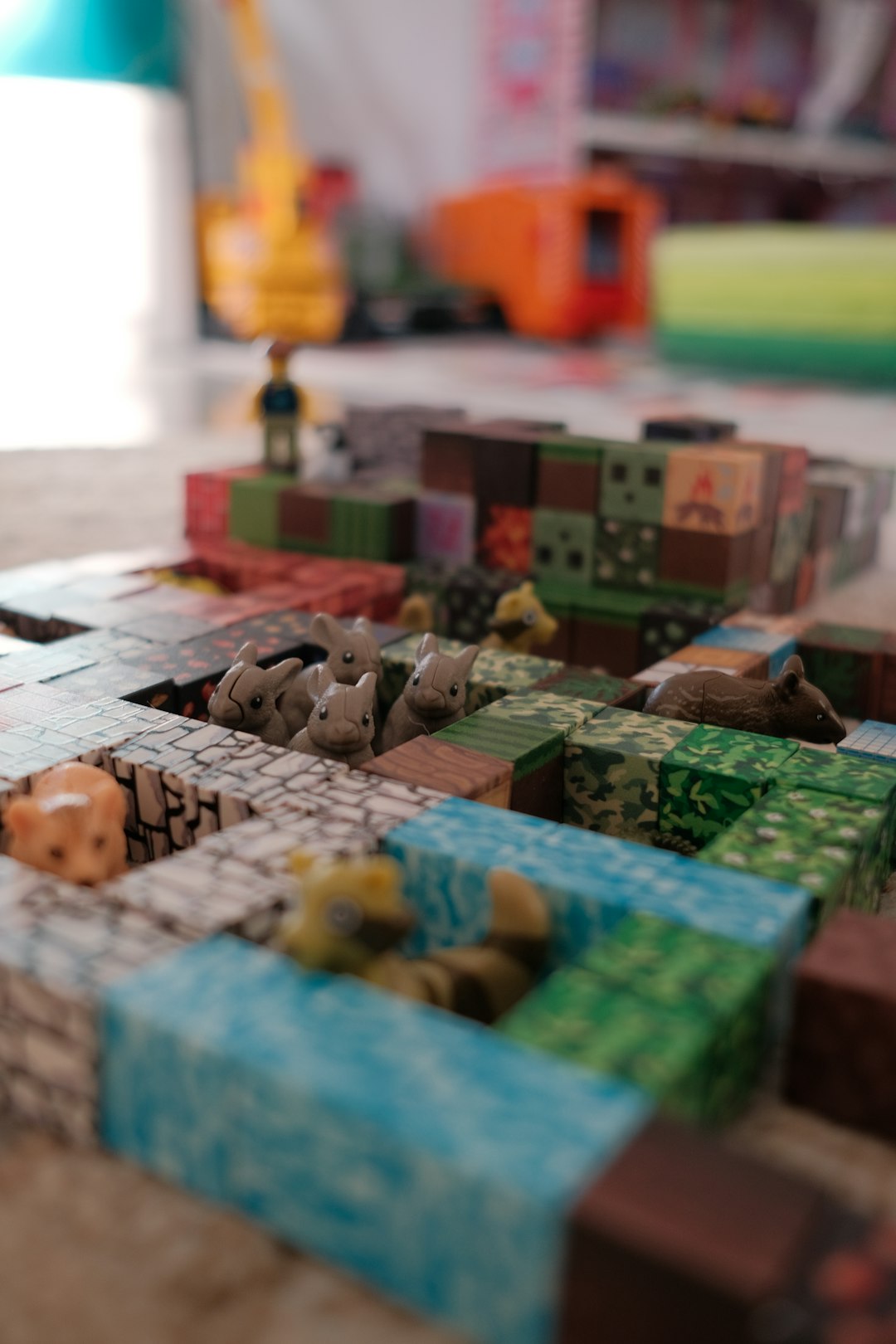
Minecraft Education transforms the familiar block-building world into a powerful learning environment. Students can explore historical settings, model scientific systems, practice coding, design sustainable cities, or collaborate on engineering challenges.
Its greatest strength is creative problem-solving. Rather than simply answering questions, students build, investigate, test, and revise. Teachers can use ready-made lessons or create custom worlds aligned with curriculum goals.
7. Nearpod
Nearpod is not only a gamification tool, but its interactive features make lessons much more engaging. Teachers can add quizzes, polls, matching activities, drawing tasks, collaborative boards, and virtual reality field trips to presentations.
The platform’s “Time to Climb” game is especially popular. Students answer questions while their characters race up a mountain. Nearpod is excellent for teachers who want to combine direct instruction with interactive checks for understanding.
8. Pear Deck
Pear Deck integrates with slide presentations and invites every student to respond during the lesson. While it is less game-like than Kahoot! or Blooket, it supports active learning through draggable responses, drawings, text answers, and multiple-choice questions.
Its gamified value comes from participation and feedback. Instead of a few students answering aloud, everyone gets involved. Teachers can display anonymous responses, spark discussion, and adjust instruction in real time.
9. Socrative
Socrative is a clean, efficient classroom response system with quizzes, exit tickets, and a fun “Space Race” mode. In Space Race, teams compete by answering questions correctly to move rockets across the screen.
Socrative is a strong option for teachers who want gamified assessment without too many distractions. It is simple, fast, and especially useful for formative assessment.
10. Duolingo for Schools
Duolingo for Schools brings the language-learning app’s streaks, points, levels, and bite-sized lessons into the classroom. Teachers can assign practice, monitor progress, and encourage students to build consistent habits.
The platform is best for language reinforcement rather than full curriculum replacement. Its short activities make it ideal for daily practice, independent learning, and supplemental homework.
11. Prodigy Math
Prodigy Math combines standards-aligned math practice with a fantasy role-playing game. Students solve math problems to progress through battles, quests, and character development. The adaptive system adjusts questions based on student performance.
For many students, Prodigy makes math practice feel less intimidating. Teachers benefit from reports that show skill mastery, problem areas, and student growth over time.
12. CodeCombat
CodeCombat teaches programming through an adventure game format. Students write real code to control characters, solve puzzles, and complete levels. It supports languages such as Python and JavaScript, making it useful for computer science instruction.
Instead of learning syntax in isolation, students see code produce immediate in-game results. This feedback loop helps learners understand why precise commands matter.
13. Legends of Learning
Legends of Learning offers curriculum-aligned math and science games for elementary and middle school students. Teachers can assign games based on specific learning standards, then track student performance.
The platform is useful because it connects game-based exploration with measurable academic outcomes. Students may feel like they are playing, but teachers can still see whether key concepts are being understood.

14. Edpuzzle
Edpuzzle turns videos into interactive lessons. Teachers can embed questions, notes, and audio comments into videos, requiring students to engage as they watch. While it is not a traditional game platform, it gamifies video learning through checkpoints, accountability, and progress tracking.
Edpuzzle is especially effective for flipped classrooms. Students can watch instructional content at home, answer embedded questions, and arrive in class ready for deeper discussion or practice.
15. BookWidgets
BookWidgets allows teachers to create interactive exercises such as quizzes, flashcards, timelines, crossword puzzles, matching games, worksheets, and exit slips. It integrates with many learning management systems, making it practical for blended classrooms.
Its strength is variety. Teachers can design activities that feel playful while still matching specific learning objectives. It works well for review, practice, comprehension checks, and independent work.
How to Choose the Right Platform
With so many options, the best platform is not necessarily the flashiest one. Teachers should choose based on the learning outcome first and the game mechanics second.
- For fast review: Try Kahoot!, Quizizz, Blooket, Gimkit, or Socrative.
- For long-term motivation: Consider Classcraft, Prodigy Math, or Duolingo for Schools.
- For creativity and projects: Use Minecraft Education or CodeCombat.
- For interactive lessons: Choose Nearpod, Pear Deck, Edpuzzle, or BookWidgets.
- For standards-based practice: Look at Legends of Learning or Prodigy Math.
Best Practices for Gamified Learning
Gamification is most powerful when it supports meaningful learning rather than replacing it. Points and leaderboards can motivate students, but they should not be the only reason students participate. The goal is to make curiosity, persistence, and mastery feel rewarding.
Teachers can get better results by following a few practical guidelines:
- Keep learning objectives clear. Students should know what skill or concept the game supports.
- Mix competition with collaboration. Team challenges can reduce stress and encourage peer support.
- Use data thoughtfully. Reports should guide reteaching, grouping, and enrichment.
- Reward effort and improvement. Celebrate growth, not just top scores.
- Rotate tools. Variety helps prevent even fun platforms from becoming routine.
Final Thoughts
The best classroom gamified learning platforms make students more active, more curious, and more willing to practice. From quiz-based tools like Kahoot! and Quizizz to immersive environments like Minecraft Education and CodeCombat, each platform offers a different path to engagement.
Ultimately, gamified learning is not about turning every lesson into a game. It is about using the best parts of games—challenge, feedback, progress, creativity, and fun—to make learning more meaningful. When teachers choose tools intentionally, gamification can transform classrooms into places where students are excited to participate and motivated to grow.