5 Tools To Spy On Competitors And Uncover Traffic, Ads, And SEO Strategies
5 min read
Keeping an eye on your competitors is no longer optional—it’s a core part of building a smart digital marketing strategy. Whether you’re running an eCommerce store, SaaS company, affiliate site, or local business, understanding where competitors get their traffic, what ads they run, and how they rank in search engines can unlock massive growth opportunities. The good news? You don’t need guesswork or insider access. The right tools can reveal exactly what’s working for them.
TLDR: Competitor research tools help you uncover where rivals get their traffic, what keywords they rank for, which ads they run, and what backlinks power their SEO. Platforms like SEMrush, Ahrefs, Similarweb, SpyFu, and Meta Ad Library provide deep insights into organic, paid, and social strategies. By analyzing this data strategically—not copying, but improving—you can uncover gaps, replicate winning tactics, and gain a significant market advantage.
Why Competitor Intelligence Matters
Before diving into the tools themselves, it’s important to understand why spying on competitors (ethically and legally) is so powerful. Your competitors have already spent time and money testing campaigns, optimizing landing pages, and refining messaging. Instead of starting from zero, you can:
- Identify high-performing keywords before investing in content.
- Discover profitable ad angles and messaging.
- Analyze backlink strategies that boost domain authority.
- Uncover traffic sources you may have overlooked.
- Spot content gaps where you can outperform them.
Now, let’s explore five of the most powerful tools that make this possible.
1. SEMrush – The All-in-One Competitive Intelligence Suite
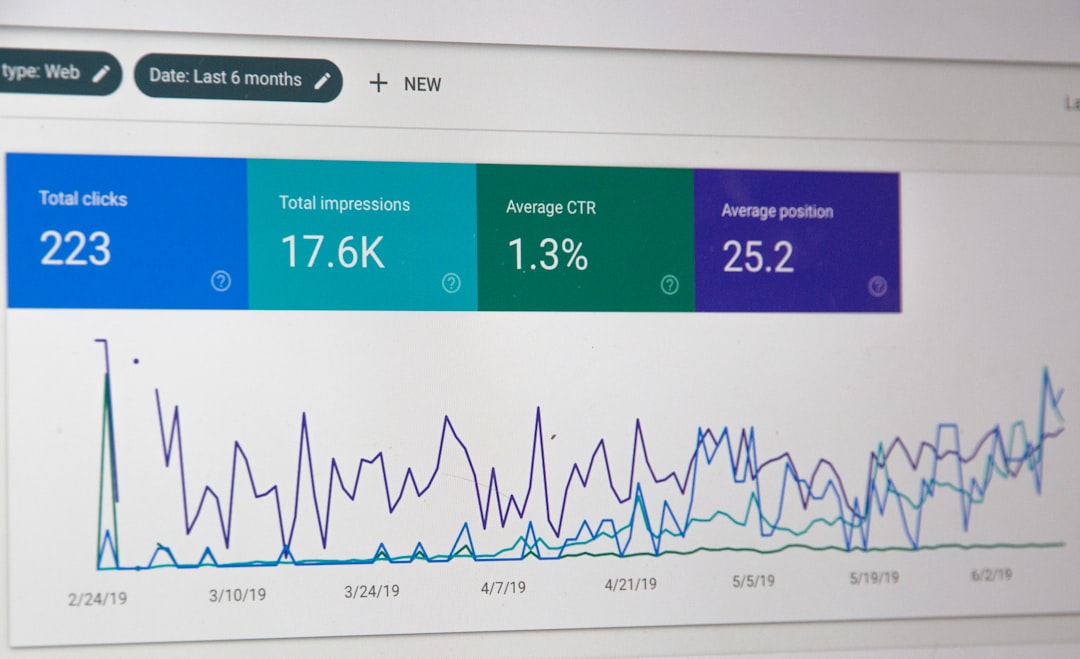
SEMrush is one of the most comprehensive tools for analyzing competitors’ SEO, PPC, and content marketing strategies. It’s particularly powerful because it combines multiple data sources into one interface.
What You Can Discover
- Competitors’ top organic keywords
- Estimated monthly organic traffic
- Paid search campaigns and ad copy
- Backlink profiles
- Ranking changes over time
For example, by entering a competitor’s domain into SEMrush, you can instantly see which keywords drive the most traffic. Even better, you can filter by position to find keywords where they rank between positions 5–15—these are prime opportunities to target and outrank them.
On the paid side, SEMrush reveals:
- Their live Google Ads
- Historical ad data
- Estimated ad spend
- Landing page URLs
Best for: Businesses that want a complete overview of competitors across organic and paid search.
2. Ahrefs – Deep Dive Into SEO and Backlinks
While similar to SEMrush in many ways, Ahrefs is widely regarded as one of the strongest tools for backlink and SEO analysis.
Why Backlinks Matter
Backlinks remain one of Google’s top ranking factors. If you want to compete for high-value keywords, you need to know where your competitors are getting their links from.
Image not found in postmetaWhat Ahrefs Shows You
- Complete backlink profiles
- Referring domains
- Anchor text distribution
- New and lost backlinks
- Top-performing pages by traffic
One powerful feature is the Content Gap tool. It shows keywords competitors rank for that you don’t. This instantly reveals opportunities for new blog posts, product pages, or long-form guides.
You can also sort competitor pages by traffic and see exactly which content formats perform best—long guides, comparison pages, case studies, or tools.
Best for: SEO professionals and content marketers focused on outranking competitors in organic search.
3. Similarweb – Traffic Sources and Audience Insights
If you’re curious where competitors get their traffic—not just keywords—Similarweb is invaluable.
Unlike strictly SEO-focused tools, Similarweb gives you a high-level view of traffic distribution, including:
- Direct traffic
- Organic search
- Paid search
- Referrals
- Social media
- Display ads
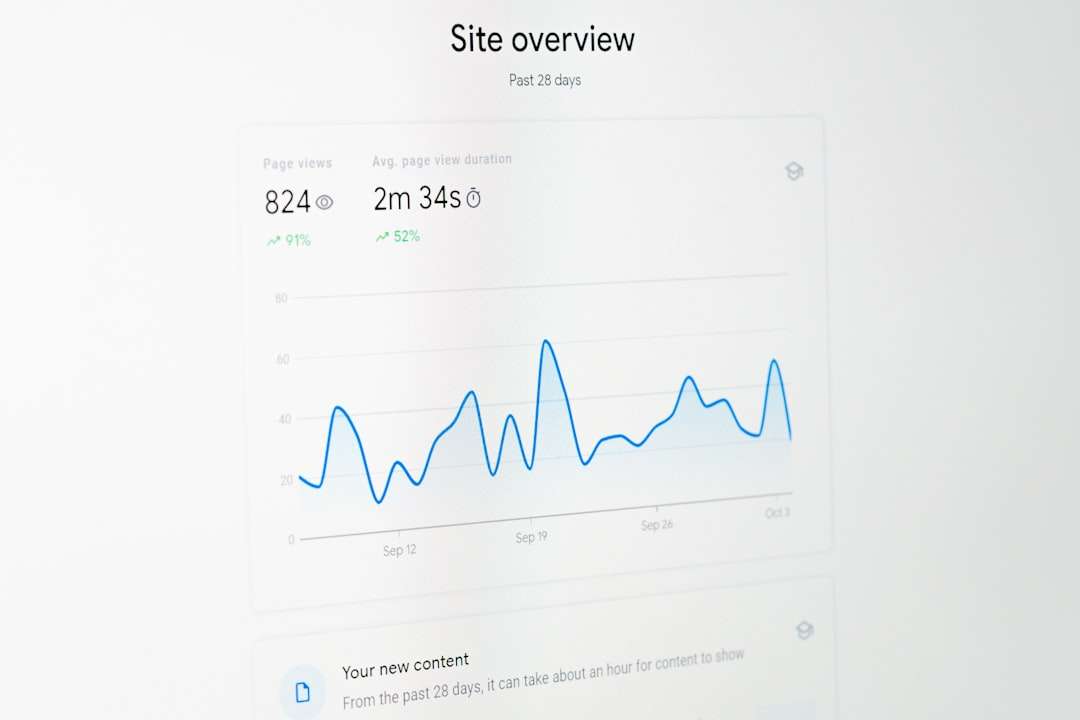
This allows you to answer critical strategic questions:
- Are they heavily reliant on paid traffic?
- Is social media driving significant engagement?
- Which referral sites send the most visitors?
If you discover that a competitor gets significant traffic from certain blogs or media outlets, that may signal partnership or PR opportunities for your business as well.
Similarweb also provides audience overlap data, helping you identify other competitors you may not have even considered.
Best for: Market research and understanding broad traffic acquisition strategies.
4. SpyFu – Historical PPC and Keyword Strategy
SpyFu specializes in uncovering competitors’ Google Ads and keyword history. What makes this tool powerful is its long-term data tracking.
What Makes SpyFu Unique?
Instead of showing just current ads, SpyFu lets you see:
- Keywords competitors have bid on for years
- Ad copy variations over time
- Estimated PPC budgets
- Ranking history for core keywords
If a competitor has consistently bid on the same keyword for years, it’s likely profitable. That insight alone can help validate your own campaign planning.
SpyFu also reveals profitable ad messaging patterns. If certain phrases appear repeatedly, such as “free trial,” “limited offer,” or “guaranteed results,” that suggests strong conversion performance.
Best for: Businesses investing heavily in paid search campaigns.
5. Meta Ad Library – Transparent Social Ad Intelligence
For social advertising, few tools are as straightforward as the Meta Ad Library. It allows you to view active ads across Facebook and Instagram.
What You Can Analyze
- Current active ad creatives
- Ad copy and headlines
- Video vs. image usage
- Multiple variations of campaigns
This tool is particularly useful for understanding:
- Creative trends in your niche
- Seasonal promotions
- Lead generation hooks
- Product positioning
If a competitor runs multiple variations of a visually similar ad, they’re likely split-testing. That tells you they’ve found a message worth optimizing.
Best for: eCommerce brands, coaches, and SaaS companies investing in paid social.
How to Use These Tools Strategically (Not Just Curiously)
Access to data isn’t enough—you need a process. Here’s a simple framework:
Step 1: Identify 3–5 Direct Competitors
Focus on businesses targeting the same audience and price range.
Step 2: Map Their Traffic Sources
Use Similarweb to determine where most of their traffic originates.
Step 3: Extract Their Top Keywords
Use SEMrush or Ahrefs to export high-performing organic and paid keywords.
Step 4: Analyze Content and Backlinks
Find their most-linked pages and highest-traffic blog posts.
Step 5: Study Their Messaging
Review ad libraries and landing pages to identify angles and value propositions.
The goal isn’t to copy competitors. It’s to:
- Improve weak points in their strategy
- Create better content
- Offer stronger value propositions
- Target overlooked keyword gaps
Common Mistakes to Avoid
Even with powerful tools, businesses often misuse competitor data. Avoid these traps:
- Copying blindly: What works for them may not work for your brand or audience.
- Chasing every keyword: Focus on relevance and intent.
- Ignoring positioning: Strategy matters more than isolated tactics.
- Overestimating traffic data accuracy: Treat estimates as directional, not exact.
Competitor research should inform your strategy—not replace creativity and testing.
Turning Insights Into Competitive Advantage
The businesses that grow fastest are rarely the ones with the biggest budgets—they’re the ones with the best information.
By using tools like SEMrush, Ahrefs, Similarweb, SpyFu, and Meta Ad Library, you can uncover:
- Hidden keyword opportunities
- High-performing ad angles
- Powerful backlink sources
- Emerging traffic channels
- Content formats that convert
When you combine these insights with strong branding, sharp copywriting, and consistent testing, your competitors effectively become an ongoing source of market research.
In today’s digital landscape, guessing is expensive. Data-driven decisions win. And with the right competitor intelligence tools in your stack, you won’t just keep up—you’ll stay one strategic move ahead.