Top Smart Home Devices That Improve Comfort And Boost Home Value
5 min read
Smart home technology has moved beyond novelty and into the realm of practical, value-adding home improvements. Homeowners today are increasingly looking for ways to enhance everyday comfort while also making long-term investments that appeal to future buyers. Well-chosen smart devices can achieve both goals by increasing energy efficiency, strengthening security, and simplifying daily routines, all while boosting a property’s perceived and measurable market value.
TLDR: Smart home devices can significantly improve comfort, efficiency, and security while making a home more attractive to future buyers. Technologies like smart thermostats, lighting, security systems, and voice-controlled hubs offer daily convenience and long-term financial benefits. Thoughtful integration of these systems can increase resale value and reduce operating costs. Investing in reliable, widely supported devices is key to maximizing returns.
Why Smart Home Technology Adds Real Value
The appeal of smart home devices lies in their ability to combine comfort, control, and efficiency. From a homeowner’s perspective, these technologies simplify everyday living. From a buyer’s perspective, they signal a modern, well-maintained property that is cheaper to run and safer to inhabit.
Real estate studies increasingly show that homes equipped with established smart systems tend to sell faster than comparable properties without them. Buyers may not always pay a dramatic premium upfront, but smart features often tip the balance when multiple homes are otherwise similar. Importantly, devices that are professionally installed or seamlessly integrated into the home’s infrastructure carry the most weight.
Smart Thermostats: Comfort With Measurable Savings
Smart thermostats are widely considered the entry point into smart home upgrades, and for good reason. These devices learn usage patterns, adjust temperatures automatically, and allow remote control via smartphone apps. The result is a comfortable indoor environment without unnecessary energy usage.
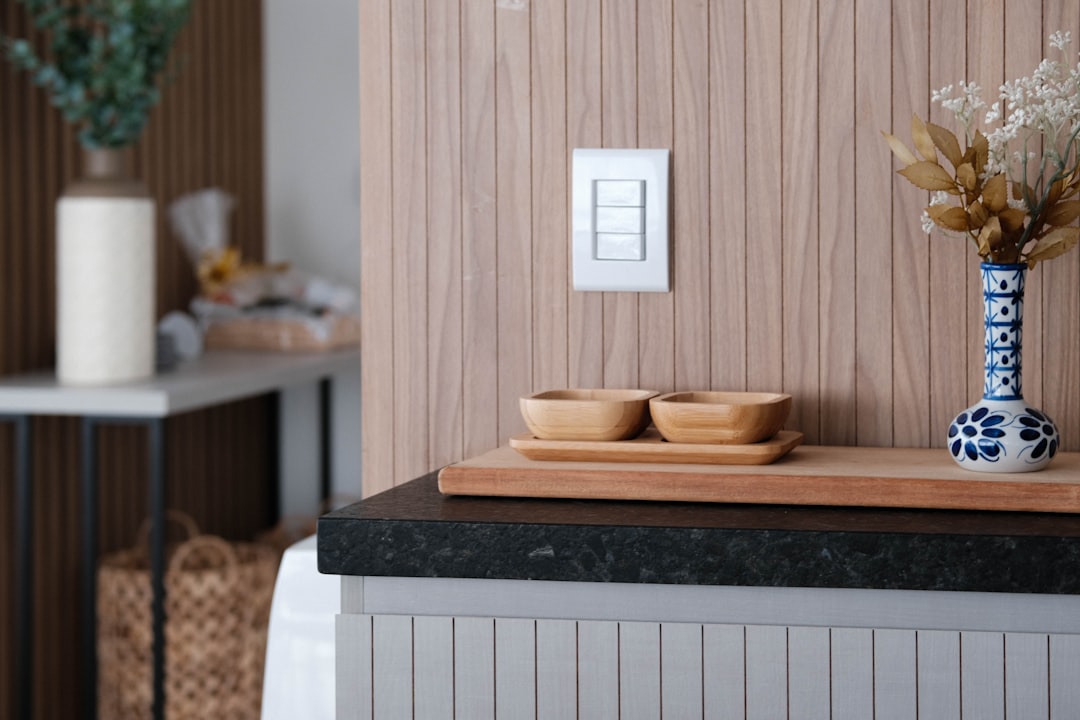
From a financial standpoint, smart thermostats can significantly lower heating and cooling costs, particularly in climates with wide temperature variations. Many models generate detailed energy reports, which can be shared with prospective buyers as evidence of lower operating expenses.
- Adaptive scheduling that adjusts to daily routines
- Remote access for temperature control while away
- Energy usage insights that promote efficient behavior
These features make smart thermostats one of the clearest examples of technology that improves comfort while also delivering tangible economic benefits.
Smart Lighting Systems: Practical Elegance and Efficiency
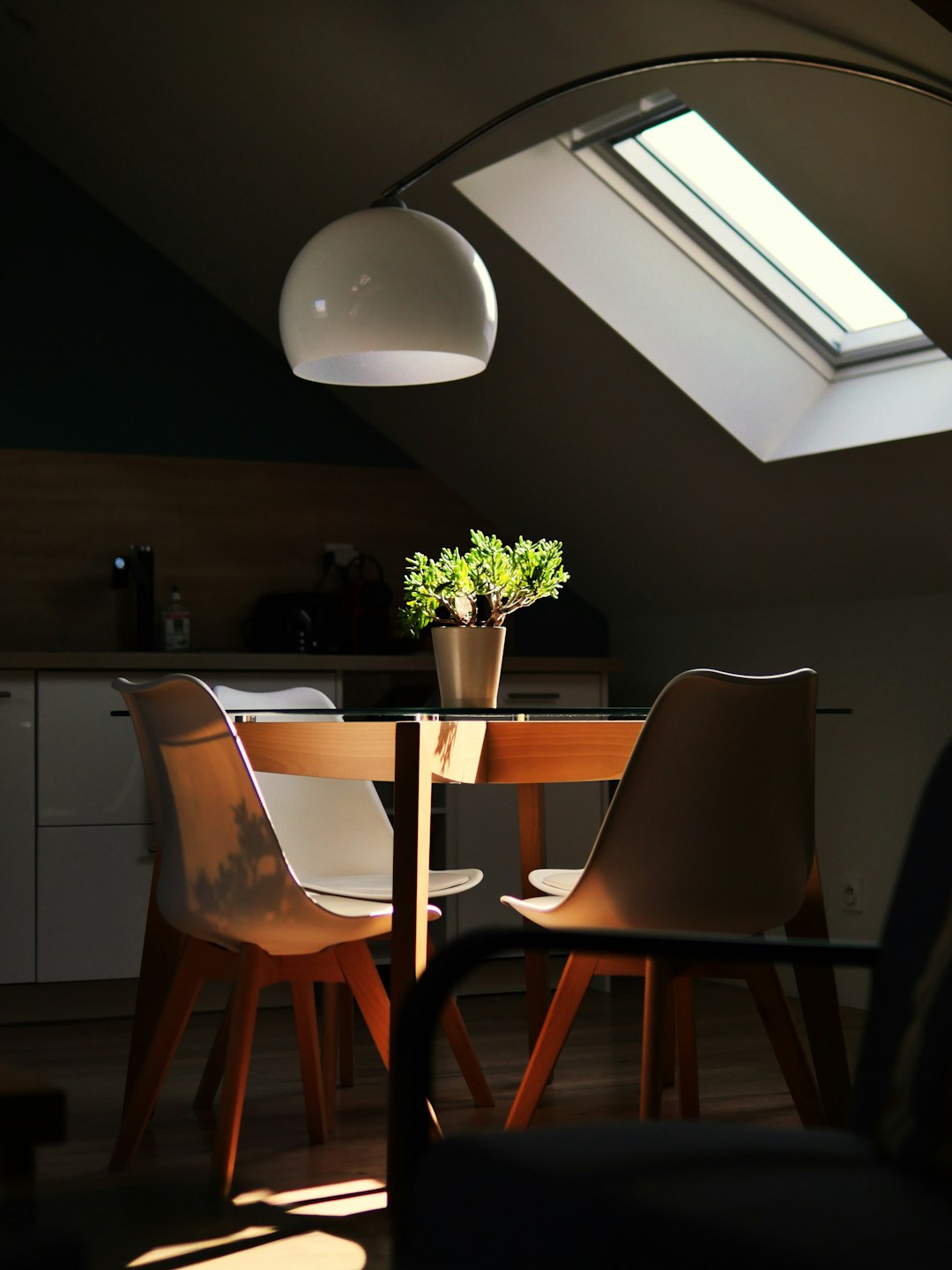
Lighting is often underestimated as a value driver, but smart lighting systems can transform both functionality and atmosphere. Using app-based controls or voice commands, homeowners can adjust brightness, color temperature, and timing throughout the house.
Beyond aesthetics, smart lighting improves energy efficiency by ensuring lights are only used when needed. Automated schedules and motion sensors reduce waste and contribute to lower electricity bills, a factor increasingly important to energy-conscious buyers.
- Programmable scenes for different times of day or activities
- Motion-activated lighting for safety and convenience
- Remote control to manage lighting while traveling
When professionally installed and thoughtfully configured, smart lighting enhances a home’s sense of quality and attention to detail, attributes that positively influence buyer perception.
Smart Security Systems: Peace of Mind as a Selling Point
Security consistently ranks among the top concerns for homeowners and buyers alike. Smart security systems offer far more than traditional alarms by combining real-time monitoring, mobile alerts, and integrated video surveillance.
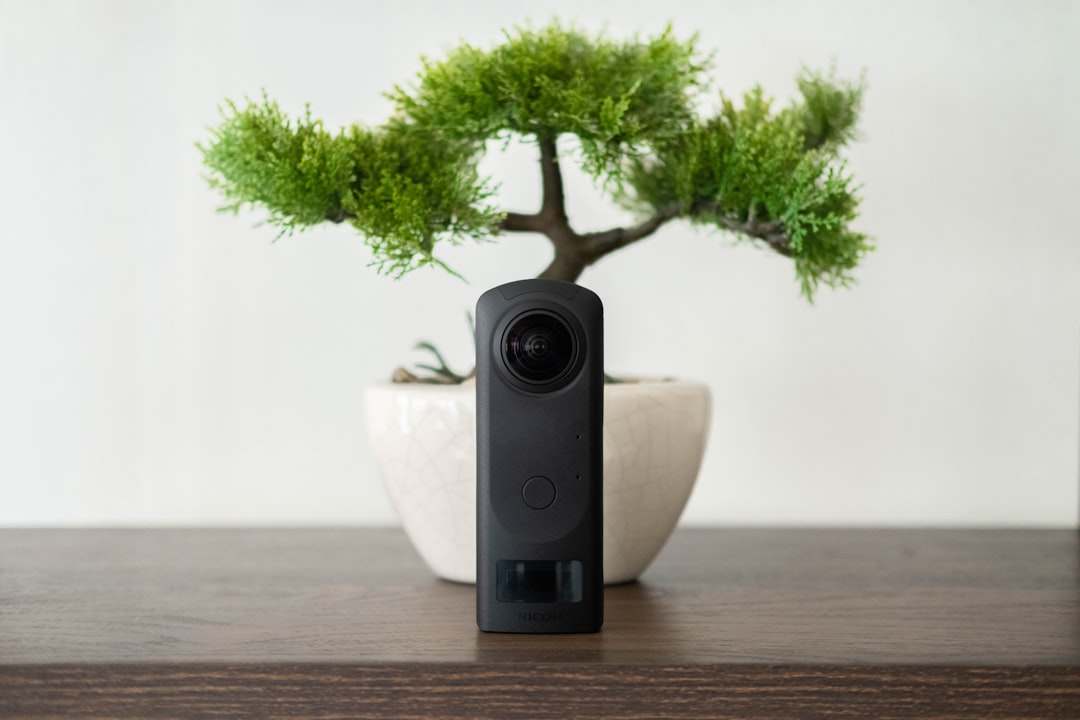
Modern smart security solutions often include door and window sensors, motion detectors, smart locks, and video doorbells. Together, these devices create a connected ecosystem that can be monitored from anywhere, providing reassurance whether residents are at home or away.
- Live video access via smartphone or tablet
- Instant alerts for unusual activity
- Integration with local monitoring services
From a property value perspective, a well-documented security system signals that the home is protected and well cared for. Some insurance providers even offer reduced premiums, which adds another layer of long-term financial benefit.
Smart Locks and Entry Systems: Secure and Convenient Access
Smart locks replace traditional keys with digital access methods such as codes, smartphones, or biometric identification. This eliminates the inconvenience of lost keys and allows homeowners to manage access with precision.
Temporary access codes can be issued to guests, service providers, or renters and revoked at any time. For families, this means children can enter the home safely without carrying keys, and parents can monitor entry and exit times.
- Keyless entry reduces wear and replacement costs
- Access logs provide transparency and oversight
- Remote locking offers reassurance after leaving home
These advantages are particularly attractive in urban markets and rental-friendly properties, where flexibility and security are highly valued.
Voice-Controlled Smart Hubs: Centralized Convenience
Smart hubs and voice assistants serve as the control center for a connected home. By integrating thermostats, lighting, entertainment, and security systems into a single interface, these hubs simplify operation and reduce the learning curve for new users.
From a buyer’s perspective, a centralized system demonstrates that the home’s technology has been thoughtfully planned rather than added piecemeal. This sense of cohesion enhances perceived value and usability.
- Hands-free control for everyday tasks
- Cross-device automation through routines and scenes
- Broad ecosystem support for future upgrades
Choosing widely supported platforms ensures long-term compatibility, which is a critical factor for maintaining value over time.
Smart Appliances: Efficiency Meets Modern Living
Smart appliances, including refrigerators, washing machines, and ovens, represent a growing segment of the market. These devices focus on efficiency, diagnostics, and user convenience rather than novelty.
Features such as energy optimization, maintenance alerts, and remote operation appeal to buyers who value reliability and lower ongoing costs. While smart appliances may not always return their full cost at resale, they contribute to a cohesive, modern image that strengthens overall appeal.
- Energy-efficient operation with real-time feedback
- Predictive maintenance alerts reduce repair surprises
- Remote monitoring adds convenience and control
Choosing Smart Devices That Truly Add Value
Not all smart home devices carry equal weight in terms of comfort or resale value. The most effective investments share several characteristics: they address real needs, integrate seamlessly with other systems, and are backed by reputable manufacturers with long-term support.
Professional installation, clear documentation, and transferable warranties further enhance buyer confidence. Homeowners should focus on technologies that improve daily life while remaining intuitive for future occupants.
Conclusion: Smart Comfort With Long-Term Benefits
Smart home devices that improve comfort and boost home value are no longer limited to luxury properties. When selected carefully, technologies such as smart thermostats, lighting, security systems, and centralized hubs offer meaningful returns in both lifestyle quality and market appeal.
By focusing on reliability, efficiency, and thoughtful integration, homeowners can create living spaces that feel modern and comfortable today while remaining attractive and competitive in the housing market tomorrow.