Step-By-Step Home Remodel Planning Tips Every DIYer Should Know
4 min read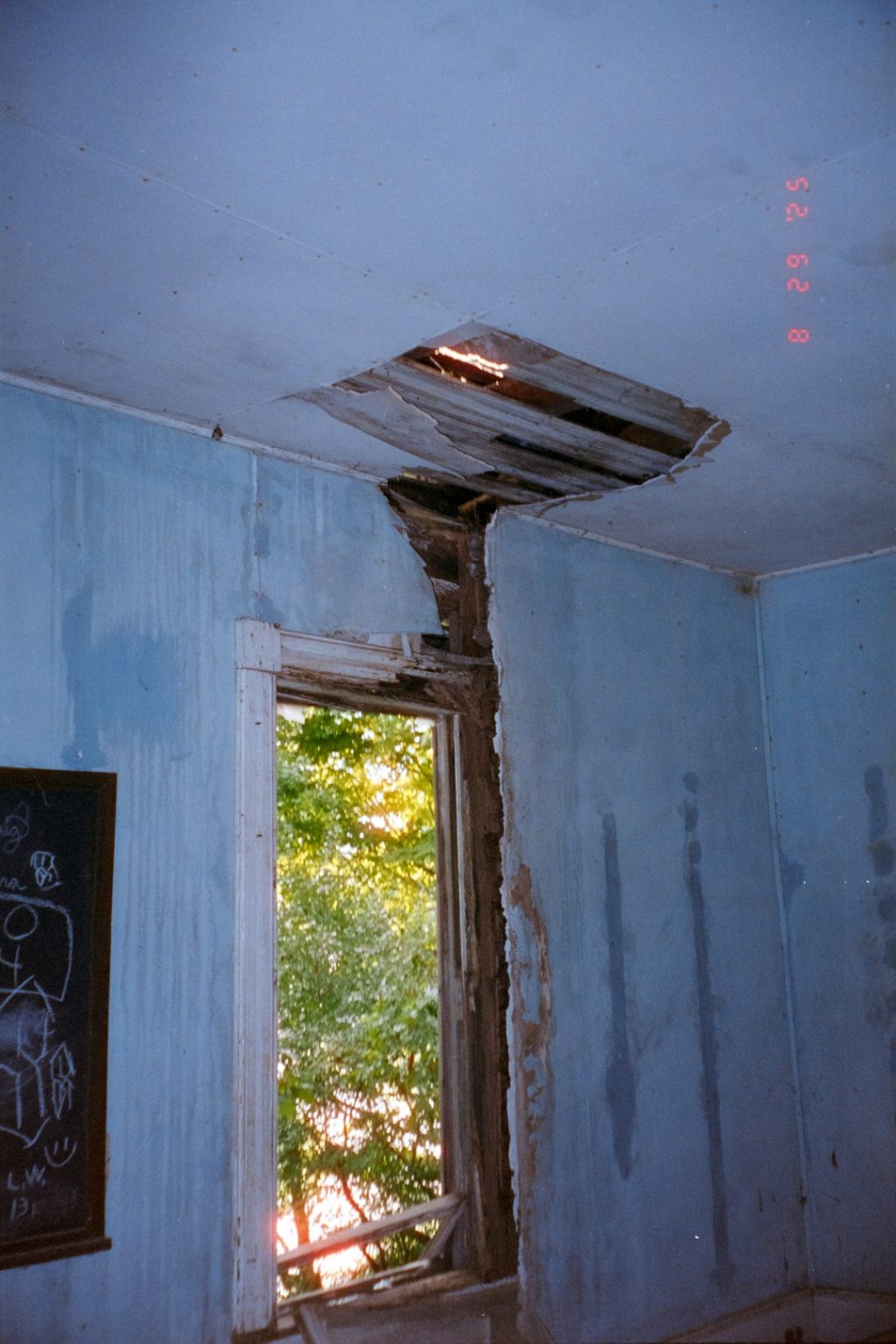
Planning a home remodel can feel both exciting and overwhelming, especially if you’re tackling it as a DIY project. From dreaming up the perfect kitchen to figuring out how to live through weeks of dust and noise, success hinges on thoughtful preparation. With the right step-by-step approach, you can turn a potentially stressful experience into a satisfying journey that saves money and builds skills.
TLDR: A successful DIY home remodel starts with clear goals, a realistic budget, and a well-structured plan. Focus on one space at a time, understand the scope of work, and don’t skip permits or safety steps. Careful scheduling, smart material choices, and knowing when to ask for help can make the difference between a smooth renovation and a costly headache.
1. Define Your Remodel Goals Clearly
Before you swing a hammer or browse tile samples, take time to define why you’re remodeling. Are you improving functionality, updating style, increasing home value, or fixing ongoing issues? Vague goals often lead to scope creep, where small updates snowball into major expenses.
Write down your priorities and rank them. For example, in a kitchen remodel, your top goal might be improved storage, followed by better lighting and then new countertops. This clarity helps you make decisions when budgets or timelines get tight.
2. Assess the Current Space Honestly
Spend time evaluating the existing condition of your home. Look for signs of hidden problems such as water damage, outdated wiring, or uneven floors. DIYers sometimes skip this step and end up surprised by costly repairs mid-project.
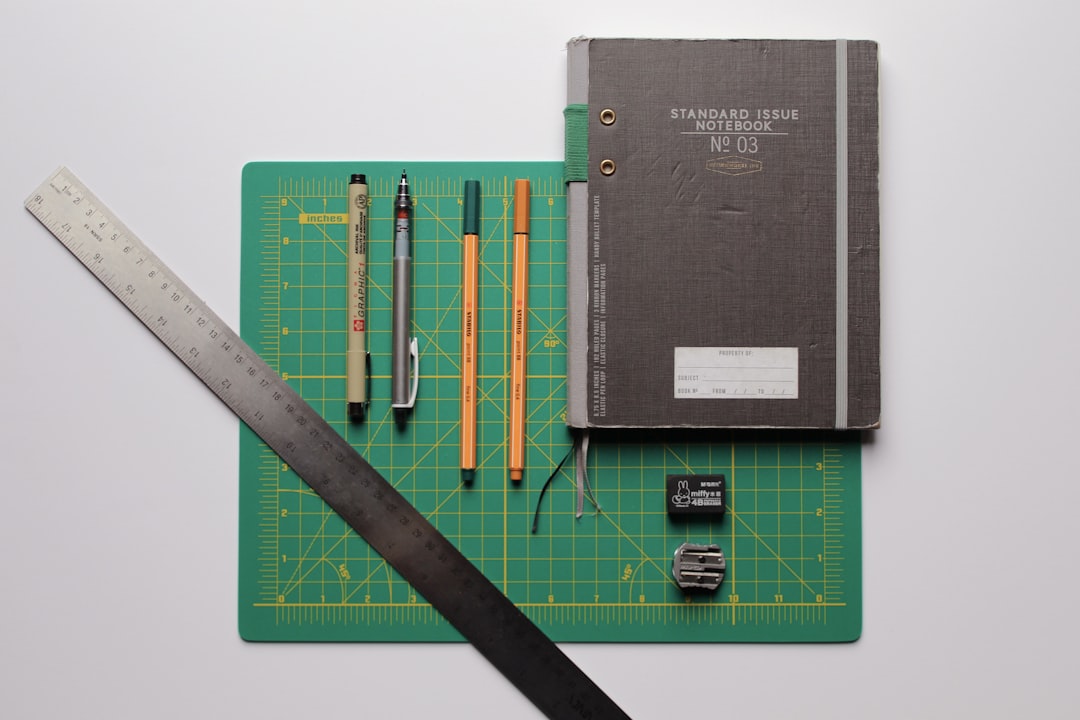
Measure everything carefully and document it. Photos, sketches, and notes will be invaluable when planning layouts and shopping for materials.
3. Set a Realistic Budget (and a Contingency)
A solid budget is the backbone of any remodel. Break costs down into categories like materials, tools, permits, and waste disposal. Research average prices and don’t rely on guesswork.
Always include a contingency fund of 10–20% for unexpected expenses. Even well-planned remodels uncover surprises, and having a cushion prevents half-finished projects and financial stress.
- Materials and finishes
- Tool purchases or rentals
- Permit and inspection fees
- Contingency buffer
4. Decide What You Can DIY and What You Can’t
Honesty about your skills is crucial. Painting, installing trim, or assembling cabinets are common DIY-friendly tasks. Plumbing, electrical work, and structural changes may require licensed professionals depending on local laws.
Even if you’re confident, consider the time cost. Some tasks take professionals days but may take a DIYer weeks. Mixing DIY work with professional help is often the smartest and most cost-effective approach.
5. Create a Step-by-Step Project Plan
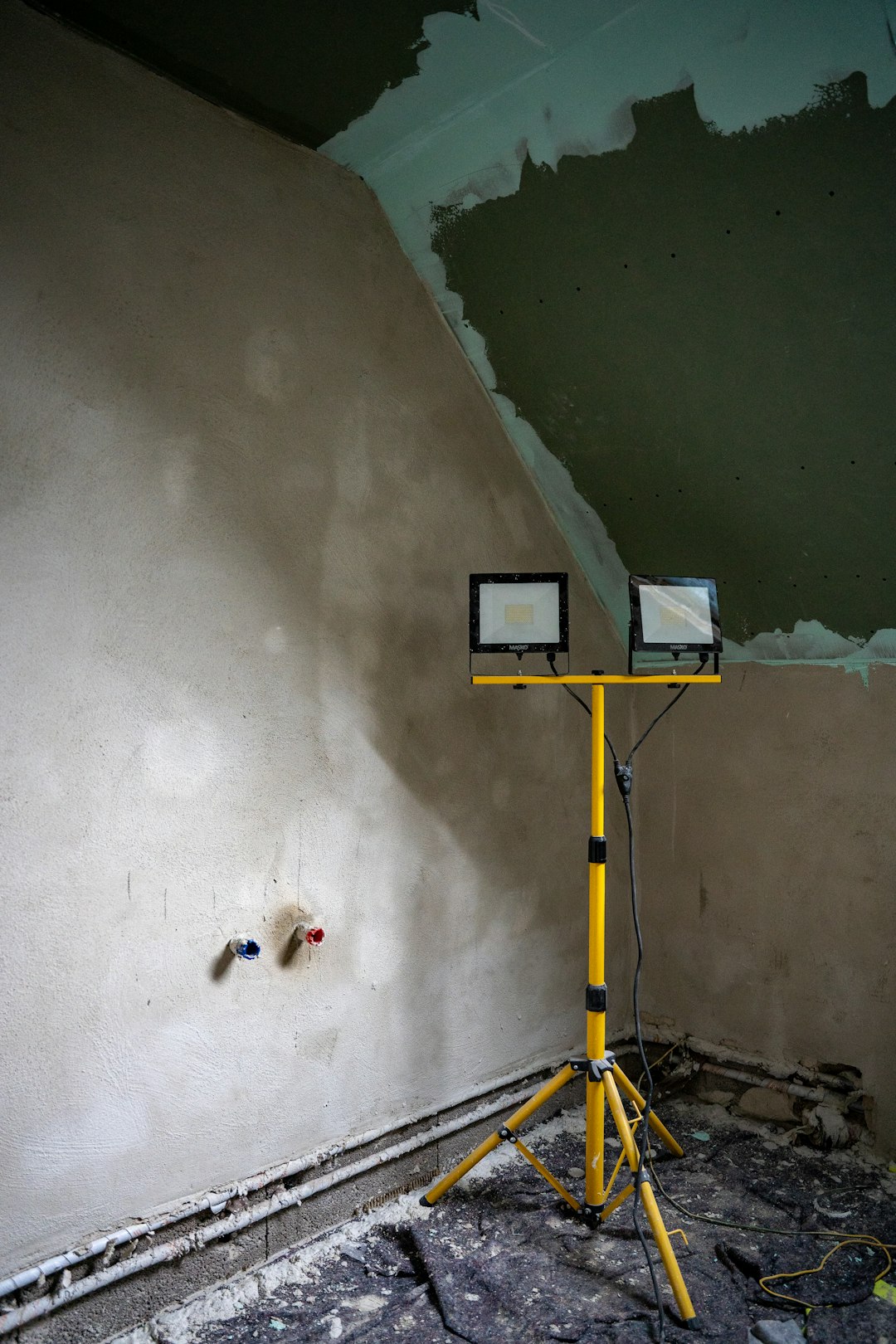
Once goals and budget are set, map out each stage of the remodel. A step-by-step plan reduces mistakes and keeps motivation high.
Your plan should include:
- Demolition or removal
- Structural or rough work
- Mechanical systems (plumbing, electrical, HVAC)
- Walls, floors, and ceilings
- Finishes and fixtures
Tackling tasks in the correct order prevents rework and damage to newly completed areas.
6. Understand Permits and Local Codes
Permits may not be the most exciting part of remodeling, but they are essential. Local building codes exist to ensure safety, and skipping permits can lead to fines or problems when selling your home.
Check with your local building authority early. Some DIYers are surprised to learn that even replacing windows or adding a deck may require approval.
7. Plan Your Timeline (and Be Flexible)
DIY remodels often take longer than expected. Create a timeline that includes buffer days for delays, mistakes, and learning curves. If you live in the home during the remodel, plan for temporary inconveniences like cooking without a kitchen or sharing one bathroom.
Breaking the project into weekly goals makes progress feel manageable and keeps burnout at bay.
8. Choose Materials for Durability and Skill Level
Beautiful materials don’t always equal practical materials. Consider how difficult something is to install and maintain. For example, click-lock flooring is more forgiving for beginners than traditional hardwood.
Balance aesthetics with function. Reading reviews and watching installation videos can prevent costly mistakes.
9. Prepare for Dust, Noise, and Safety
Remodeling affects your entire household. Seal off work zones with plastic sheeting, and protect furniture and floors. Wear proper safety gear like gloves, goggles, and respirators.
Image not found in postmetaSafety should never be optional. Take time to learn how to use tools correctly, and don’t rush tasks that could cause injury.
10. Track Progress and Costs as You Go
Keep a simple project journal or spreadsheet. Track expenses, note what worked well, and document changes to the plan. This helps you stay on budget and provides lessons for future projects.
Regularly review your goals to ensure you’re still aligned with your original vision.
11. Expect Setbacks and Stay Patient
Every remodel hits a few bumps. Materials arrive late, measurements are slightly off, or a wall reveals unexpected issues. Mentally preparing for setbacks makes them easier to handle.
Instead of seeing mistakes as failures, treat them as part of the learning process that makes you a more confident DIYer.
12. Finish Strong with the Details
The final 10% of a remodel often takes the longest, but it also delivers the biggest visual payoff. Take time with trim, paint touch-ups, and hardware installation.
These finishing details elevate the entire space and make your hard work feel complete.
13. Reflect and Plan What’s Next
When the dust settles, take a moment to appreciate what you’ve accomplished. Reflect on skills gained, challenges overcome, and what you’d do differently next time.
A successful remodel often inspires confidence to tackle future projects, turning your house into a continually improving home.
With careful planning, realistic expectations, and a step-by-step approach, DIY home remodeling can be both manageable and deeply rewarding. The key isn’t perfection—it’s preparation.