Healthcare Background Checks Explained: How They Improve Patient Safety And Provider Trust
5 min read
Healthcare organizations operate in an environment where trust, competence, and patient safety are inseparable. Every clinician, technician, and support professional who interacts with patients has the potential to influence outcomes, both positively and negatively. For this reason, healthcare background checks have become a foundational component of responsible hiring and credentialing. Understanding what these checks involve and why they matter is essential for healthcare leaders, practitioners, and even patients who rely on the system to protect their well-being.
TLDR: Healthcare background checks are structured screening processes designed to verify credentials, identify risks, and ensure that healthcare professionals meet ethical and legal standards. They play a critical role in preventing harm, reducing liability, and maintaining patient trust. When implemented correctly, these checks strengthen healthcare teams without undermining fairness or transparency.
What Are Healthcare Background Checks?
Healthcare background checks are comprehensive reviews of an individual’s professional, legal, and sometimes personal history, conducted before employment or credentialing. Unlike basic employment screenings, healthcare-specific checks are tailored to the high-risk environment of medical care, where errors or misconduct can lead to serious harm.
These checks are not designed to be punitive. Instead, they are preventive tools that help organizations confirm that candidates are qualified, ethical, and suited to positions of trust. In many jurisdictions, they are also a regulatory requirement enforced by government agencies or accreditation bodies.
Common elements of a healthcare background check include:
- Verification of education and professional credentials
- License status and disciplinary history
- Criminal background screening
- Employment and reference verification
- Exclusion list and sanctions searches
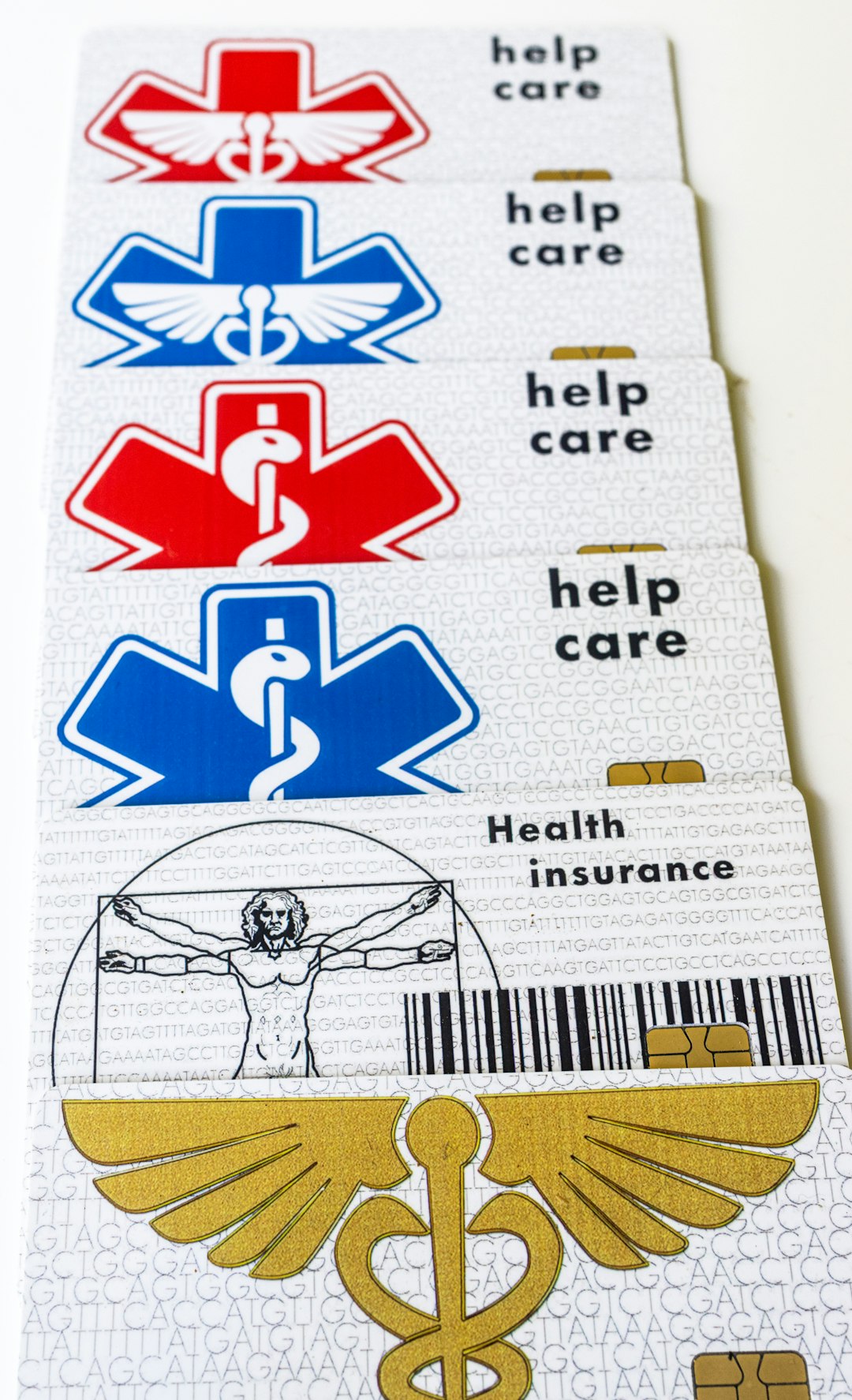
Why Background Checks Matter for Patient Safety
Patient safety is the primary driver behind healthcare background checks. Patients are often vulnerable, physically and emotionally, and must place implicit trust in those providing care. A thorough screening process helps minimize the risk that someone with a relevant history of misconduct, fraud, or incompetence enters a clinical environment.
For example, checking criminal records can identify convictions related to violence, abuse, or drug diversion. License verification ensures that a practitioner is legally authorized to practice and has not been subject to serious disciplinary actions. Together, these steps create multiple layers of protection.
Key ways background checks improve patient safety include:
- Preventing unqualified individuals from practicing medicine or providing care
- Reducing the risk of patient abuse or neglect
- Identifying patterns of behavior that may indicate future risk
- Ensuring compliance with healthcare regulations and standards
While no screening process can eliminate all risk, background checks significantly lower the likelihood of preventable incidents.
Building Provider Trust and Organizational Integrity
Beyond patient safety, healthcare background checks are crucial for building trust within organizations. Hospitals, clinics, and long-term care facilities rely on teamwork and professional accountability. When staff members know that their colleagues have been carefully vetted, it reinforces confidence in shared standards.
Trust also extends outward. Patients and their families expect healthcare institutions to act responsibly in hiring decisions. Publicized failures to screen employees properly can quickly erode an organization’s reputation and damage community confidence.
Healthcare background checks support provider trust by:
- Demonstrating a commitment to ethical hiring practices
- Creating a culture of accountability and professionalism
- Protecting organizations from reputational harm
- Reducing internal conflicts related to credential disputes

Key Components Explained in Detail
Each element of a healthcare background check serves a distinct purpose. Understanding these components clarifies why comprehensive screening is necessary.
License and Credential Verification:
This step confirms that a practitioner’s education, training, and licensure claims are accurate. It often involves direct communication with licensing boards and educational institutions. License checks may also reveal suspensions, revocations, or ongoing investigations.
Criminal History Screening:
Criminal checks typically focus on convictions relevant to patient safety, financial integrity, and workplace conduct. Many healthcare organizations apply context-specific evaluations rather than automatic disqualifications, recognizing that past offenses vary in severity and relevance.
Exclusion and Sanctions Lists:
In the United States and many other countries, healthcare providers must not employ individuals listed on government exclusion databases. These lists identify people barred from participating in publicly funded healthcare programs due to fraud, abuse, or other serious violations.
Employment and Reference Checks:
Reviewing prior employment history helps verify experience and identify concerning patterns, such as repeated dismissals or unexplained gaps in employment.
Legal and Regulatory Considerations
Healthcare background checks operate within a complex legal framework. Employers must balance patient protection with individual rights, privacy laws, and anti-discrimination regulations. Requirements vary by country, state, and professional role.
In many regions, laws specify how background checks must be conducted, how information can be used, and how long records may be retained. Failure to comply with these rules can result in penalties, lawsuits, or loss of accreditation.
Common regulatory considerations include:
- Data privacy and confidentiality protections
- Fair hiring and equal opportunity laws
- Mandatory reporting obligations
- Documentation and audit requirements
Responsible organizations invest in legal guidance and standardized procedures to ensure compliance.
Balancing Safety with Fairness
A frequent concern about background checks is the potential for unfair exclusion. Healthcare employers must avoid overly rigid policies that disregard rehabilitation, context, or relevance. Modern best practices emphasize individualized assessment rather than blanket bans.
For instance, a decades-old, non-violent offense may have little bearing on a candidate’s ability to provide safe and compassionate care today. Fair evaluation processes protect both patient safety and workforce diversity.

How Technology Is Improving Healthcare Background Checks
Advances in technology have made healthcare background checks more accurate and efficient. Automated databases, secure digital verification, and continuous monitoring tools help organizations stay informed about changes in license status or newly reported sanctions.
Continuous monitoring is particularly important in healthcare, where a provider’s status can change after hiring. Ongoing alerts allow organizations to respond quickly to new risks.
Conclusion
Healthcare background checks are not merely administrative hurdles; they are essential safeguards that protect patients, support providers, and uphold the integrity of medical institutions. By verifying credentials, identifying risks, and ensuring regulatory compliance, these checks strengthen the foundation of trust on which healthcare depends.
When implemented thoughtfully and fairly, healthcare background checks achieve their ultimate goal: creating safe environments where patients can focus on healing and providers can deliver care with confidence and professional pride.