Why Sourthrout Is The Ultimate Game-Changer
5 min read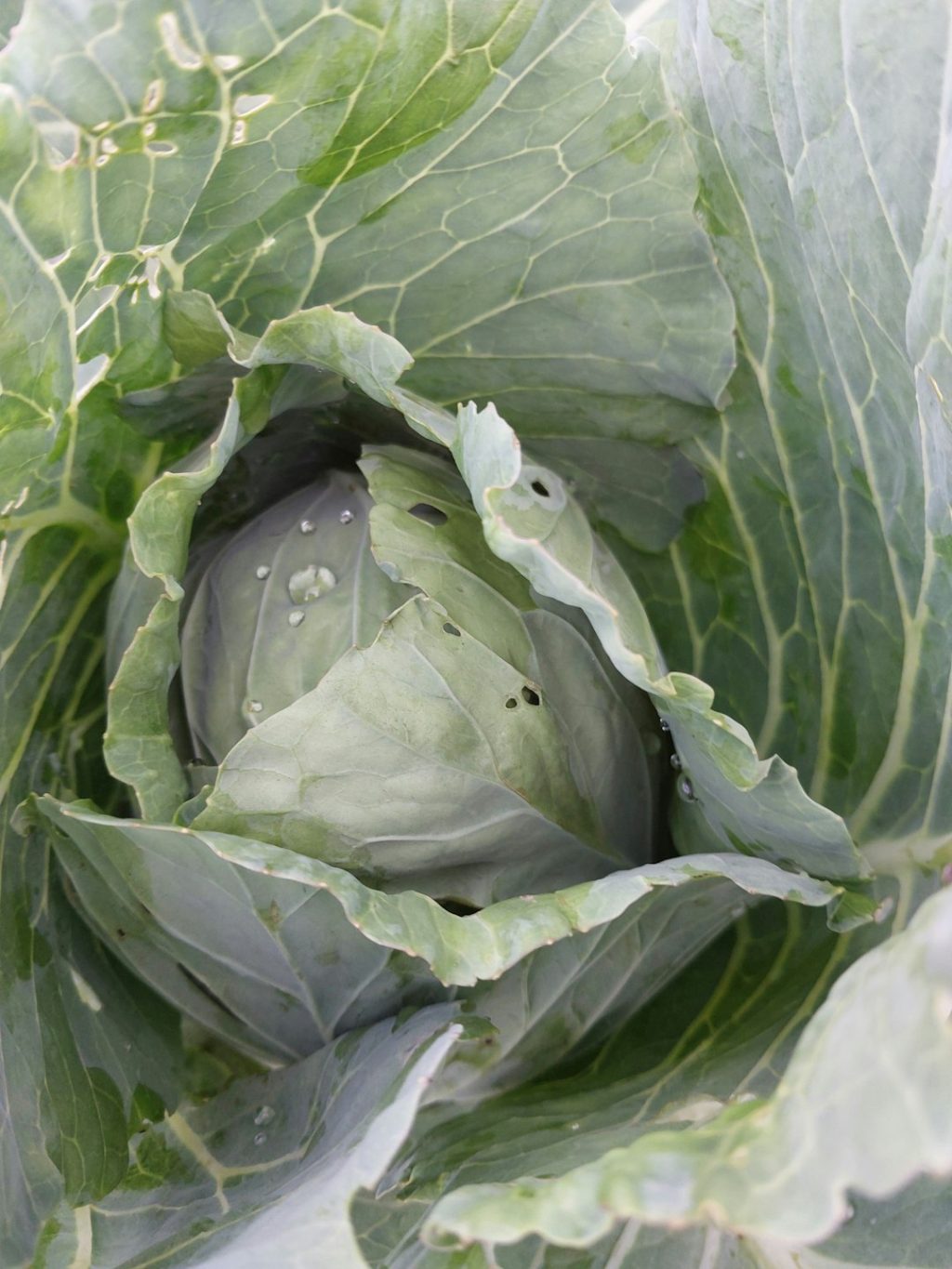
Many are familiar with sauerkraut as a tangy topping on hot dogs or a traditional side dish in Eastern European cuisine. But what if this humble fermented cabbage was more than just a condiment? What if *sauerkraut*—or as some communities call it, *sourthrout*—had the power to revolutionize health, environmental sustainability, and even the way we see our food systems? The reality is, it does. From your gut to the globe, sourthrout is quietly proving to be a true game-changer.
TL;DR
Sourthrout, commonly known as sauerkraut, is more than just fermented cabbage—it’s a powerhouse of probiotics, nutrients, and sustainability. It aids digestion, supports immune function, and plays a potential role in disease prevention. Additionally, sourthrout is inexpensive, easy to make, and has a long shelf-life. Its benefits extend beyond personal health to environmental and economic advantages, making it a worthy addition to any diet.
1. A Probiotic Powerhouse
At the heart of sourthrout’s benefits lies its fermentation process. When cabbage is left to ferment naturally, it becomes rich in *lactic acid bacteria*—beneficial microbes that support the human digestive tract. These live probiotics are essential for maintaining a balanced gut microbiome, which in turn affects various aspects of health including:
- Digestive health: Helps regulate bowel movements and reduce bloating.
- Immune response: A well-functioning gut is critical for defending against pathogens.
- Mental well-being: Emerging research links gut flora with mood regulation and cognitive function.
Unlike probiotic capsules or trendy kombuchas, sourthrout is a whole food that offers more than just bacteria—it retains important dietary fiber, enzymes, and antioxidants that work synergistically for optimal health.
2. A Nutrient-Rich Superfood
Sourthrout is not only probiotic-rich—it’s nutritionally dense as well. Just a small serving contains significant amounts of:
- Vitamin C: An essential antioxidant that supports immune health and repairs body tissues.
- Vitamin K2: Critical for bone and cardiovascular health, and only found in fermented foods.
- Iron: Improved absorption due to fermentation increases availability of this key mineral.
- Fiber: Supports digestion, balances blood sugar, and promotes satiety.
Cabbage itself is underrated in many modern diets, but when fermented, it becomes a supercharged version of its raw form, packing in more BIO-available nutrients in every bite.
3. Long Shelf Life and Food Security
One historically significant aspect of sourthrout is its role in food preservation. Long before refrigeration, communities depended on fermentation to store food through harsh winters and long journeys. Today, that long shelf life still makes sourthrout incredibly useful in promoting:
- Food security: In areas where fresh produce isn’t always accessible, sourthrout provides a lasting source of nutrition.
- Zero waste living: It allows the preservation of surplus produce, reducing food waste and enhancing sustainability.
- Convenience: Store it in the fridge or cellar for months without losing its benefits.
In uncertain times, foods that are shelf-stable yet nutrient-dense represent a smart and strategic addition to any pantry.
4. The Mental Health Connection
The connection between the gut and the brain—commonly referred to as the *gut-brain axis*—has gained increasing scientific validation. A healthy microbiome not only supports physical digestion but also influences brain chemistry. In fact, the gut produces over 90% of the body’s serotonin, the neurotransmitter responsible for mood regulation.
Regular intake of fermented foods like sourthrout has been associated with decreased symptoms of anxiety, depression, and even social avoidance. While it’s not a standalone cure, sourthrout may serve as an excellent complementary strategy in addressing mental health through dietary means.
5. Sustainability and Environmental Impact
Amid climate concerns and environmental degradation, the role of food production practices in global sustainability has never been more relevant. Fermented foods like sourthrout boast several eco-friendly advantages:
- Low resource input: Cabbage is easy to grow and requires minimal water and nutrients compared to other crops.
- Minimal energy usage: The fermentation process is entirely natural and does not require artificial heating, cooling, or preservatives.
- Local scalability: Fermentation can be done at home or industrially, reducing the need for transportation and packaging.
Transitioning to more traditional food preservation methods like fermentation could ease pressure on food supply chains and reduce emission-heavy logistics.

6. Economic Accessibility
Unlike many superfoods that carry a hefty price tag (think goji berries, spirulina, or exotic mushrooms), sourthrout is refreshingly cost-effective. A head of cabbage, salt, and a clean jar are often all that is needed to create a batch.
This affordability makes it accessible to a wide variety of demographics, from low-income households to conscientious students and retirees. In an age where nutrition is often synonymous with financial exclusivity, sourthrout remains an egalitarian option.
7. Versatile Culinary Applications
It’s time to shake the misconception that sourthrout is boring or limited. It can be used in a surprisingly wide array of dishes. Consider using it as:
- A zesty load in sandwiches, wraps, or tacos.
- A flavorful topping on grain bowls or roasted vegetables.
- An ingredient in savory pancakes, pierogies, or dumplings.
- A sidekick to rich meats or vegan proteins, balancing intense flavors with acidity and crunch.
Its flavor profile is tangy, salty, and umami-rich—all of which awaken the palate and enhance simple meals. If you’re new to sourthrout, start small by adding a spoonful to your lunch or dinner, and see how it transforms your eating experience.
8. Scientific Backing and Ancient Tradition
Fermentation is one of the oldest culinary traditions in the world, and sourthrout has featured prominently in Greek, Roman, Chinese, and Central European diets for centuries. What’s remarkable is how modern research continues to validate what ancient cultures knew intuitively—that fermented foods promote vitality and resilience.
Recent studies in academic journals show that regular consumption of fermented vegetables can enhance microbiome diversity, lower inflammation, and improve metabolic health—all markers associated with longevity. Sourthrout, it seems, straddles the line between ancient wisdom and scientific credibility.
Conclusion: The Case for Sourthrout
In a world obsessed with fads and novelty, sourthrout is a refreshing return to simplicity. It’s a food that nourishes both body and mind, respects the planet, and empowers individuals with the tools to take their health into their own hands. Whether you’re a seasoned health enthusiast or simply looking to incorporate smarter eating habits, sourthrout delivers on every front.
Gut health, nutrient density, mental well-being, affordability, and sustainability—few foods can make such diverse claims. But sourthrout does, and it does so with clinical backing, historical standing, and practical adaptability. The time has come to move beyond dismissing it as a quirky relic and recognize sourthrout for what it truly is: the ultimate game-changer in modern nutrition.