How Digital Assets Are Reshaping the Future of Online Trading and Wealth
5 min read
Welcome to the world where our money is no longer just coins and paper. These days, it’s pixels, code, and encrypted strings zipping across the internet. We’re talking about digital assets—things like Bitcoin, NFTs, and tokenized stocks—that are turning the financial world on its head in the best way possible.
TL;DR
Digital assets are changing how we trade and build wealth. They’re fast, global, and open to almost everyone. You don’t need a suit or a Wall Street address—you just need a smartphone and some curiosity. Online trading is becoming more fun, flexible, and full of opportunities.
What Are Digital Assets?
Let’s keep it simple. A digital asset is anything valuable that exists in digital form. Think of them like the online version of things you might trade or invest in. Here are some examples:
- Cryptocurrencies – like Bitcoin or Ethereum
- NFTs (Non-Fungible Tokens) – digital art, music, collectibles
- Tokenized stocks – real company shares turned into digital tokens
- Digital real estate – yes, people are buying virtual land too!
These aren’t just for tech pros or gaming teenagers. They’re becoming part of everyday conversations—and investments—for people all over the world.
The Rise of Online Trading
Once upon a time, you’d have to call a stockbroker to buy shares. Now, with apps like Robinhood, Coinbase, or Binance, you can trade with a few taps on your phone while sipping a smoothie.
Online trading used to be mostly about stocks and bonds. But not anymore. Today’s platforms let you exchange all sorts of digital assets. It’s fast, cheap, and—let’s be honest—a little more exciting.
Why? Because digital assets trade 24/7. That’s right—no closing bell. If you’re a night owl or live in another time zone, it doesn’t matter. The markets are always open.

Why Digital Assets Are Game-Changers
Digital assets are flipping the financial playbook. Here’s why they’re getting so much attention:
- Fractional Investing – You don’t need to buy a whole Bitcoin. You can buy just $10 worth.
- Lower Fees – Say goodbye to high banking fees and middlemen.
- Global Access – All you need is an internet connection.
- Ownership Tracking – The blockchain keeps everything transparent.
- Innovation – New kinds of assets appear all the time.
This opens doors for everyone, even people who were left out of old-school financial systems. It levels the playing field.
Decentralization: A Fancy Word for Freedom
A lot of digital assets live on something called the blockchain. It’s basically a special kind of database—but what makes it cool is that it’s decentralized. That means no single person, company, or government controls it.
Imagine a giant chalkboard where everyone writes trades and no one can erase them. It’s secure, transparent, and fair. That gives people a lot more trust in the system.
Decentralization also means you can trade or hold assets without needing banks. Some people see this as the start of a whole new kind of economy.
Meet the New Traders
In the old days, traders wore suits and had fancy degrees. Now? They wear hoodies and learn from YouTube and TikTok. These new investors are younger, more diverse, and tech-savvy.
They use smartphones instead of stock tickers. They share memes, not just market data. They’re exploring NFTs, meme coins, and DAOs (Decentralized Autonomous Organizations). And they’re not afraid to take risks.
That’s not to say everything is a joke. Many people are serious about growing their wealth—and they’re finding creative ways to do it.
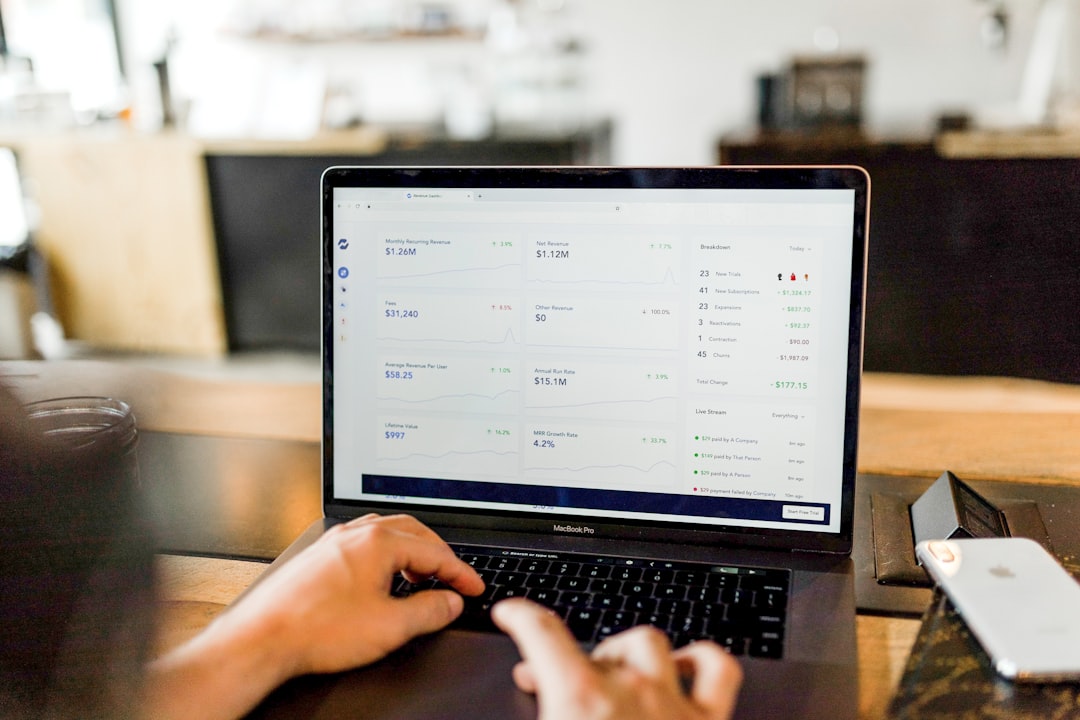
Wealth Building in the Digital Age
Digital assets aren’t just about quick trades. Many are building long-term wealth with them. Here’s how:
- HODLing – Holding a digital asset for the long term, no matter what the market does.
- Staking – Earning rewards for locking your crypto to help run a blockchain network.
- Yield farming – Lending or pooling assets to earn interest or tokens.
- Buying NFTs of future-famous artists or projects
Suddenly, investing isn’t just for the wealthy—it’s for anyone with a phone and a few spare dollars.
The Risks? Sure, They’re Real
Let’s keep it real. Digital assets sound exciting, but they’re not all roller coasters and riches. There are risks to know:
- Volatility – Prices can skyrocket—and crash—super fast.
- Scams and hacks – Not everything online is safe.
- Regulation – Laws are slowly catching up, and things could change.
- Knowledge gap – If you don’t understand it, you might make costly mistakes.
The secret sauce? Education. The more you learn, the better decisions you’ll make.
What’s Next? A Digital Future
Digital assets aren’t going away. In fact, they’re just getting started. Companies like Visa and PayPal are already accepting crypto payments. Countries are exploring their own digital currencies.
Soon, you might earn, spend, and invest using assets that never touch a bank. Imagine getting paid in crypto, lending it through a DeFi app, and buying virtual sneakers for your avatar—all in one day.
Even schools and governments are paying attention. Digital assets may reshape how we define money and value in the 21st century.
How to Get Started (Without Losing Your Mind)
Ready to dive in? Start small and stay smart. Here’s what to do:
- Learn the basics – Watch videos, read articles, ask questions.
- Pick a trusted platform – Apps like Coinbase or Binance are beginner-friendly.
- Spend what you can afford to lose – Don’t bet the rent money.
- Try different assets – Maybe a bit of Bitcoin, an NFT, or a token you believe in.
- Keep learning – This world changes fast.
In Conclusion
Digital assets are more than a trend—they’re a new era. They make trading easier, faster, and more democratic. Sure, they come with risks. But they also offer exciting chances to build wealth, spark innovation, and rethink money.
So whether you’re an artist, a gamer, a student, or someone just curious—now’s a great time to explore the future of finance. One tap at a time.
Happy trading, and may your wallets be forever growing!