Concept Artist: Breaking into the Game Industry
4 min read
Dreaming of designing epic characters, wild creatures, or alien worlds for video games? You might have what it takes to be a concept artist. Concept artists are the people who bring a game’s visual style to life before it’s even built. They sketch it, shape it, and set the tone for everything to come.
TL;DR
Concept artists create the visual foundation of video games. They work closely with game designers and 3D artists to build the look and feel of characters, environments, and props. Breaking in takes skills, passion, and a killer portfolio. Don’t wait—start drawing and building that dream job now!
What Does a Concept Artist Do?
Concept artists are visual storytellers. They sketch ideas that guide the art team and developers. Think of them as the blueprint creators for the game’s graphics. Without them, we wouldn’t have the rich, immersive worlds we love today.
Here’s what they typically work on:
- Character designs – heroes, villains, NPCs.
- Environment art – forests, cities, dungeons.
- Props and vehicles – swords, weapons, spaceships.
- Mood and color keys – to set the tone of scenes.
- Creatures and monsters – you know, the really cool stuff.
They might not model or animate, but their work influences everything that comes after.
Skills You’ll Need
You don’t need superpowers, but you do need a good toolkit.
Here are the essentials:
- Drawing and painting – traditional or digital (ideally both).
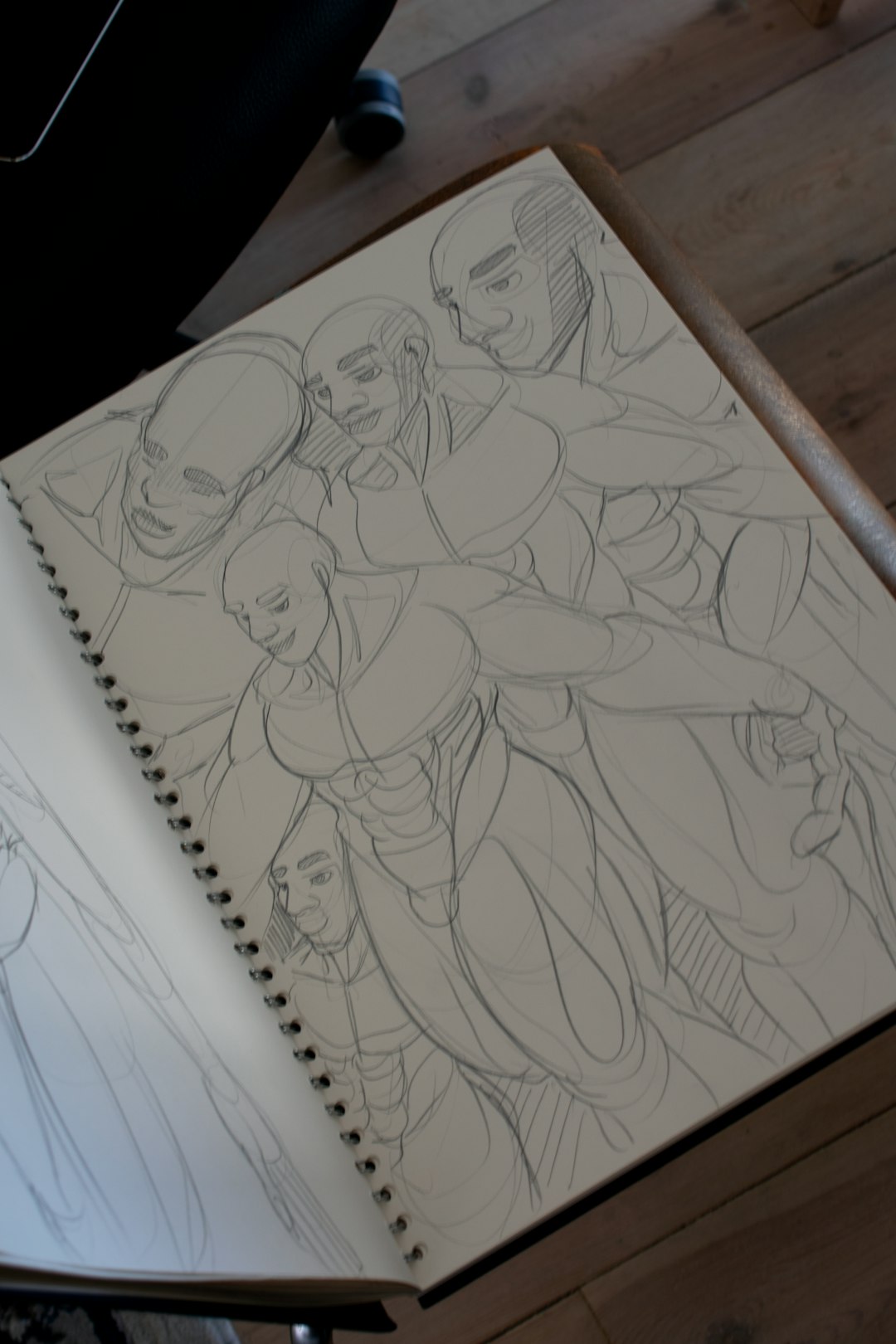
- Understanding of anatomy – especially for character work.
- Perspective and composition – to make your art pop.
- Color theory – know how to set moods with hues.
- Creativity – the more ideas you can generate, the better.
- Software skills – Photoshop is a must; others help too like Procreate, Blender, or Krita.
Where to Learn and Practice
You don’t need a fancy art school. Tons of successful artists are self-taught!
Start here:
- Online courses – websites like YouTube, Skillshare, or Schoolism.
- Books – like “Color and Light” by James Gurney or “Figure Drawing for All It’s Worth” by Loomis.
- Practice consistently – draw every day, even if just for 15 minutes.
- Community feedback – join forums like ArtStation, DeviantArt, or Reddit’s r/learnart.

Building a Portfolio That Shines
Your portfolio is your golden ticket. It shows studios what you can do. If it’s good, they’ll want to work with you. If it’s great, they’ll have to hire you.
How to make it awesome:
- Show variety – characters, environments, props.
- Focus on quality – better to have 10 great pieces than 50 okay ones.
- Tell stories – include designs that have purpose, history, and context.
- Organize it clearly – make it easy to navigate and understand.
- Host it online – use ArtStation, Behance, or your own site.
Think of your art like a movie trailer of your style. Make it unforgettable!
Let’s Talk About Style
Some artists worry they don’t have a unique style. Don’t stress!
Your style comes with time and practice. At first, copy artists you admire (for practice only, not portfolio). Mix in what you love. Eventually, your own voice will shine through.
Studios like to see versatility. So if you’re going for a stylized game, adapt your work. If it’s realistic, show that you can handle those vibes too.
Getting Your First Job (Or Internship)
This part can be tough. But don’t worry, everyone starts somewhere.
Tips to help you break in:
- Apply everywhere – even if you’re not sure you meet all the requirements.
- Start small – indie projects, game jams, mods.
- Network – talk to people online. Join Discord art servers, Reddit threads, conferences.
- Share your work – social media can get your art in front of developers.
- Be professional – respond to messages, meet deadlines, and stay reliable.
You might even start as a 3D artist, illustrator, or QA tester—and work your way up!
Freelancing vs. Studio Jobs
Some artists want to join a big studio. Others prefer freelancing. Both have pros and cons.
Studio jobs:
- Steady income
- Team environment
- Clear roles and feedback
Freelance work:
- Freedom and flexibility
- Set your own hours and clients
- Need to handle your own business stuff (invoices, contracts, etc.)
Try both if you can! One may suit you better than the other.
Common Mistakes and How to Avoid Them
Let’s save you some time by pointing out a few big ones:
- Only drawing characters – diversify your portfolio!
- Too much fan art – fan art is fun, but don’t rely on it.
- Not finishing pieces – polish at least some works to completion.
- Skipping fundamentals – anatomy and perspective really matter!
- Waiting too long to apply – you don’t have to be perfect; just ready.
Final Thoughts
Becoming a concept artist in the game industry is a big dream. But it’s possible—others have done it, and you can too! Focus on your skills, build an awesome portfolio, and don’t give up.
You might not land a job overnight, but every sketch gets you one step closer. The journey can be long, but it’s so worth it.
Image not found in postmeta